Glencoe
Glencoe
A mythical Highland valley, Glencoe strings together rugged summits, isolated lochs, and tragic history. Your complete guide to planning a visit.
Glencoe is a village located in the Highland council area of Écosse. It stands among Scotland's must-see destinations, with the A82 road weaving through towering mountains. This route, dotted with soaring peaks, pure landscapes, and remote lochs, ranks among Écosse's finest roads. This village, world-renowned for mountaineering, is the ideal base for hiking across the high plateaus of western Écosse. Let's discover this destination that captivates with its wild and picturesque beauty.
History of Glencoe
Nestled within a steep-sided valley, Glencoe is one of Écosse's most famous villages, celebrated equally for its magnificent landscapes and its bloody history. Indeed, February 13, 1692, marked a turning point for Glencoe—the day of the Glencoe Massacre, a consequence of the Jacobite rising of 1689–1692.
Historical accounts tell of 40 members of Clan MacDonald being slaughtered by government forces quartered among them.
The massacre occurred because the MacDonalds were deemed too slow in swearing allegiance to William III of England and II of Écosse, and Mary II (the new monarchs). Reportedly, the MacDonald clan chief, MacIain of Glencoe, mistakenly went to Inverlochy (Fort William) instead of Inveraray. He eventually reached Inveraray on January 6, after the deadline for taking the oath. MacDonald naively believed that despite this delay, his safety and that of his clan would be assured.
Unfortunately, this tardiness was not forgiven, and a force commanded by Captain Robert Campbell of Glen Lyon was dispatched to Glencoe.
Shortly after the Glencoe Massacre, a new military road was built, running along the eastern edge of Glencoe. In 1785, the first road through Glencoe was constructed across the valley.
The population declined steeply over the following century. Like many Highland locations, the notorious "clearances" devastated the region. When the 17th chief, Ewen MacDonald, died in 1837, the MacDonald chieftaincy ceased to exist.
In 1935, the National Trust for Scotland acquired 12,800 acres of the valley to prevent potential commercial exploitation. Thanks to donations from various sources, the Trust's holdings today stretch from the edge of Rannoch Moor to the shores of Loch Leven.
Glencoe Today
The picturesque village of Glencoe is cradled between the shores of Loch Leven and at the entrance to the famous valley. Located on the banks of Loch Leven, 33 km south of Fort William, it's the perfect starting point for hikes across the Lochaber region, the "outdoor capital of the United Kingdom."
The village sits at the western end of the valley. This western boundary hosts visitor facilities, various accommodation options, and a visitor centre. Inside, you'll find information on activities and hiking trails threading through the valley.
The development of the long-distance West Highland Way has indeed boosted walker numbers in recent years. It begins beneath the Black Mount ski lift, before climbing the Devil's Staircase down to Fort William.
Glencoe is one of Écosse's most otherworldly places. It has even featured in celebrated films such as Skyfall (James Bond) and the Harry Potter saga.
Glencoe, a Charming Scottish Village to Discover
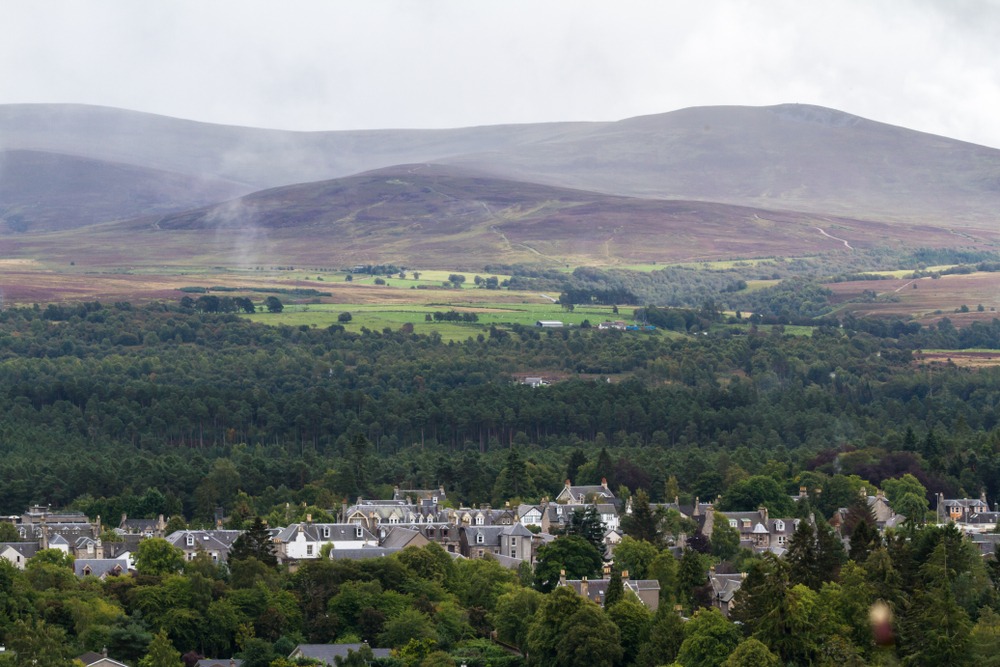
Around majestic, steep mountains, carved by glaciers and volcanic eruptions, lies Glencoe village, dotted along the shores of Loch Leven. Despite its modest size, it boasts a wide range of accommodations, restaurants, cafés, petrol stations, shops, and post offices. There's also a small museum and, around Glencoe Lochan, several gentle walking trails.
Just 2 km from the village stands the Glencoe Visitor Center, housing a shop and information hub. You can also start a gentle woodland walk behind the centre, where views are simply magnificent.
High in the Glencoe hills lies the Glencoe Lochan Trail, an unmissable hiking circuit. Following this route offers the chance to appreciate stunning views across the small loch. Many picnic areas have been set up along the route.
Approaching Glencoe from the east, you'll be struck by the Black Rock Cottage, a brilliantly white mountain refuge. The contrast against the dark mountains in the background is striking.
Exploring Glencoe Valley in Greater Detail
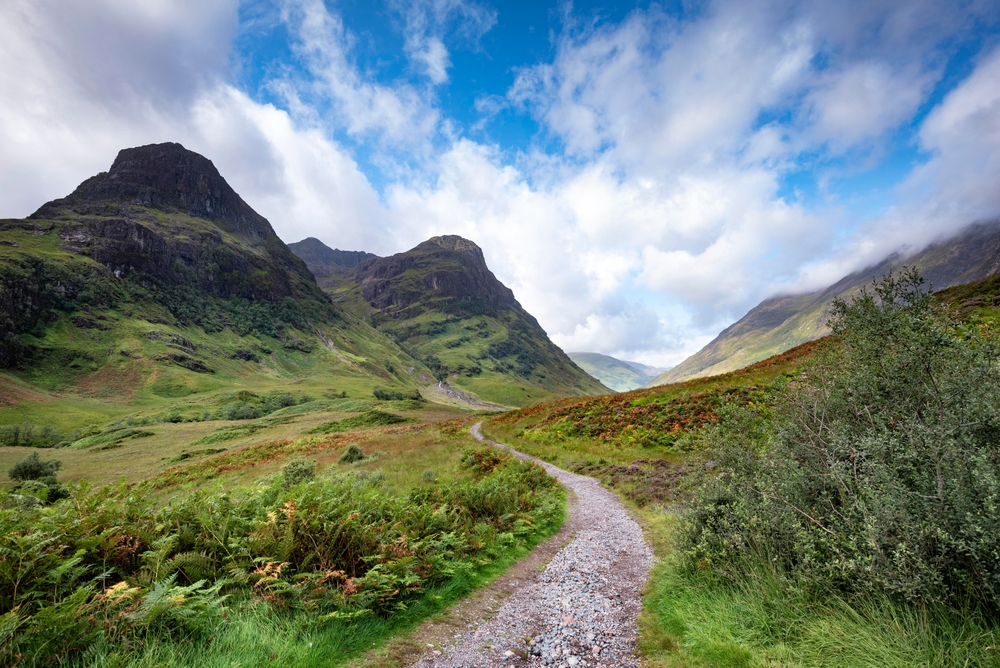
Wild and pastoral, with its mountains and verdant moorlands, Glencoe valley is one of Écosse's finest destinations. Beyond its breathtaking scenery, it's crossed by numerous hiking trails.
Despite its turbulent past, Glencoe is considered the "mecca" of hiking and climbing in Écosse. The valley is indeed traversed by many celebrated trails, such as Pap of Glencoe and The Lost Valley, a glacial valley.
Glencoe's landscapes alternate between mountain massifs, lochs, and picturesque villages like Kinlochleven, a gathering place for hikers. The ideal time is in light mist—when the atmosphere turns genuinely "spectral."
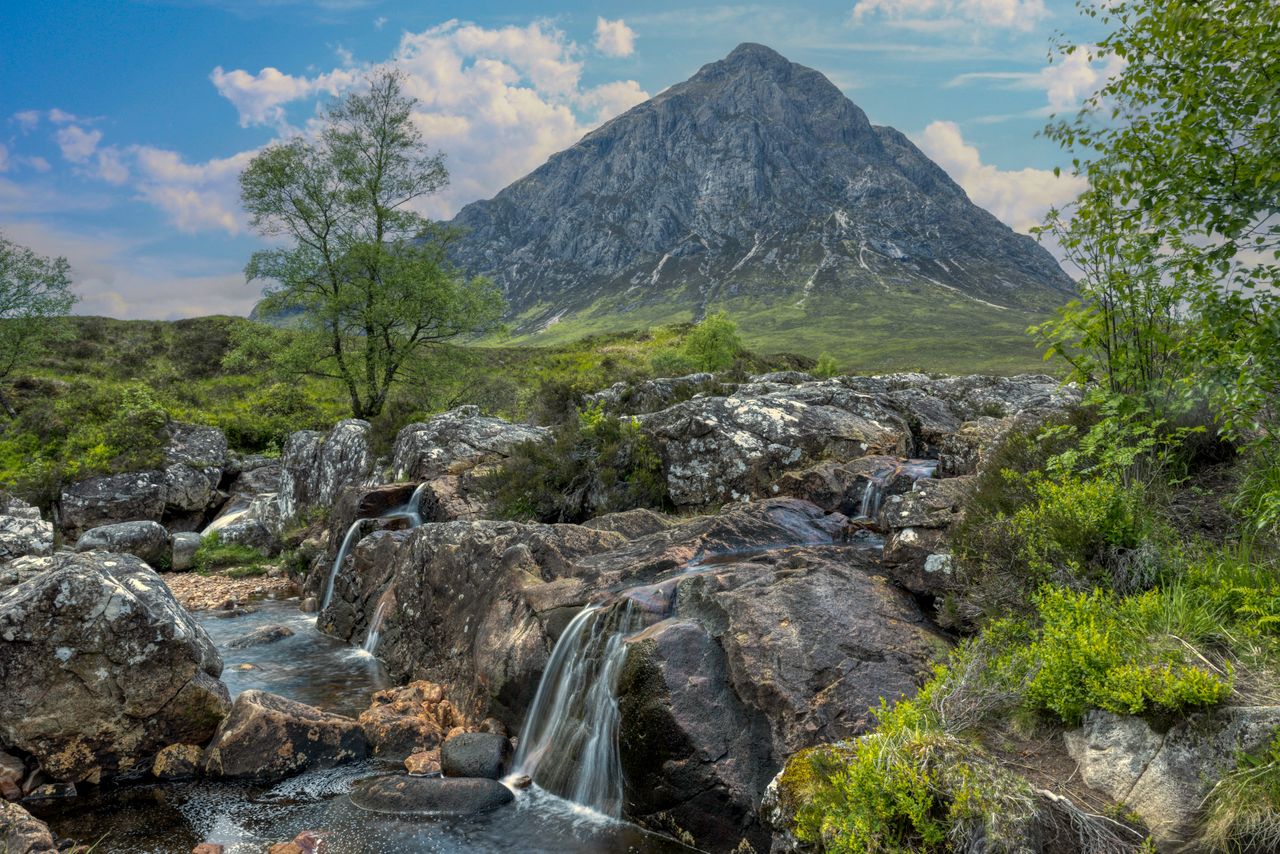
Glencoe valley is among Écosse's most famous valleys. It offers incredible landscape diversity. Upon entering the valley, traversed by the River Coe, your first sight is the imposing Buachaille Etive Mor summit, dominating the vast Rannoch Moor. After this unforgettable vista, you descend gradually into the glen. Much of the valley falls under National Trust of Scotland stewardship.
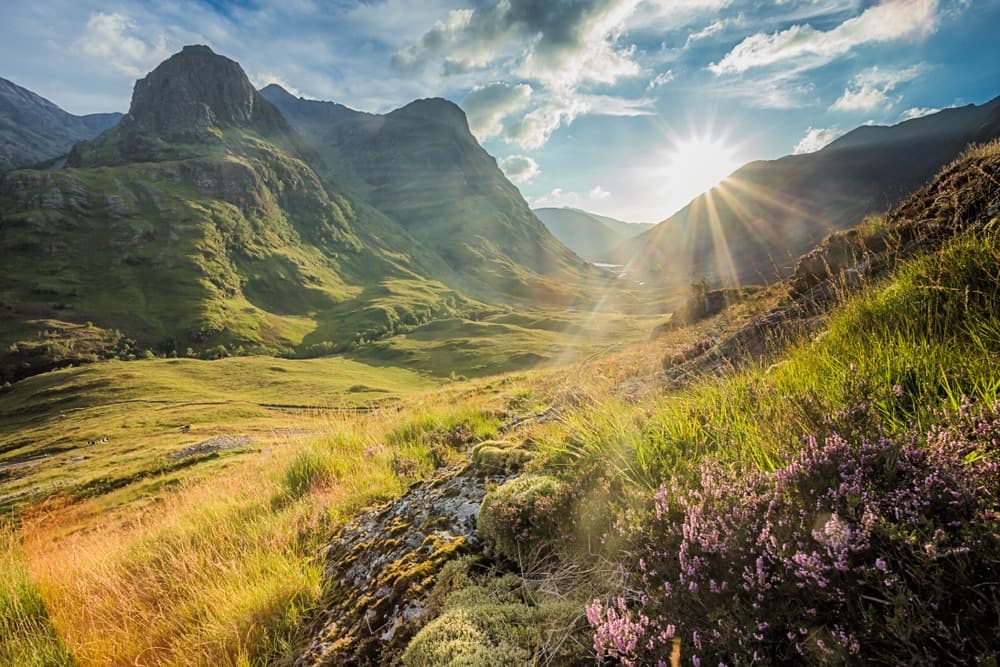
Glencoe valley is studded with summits sporting steep flanks on both sides. North of the valley rises the Aonach Eagach ridge, a razor-sharp blade. The southern side is dominated by a succession of remarkable mountains commanding the horizon.
After the "big" Buachaille comes the "little" Buachaille Etive Beag, then the Three Sisters of Glen Coe. But before reaching Buachaille, you pass the White Corries ski area, overlooking the moor. Just a short distance further lies Glencoe, dominated by the Pap of Glencoe.
The A82 road, winding through Glencoe Valley, showcases all the grandeur of the Highlands. Traveling this splendid route, you gaze upon towering, rugged peaks, isolated lochs, and pure landscapes. The oppressive atmosphere and unforgettable views at each turn make this valley truly magical.
Climate
Glencoe enjoys an oceanic climate, with generally warm summers and extremely cold, snowy winters. On average, July is the warmest month, while January is the coldest. The year-round average temperature stands at 7.5°C.
Rainfall is distributed fairly evenly throughout the year. February is the driest month, while September sees the most rainfall.
By Car
The road to Glencoe is among Écosse's most spectacular (A82). The northern route crosses the valley, while the southern route passes through Fort William.
Allow approximately 2 hours from Glasgow, and half an hour to reach Fort William.
By Bus
Regular bus services run from Glasgow (CityLink) and Fort William.
The journey from Glasgow to Glencoe takes about 2 hours.
By Train
Alternatively, take the train from Glasgow Queen Street to Fort William or Bridge of Orchy, then complete the journey to Glencoe by bus.
A local train service also runs from the north via Mallaig to Fort William, or during peak season, opt for the Jacobite steam train.
By Plane
Regular flights depart from Glasgow or Inverness airports to Glencoe.
Want to discover this destination?
Our local advisors design your tailor-made trip.