Edinburgh
Edinburgh
From its volcanic castle to the Royal Yacht Britannia, via the underground passages of Mary King's Close and August festivals, Edinburgh condenses centuries of Scottish history.
Nestled in the heart of volcanic hills, Edinburgh brims with attractions to captivate its visitors. Scotland's capital encompasses a medieval historic centre and an elegant Georgian "new town," adorned with gardens and Gothic buildings.
Visiting Edinburgh means immersing yourself in a city steeped in history, culture, and fascinating myths. Divided into two distinct quarters—Old Town (medieval city) and New Town (modern city)—Edinburgh offers the opportunity to explore two different worlds. Discover one of Scotland's most beautiful destinations.
A Journey Through Edinburgh's History
Edinburgh, capital of Scotland and seat of the Scottish Parliament, is undeniably one of the United Kingdom's most popular cities. The earliest urban settlements date back to the 7th century AD. The city's modern development began in the 15th century. It was chosen as Scotland's capital in 1437.
Its location on the estuary of the River Forth greatly contributed to the development of the port and opening to commercial trade (18th century). However, Edinburgh owes much of its development to the steel and shipbuilding industries—a direct consequence of the English industrial revolution.
During this period, Edinburgh's population grew suddenly. Furthermore, a New Town emerged alongside the old historic core (Old Town).
Edinburgh Today
Edge along Scotland's eastern coast, Edinburgh is waiting to be explored. From vaults and narrow lanes winding through the old town to new neighbourhoods like Cramond and Stockbridge, Edinburgh brims with haunted and fascinating places, revealing unexpected vistas. As you wander, you discover verdant hills bathed in sunlight, reddish rock formations, and the deep blue sea in the distance.
Edinburgh is rather picturesque and remains, at the same time, very touristy. Split in two by Princes Street Gardens, the city presents a dual character.
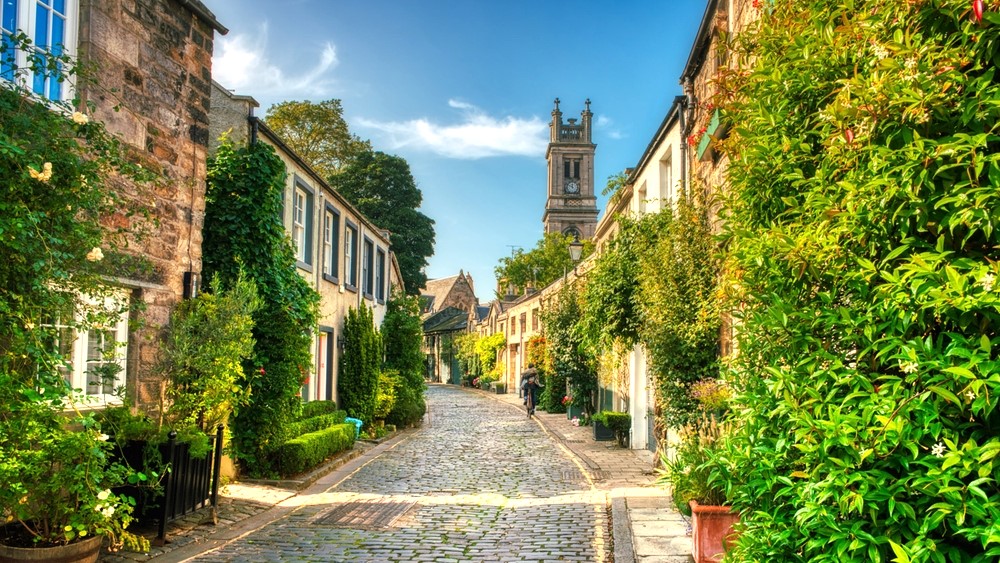
To the south, the "Old Town" seduces with its perfectly preserved medieval character. It is a cluster of cobbled lanes where, on one side, you glimpse its impressive castle and on the other, the "Royal Mile," the royal Holyrood Palace, or Arthur's Seat.
North of Princes Street Gardens lies the "New Town," originally built to solve overpopulation. Following Enlightenment thinking, the new quarter's architecture was conceived rationally. Consequently, it is quite straight and orderly.
Edinburgh's charm ultimately lies in its numerous festivals, organized both summer and winter. You can visit year-round simply to soak in the unique atmosphere of its lively pubs or discover its elegant shops, underground city, gastronomy, and medieval castles.
Edinburgh: A City of Many Facets
With approximately 500,000 inhabitants, Edinburgh is today an important economic and cultural hub. The city abounds with interesting sites, several of which are listed as UNESCO World Heritage. Take advantage of this Edinburgh escape to taste its unique gastronomy, where tradition blends with more contemporary and eclectic cuisine.
Edinburgh Castle
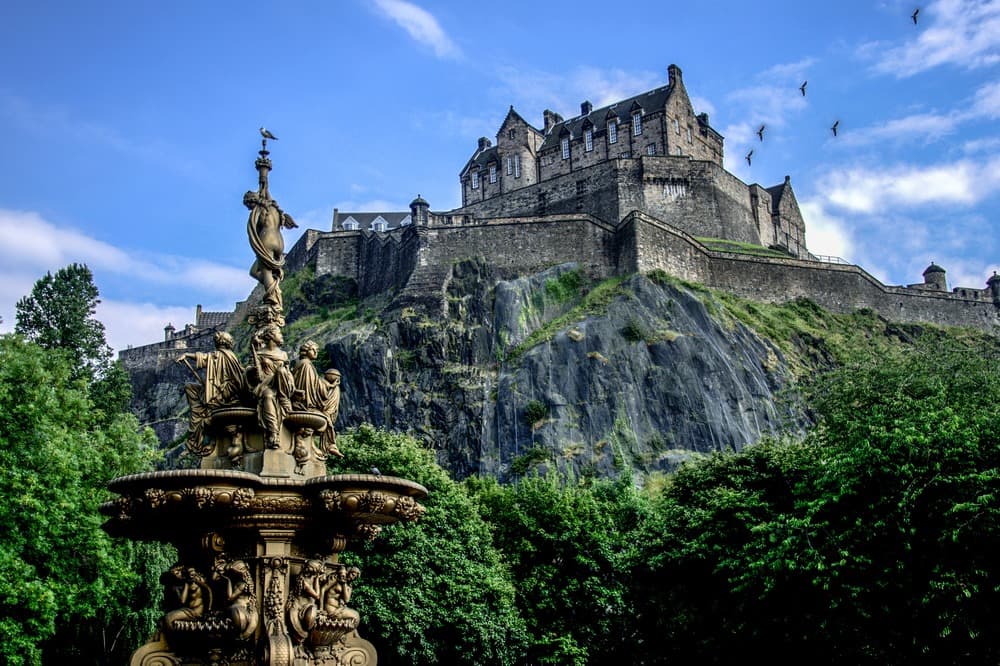
The first thing to do in Edinburgh is visit its famous castle. Perched high on the steep Castle Rock hill, Edinburgh Castle remains unmissable. Within its blackened stone walls are hidden the jewels and regalia of the Scottish crown, also called the "Honours of Scotland," and historical paintings.
You'll also find the apartments of Queen Mary I of Scotland, the Great Hall, and the Mons Meg, a massive siege cannon dating from the 15th century, built in Mons in 1449. From the castle's crenellated ramparts, you enjoy a panoramic view of the Firth of Forth estuary and the New Town quarter.
The Royal Mile and Princes Street
Visiting Edinburgh without taking a stroll along the Royal Mile would be like going to Paris without stopping at the Champs-Élysées. This main artery consists of several picturesque streets, crossing the old town of Edinburgh.
Visiting Some Museums
Edinburgh is home to numerous museums and galleries, among the most famous being the National Museum of Scotland, the "Museum on the Mound," or the Portrait Gallery. Don't miss the Scottish National Gallery of Modern Art, spread across two impressive neoclassical buildings, and the vast whisky collection at the whisky museum, precisely called "The Scotch Whisky Experience," located near the castle. A tasting is included in the visit.
The Underground Passages and Vaults of Edinburgh
Another key attraction in Edinburgh is exploring its underground vaults, built beneath the City Chambers (Town Hall). Today, this complex is nicknamed Mary King's Close, a maze of lanes and original structures dating from the 17th century. From the grand avenues of "Royal Mile" to small, dark, and haunted alleyways, you discover the city in an unconventional way.
The Palace of Holyrood
Continue your discovery of Edinburgh with the Palace of Holyrood, which was originally a monastery of the Order of Saint Augustine built in the 12th century by King of Scotland David I. Indeed, a myth is closely tied to the construction of this abbey. Since the 15th century, this palace served as the principal residence of Scottish kings and queens, including Queen Elizabeth II when in Scotland.
The palace is open to the public, especially when the Queen does not reside there. A true jewel of classical architecture, it houses magnificent ceremonial halls decorated in baroque style and royal apartments. The oldest part of the palace is the Tower, where Mary Stuart's apartments were located. The Scottish Parliament is situated opposite the palace.
The Scottish Parliament
The Scottish Parliament building, erected on the site of a former brewery, opened in October 2005. Designed by Catalan architect Enric Miralles, the complex's layout symbolizes a flower of democracy deeply rooted in Scotland. During your visit, you discover the hemicycle, the committee room, a Scottish Parliament member's office, and the Garden Lobby.
A Scottish Whisky Tasting
Your visit to Edinburgh is not complete without tasting the famous Scottish whisky, particularly at the Scotch Whisky Experience. This museum, dedicated to the history and production of whisky, is located on the Royal Mile.
In the Footsteps of Great Writers
Edinburgh, designated a UNESCO World Heritage site since 1995, abounds with monuments dedicated to writers. You can read old manuscripts by Walter Scott or Robert Louis Stevenson at the Writers' Museum. And above all, don't miss enjoying afternoon tea at the Elephant House, a place particularly favoured by JK Rowling, the famous author of the Harry Potter books.
Scottish Festivals
After this literary interlude, immerse yourself in the festive atmosphere of various festivals happening throughout the year in Edinburgh. Science festival, tattoo festival, international film festival (every June), music festival… there's something for everyone.
Princes Street Gardens
Wish to rejuvenate in nature? The magnificent Princes Street Gardens, located in a beautiful valley, are waiting for you! The gardens are divided in the middle by The Mound, a "hill" formed by two million cartloads of earth.
In the western zone of the gardens stands Ross Bandstand, a venue hosting open-air concerts in summer. Just beside The Mound is the Floral Clock, a functioning floral clock. Created in 1903, it is the world's oldest such clock.
Arthur's Seat or "Arthur's Throne"
Be sure to climb to the summit of "Arthur's Seat," situated at the peak of an extinct volcano. Beyond the magnificent city views, you'll admire Fife County.
Royal Yacht Britannia
End your tour north of the city centre, on the coast, where the Royal Yacht Britannia awaits. It is one of the world's most famous ships and the last royal yacht of Britain to serve (from 1953 to 1997).
Climate
Under oceanic influence, Edinburgh enjoys a cool and humid climate, but also cloudy and rainy. Winters are cold, though not bitterly so, while summers are pleasantly cool. Wind often blows, especially in autumn and winter. In January, Edinburgh shows an average temperature of 4°C. In July and August, it is 15°C. As for rainfall, it is frequent and moderate (approximately 700 millimetres annually). This is explained by the city's location on Scotland's east coast.
By Plane
Airlines such as Transavia and Easyjet allow you to connect Edinburgh and Paris. By booking in advance, you can benefit from return flights at reduced prices, around 60 euros.
By Train
To get there by train from France, the journey will be quite long. No direct train connects Paris to Edinburgh. However, services depart from Paris Nord, arriving at Edinburgh via London Kings Cross. The journey, including connections, takes approximately 7 hours and 13 minutes.
By Boat
If you have time, travelling by boat can be charming. However, no ferry directly connects France and Scotland. You'll need to cross England. Three options are available:
- Travel by boat from France to southern England, then cross England by car.
- Go to Belgium, then take a boat to Hull (located in northeast England).
- Go to Belgium, then board a ferry. It will take you to Scotland.
By Bus
No bus directly connects Paris to Edinburgh. However, there are services departing from Paris, Gallieni for Edinburgh. The bus is boarded at LONDON VICTORIA Coach Station. The journey, including connections, takes approximately 19 hours and 35 minutes.
Attractions in Edinburgh
See all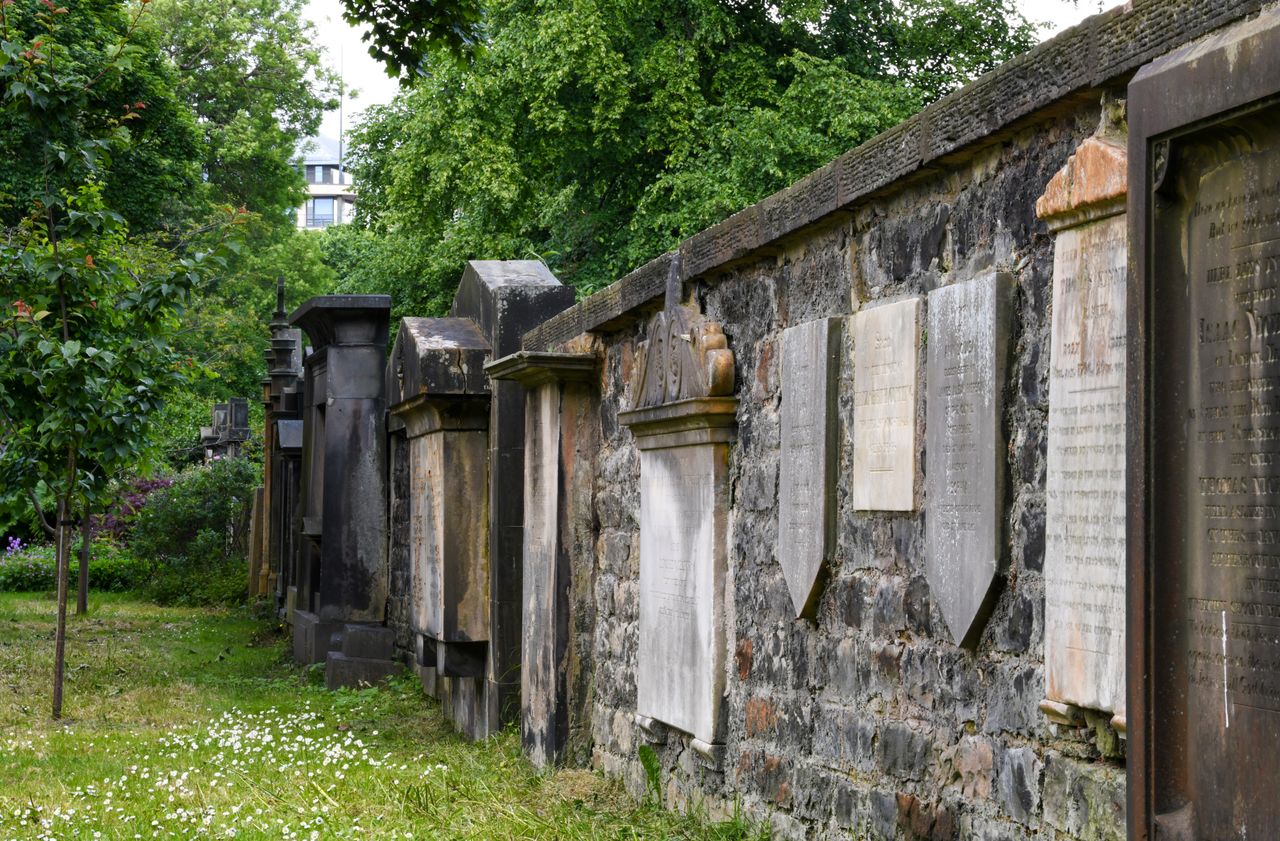
Greyfriars Kirkyard
Greyfriars Kirkyard est un cimetière historique du cœur d'Édimbourg, adossé à l'église Greyfriars Kirk dans le quartier de Old Town. Fondé au XVIe siècle, il abrite les tombes de figures majeures
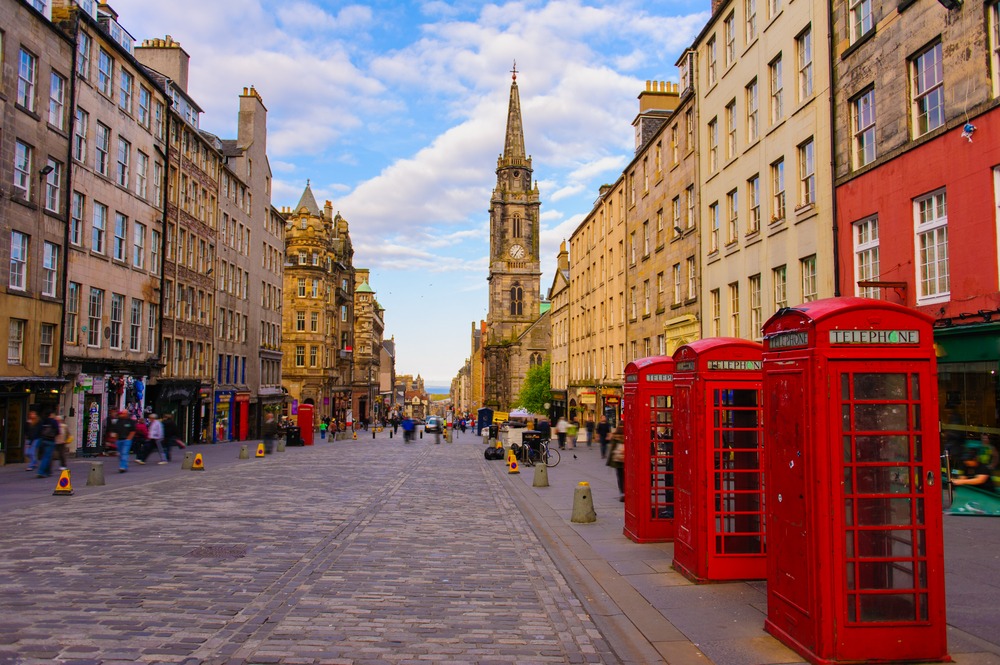
Le Royal Mile (Édimbourg)
Le Royal Mile désigne l'artère principale de la vieille ville d'Édimbourg, longue d'environ 1,8 km. Elle relie le château perché sur son rocher volcanique au palais d'Holyroodhouse
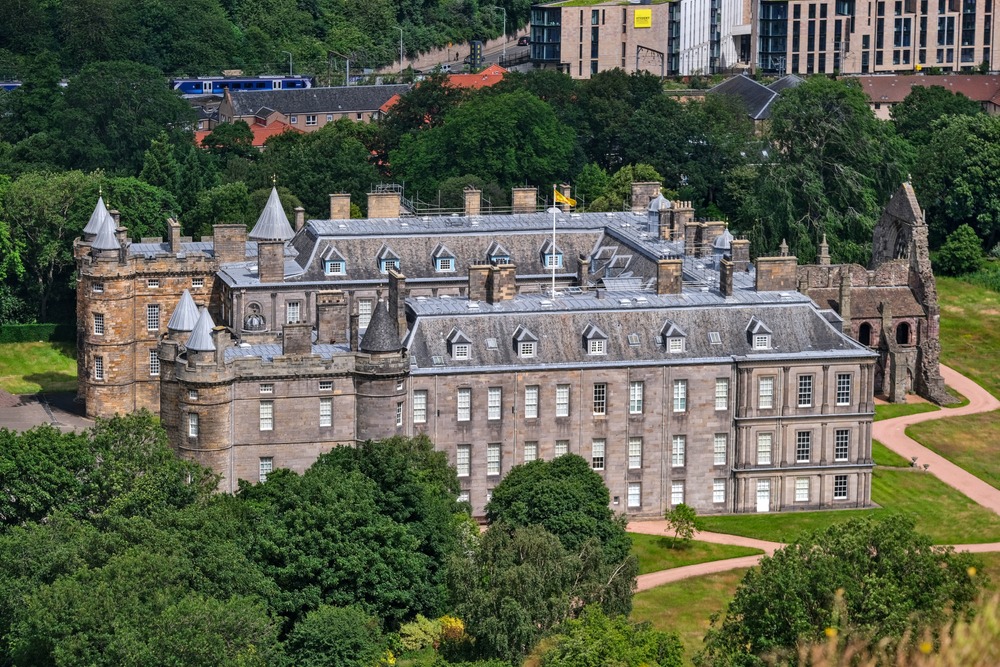
Le palais d’Holyrood
Le palais d'Holyrood, ou palais de Holyroodhouse, est la résidence officielle des souverains britanniques lors de leurs séjours en Écosse.
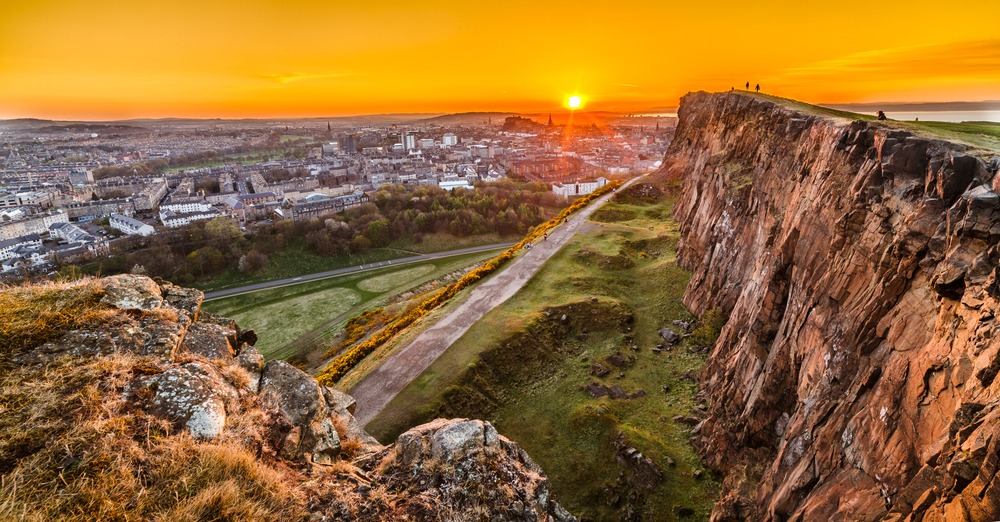
Arthur's Seat
Arthur's Seat domine Édimbourg depuis Holyrood Park, à l'est du centre historique. Ce volcan éteint depuis plus de 350 millions d'années culmine à 251 mètres et offre un panorama à 360°
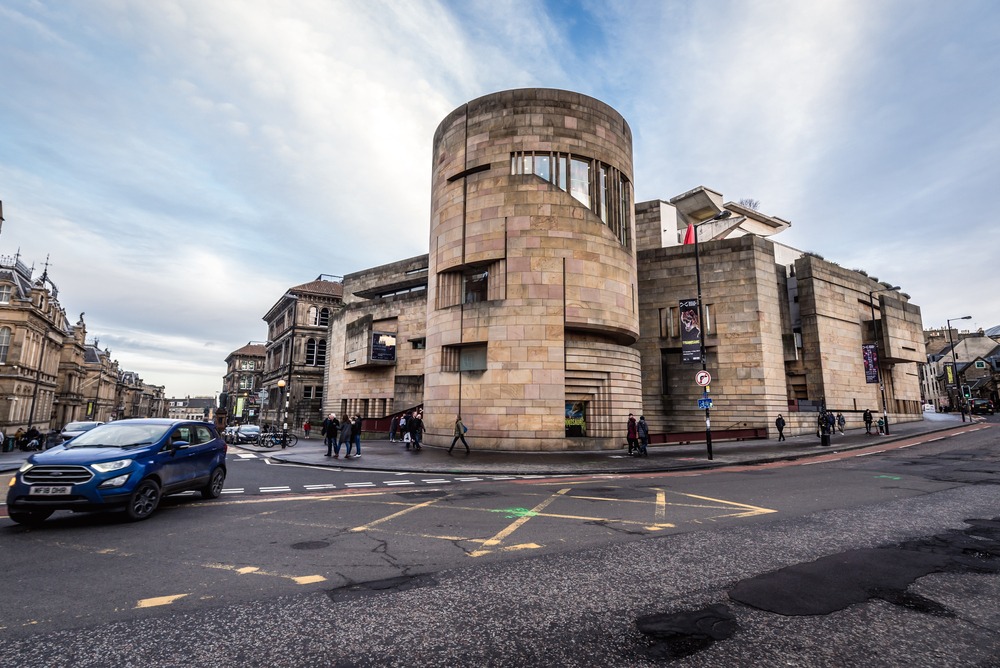
Le Musée national d'Écosse
Le Musée national d'Écosse (National Museum of Scotland) occupe deux bâtiments contigus sur Chambers Street, dans la vieille-ville d'Édimbourg.
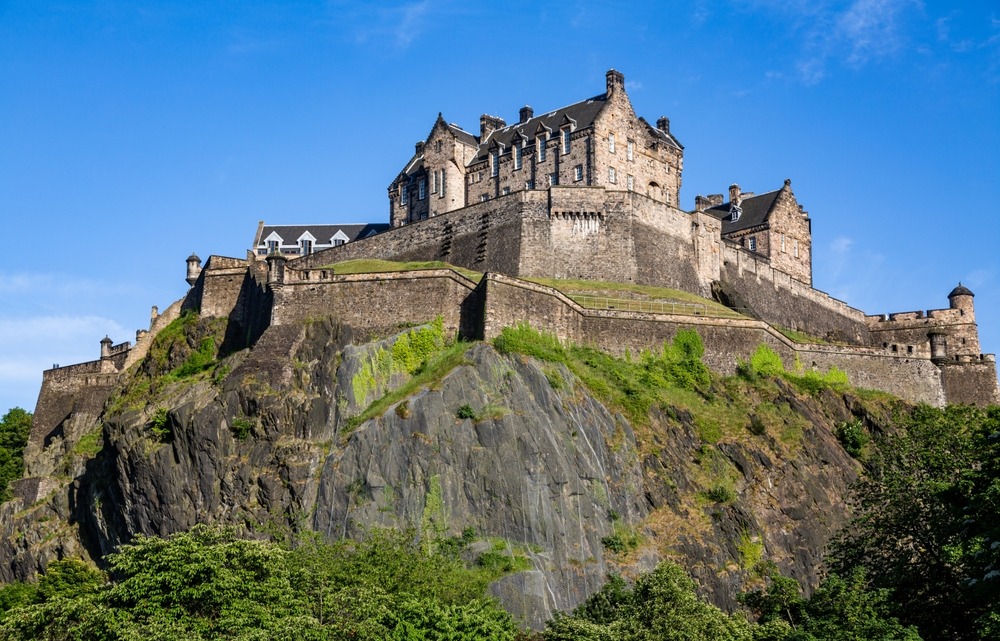
Le château d’Edinburgh
Perché sur le Castle Rock, un piton volcanique vieux d'environ 350 millions d'années, le château d'Édimbourg domine la capitale écossaise.
Want to discover this destination?
Our local advisors design your tailor-made trip.