Loch Lomond and The Trossachs National Park
Loch Lomond and The Trossachs National Park
North of Glasgow, Scotland's first national park stretches across deep lochs, rugged peaks and stone-built villages. Complete guide to preparing your visit.
Scotland's very first national park, Loch Lomond and The Trossachs National Park, lies just north of the Glasgow conurbation. Sprawling across the meeting point between the Highlands and Lowlands, it unfolds landscapes of striking contrast, with verdant slopes in the south and rocky mountains in the north. It's an escape destination cherished equally by locals and visitors alike. The proof lies in its numbers: it welcomed 2.9 million visitors in 2017.
A protected zone centred on Britain's largest freshwater lake and the Trossachs region
Occupying much of the western portion of the Southern Highlands, this vast park encompasses Loch Lomond, Britain's largest lake by surface area, and the Trossachs, a mountainous wooded region dotted with glens and lochs. Loch Lomond stands apart for harbouring several islands, notably Inchmurrin, the largest freshwater island in the British Isles; meanwhile, the Trossachs captivate with their striking representation of Highland landscape.
Diverse habitats compose Loch Lomond and The Trossachs National Park. Thirty percent of its area is forested, comprising 22.5% coniferous plantations and 7.5% native woodlands (Atlantic oakwoods, Caledonian pinewoods and temperate rainforests). The remainder is occupied by moorland, blanket bog and willow scrub.
Within these habitats thrive numerous animal species, including over 200 bird species and mammals such as red deer, red squirrels and beavers. The park's many lochs—numbering 22—along with 50 rivers that traverse it, are home to salmon, trout, arctic char and lampreys, among other fish.
The park borders the sea for approximately 63 km. Three sea lochs—Loch Long, Loch Goil and Holy Loch—share its coastline, characterised chiefly by rocky shores, cliffs and areas of salt marsh and mudflat. Waders and numerous seabirds have made their home here.
A brief history
This park emerged from Scotland's lack of wilderness, a consequence of centuries of human activity including agriculture, deforestation and overgrazing. In 1945, a committee proposed five national park zones, among them Loch Lomond and the Trossachs. These gained "National Park Direction" status after World War II but were not recognised as full national parks. In 1990, recommendations resurfaced to designate four areas as national parks, again including Loch Lomond and the Trossachs. Yet no action was taken until the Scottish Parliament was established in 1999. In 2000, this institution passed national park legislation, and the park officially came into being on 1 July 2002.
Visiting Loch Lomond and The Trossachs National Park
Begin your visit at the park's visitor centre, Loch Lomond Shores, located at the southern tip of Loch Lomond. It provides park information and houses shops, restaurants and an aquarium.
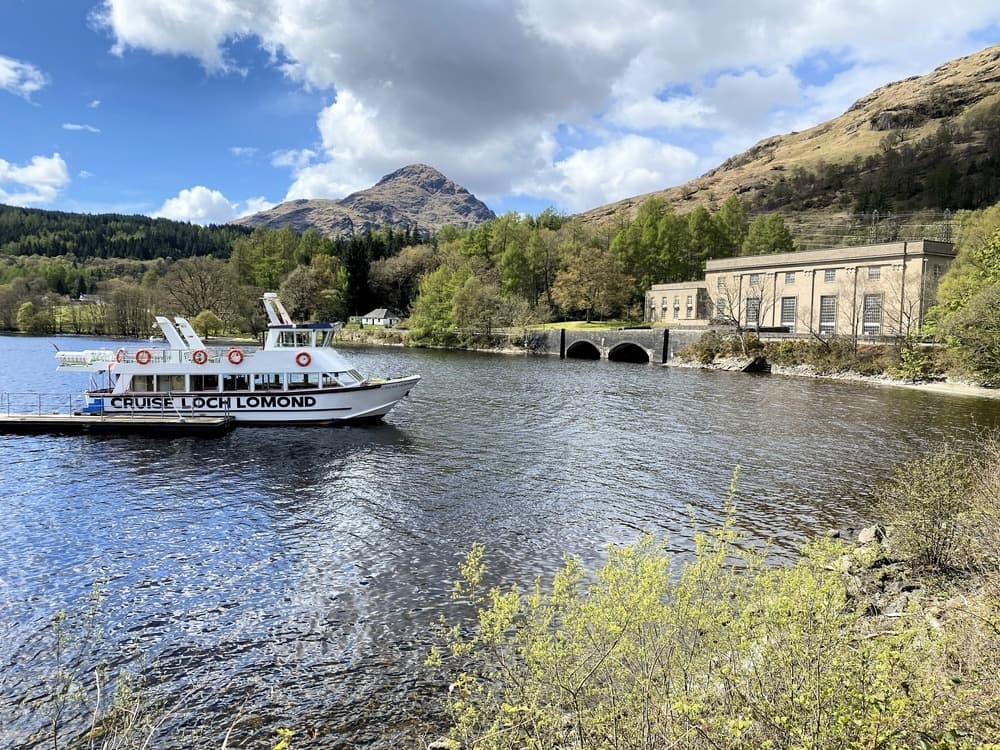
The protected zone offers numerous water activities including kayaking, canoeing, paddleboarding, wakeboarding, water-skiing and wakesurfing, all practised on Loch Lomond. Ranked among Scotland's premier sailing destinations, this lake also welcomes boat cruises. Departures begin at Tarbet, Inversnaid, Luss or Rowardennan. Keen to experience a voyage aboard a historic vessel? Board the SS Sir Walter Scott (launched in 1899), which explores the waters of Loch Katrine in the Trossachs.
Traversed by countless trails, the park is a true paradise for hiking enthusiasts. Routes vary in difficulty, from easy family walks to more demanding climbs leading to the park's highest peaks, such as Ben Lomond in Dunbartonshire and the Cobbler in the Arrochar Alps. Scotland's first officially designated long-distance walking route awaits discovery here: the West Highland Way. This path follows the eastern shore of Loch Lomond and passes near the village of Crianlarich.
Beyond water activities and hiking, numerous other pursuits await. These include wildlife watching, fishing, horse riding or cycling, climbing and even golf.
Among the park's most celebrated attractions are the Dochart Falls, which seduce with their beauty, especially after heavy rain; the Rest and be Thankful viewpoint, perched at the summit of the A83 road and offering charming panoramas; and Inchcailloch island, where you can walk, picnic and swim.
Practical Information
When to visit?
The ideal season to explore Loch Lomond and The Trossachs National Park is summer, when numerous activities are available. Yet spring and autumn merit consideration. In spring, wildflowers bloom in profusion; in autumn, the landscape dons the magnificent colours characteristic of the season.
By car
From Glasgow, follow the A82 to reach the village of Balloch, situated at the foot of Loch Lomond. The journey takes approximately 40 minutes.
By train
Balloch, as well as other settlements within or near the park—such as Helensburgh, Garelochhead, Arrochar & Tarbet, Ardlui, Crianlarich and Tyndrum—are accessible by train from Glasgow. The train journey to Balloch takes approximately 50 minutes.
By bus
Also from Glasgow, take one of the Citylink buses to reach any of the villages located within or near the park.
Attractions in Loch Lomond and The Trossachs National Park
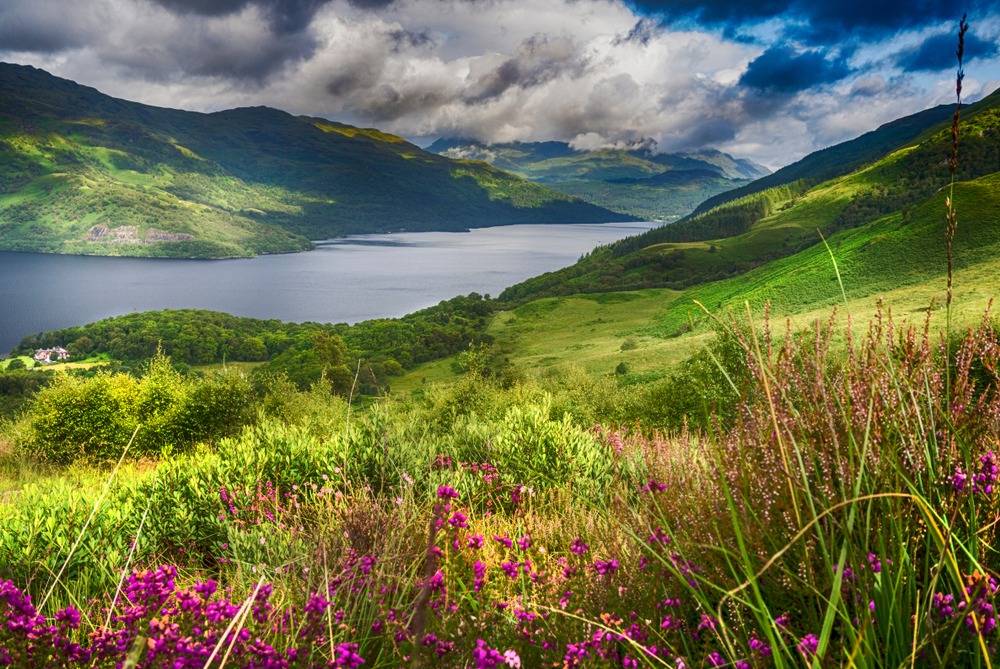
Le Loch Lomond
Le Loch Lomond s'étire sur près de 37 km au sud-ouest des Highlands, à une trentaine de kilomètres de Glasgow. Plus vaste loch de Grande-Bretagne en superficie (71 km²), il marque la limite géologique
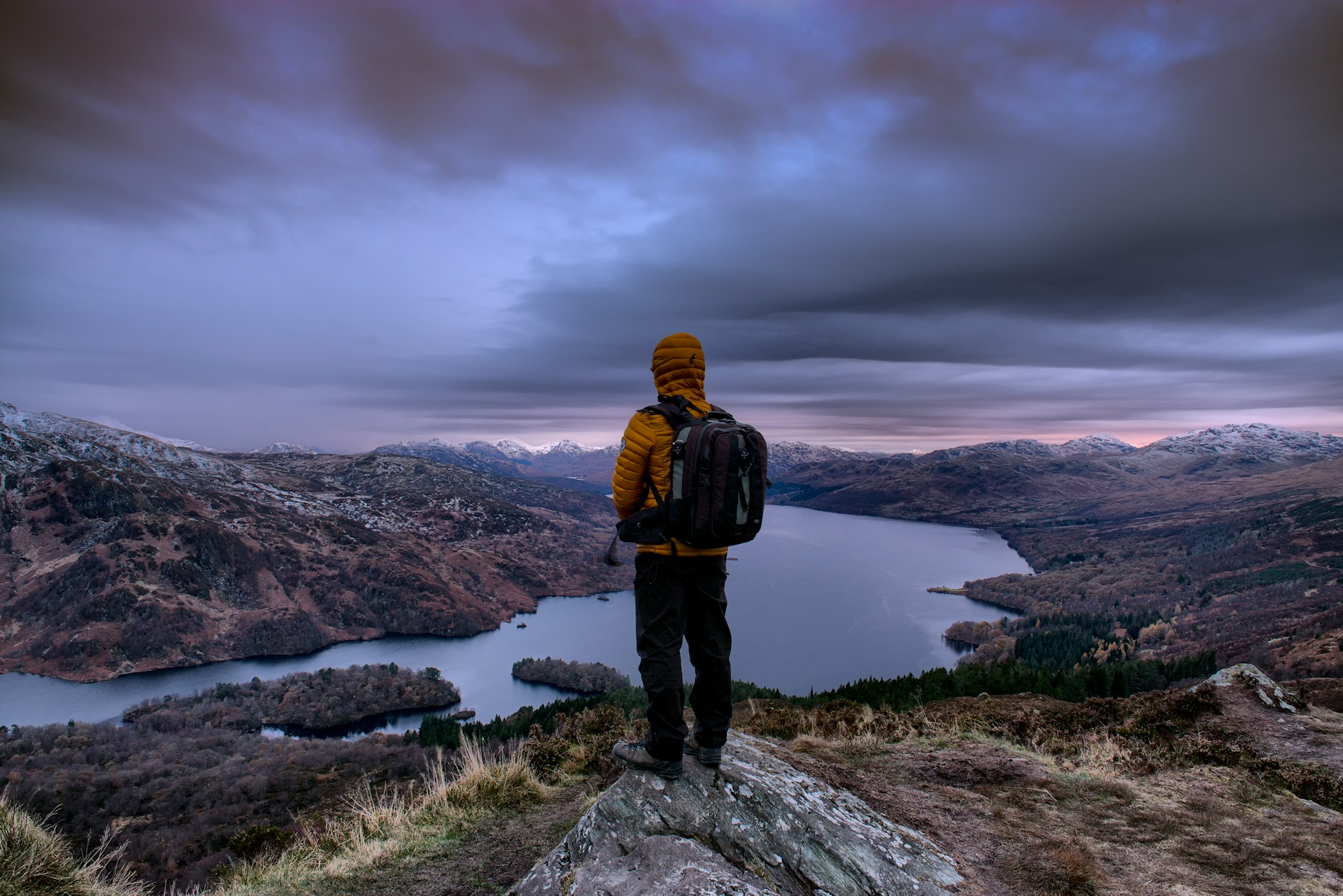
Ben Lomond
Ben Lomond est le sommet le plus méridional des Highlands écossais, culminant à 974 mètres au-dessus du Loch Lomond. Classé Munro, il attire randonneurs débutants et confirmés
Want to discover this destination?
Our local advisors design your tailor-made trip.