North Coast 500
North Coast 500
The North Coast 500 loops 500 miles around northern Scotland from Inverness, winding through cliffs, lochs and remote villages. Plan your road trip over 5 to 10 days depending on your pace.
The North Coast 500 is a scenic driving route of approximately 500 miles that loops around northern Scotland from Inverness. Jagged coastlines, deep lochs, ruined castles and isolated fishing villages unfold along a road with minimal traffic. It ranks among Europe's great road trips, accessible by car, motorcycle or bicycle at your own pace.
Quick Facts
- Start/End point: Inverness Castle — the loop can be done in either direction.
- Total distance: approximately 500 miles (800 km) for the complete loop.
- Recommended duration: 5 to 7 days minimum to enjoy detours; 10 days for a comfortable pace.
- Access: Inverness is connected by train from Edinburgh and Glasgow, and by direct flights from several UK cities.
- Best season: May to September for long daylight hours; July-August busier.
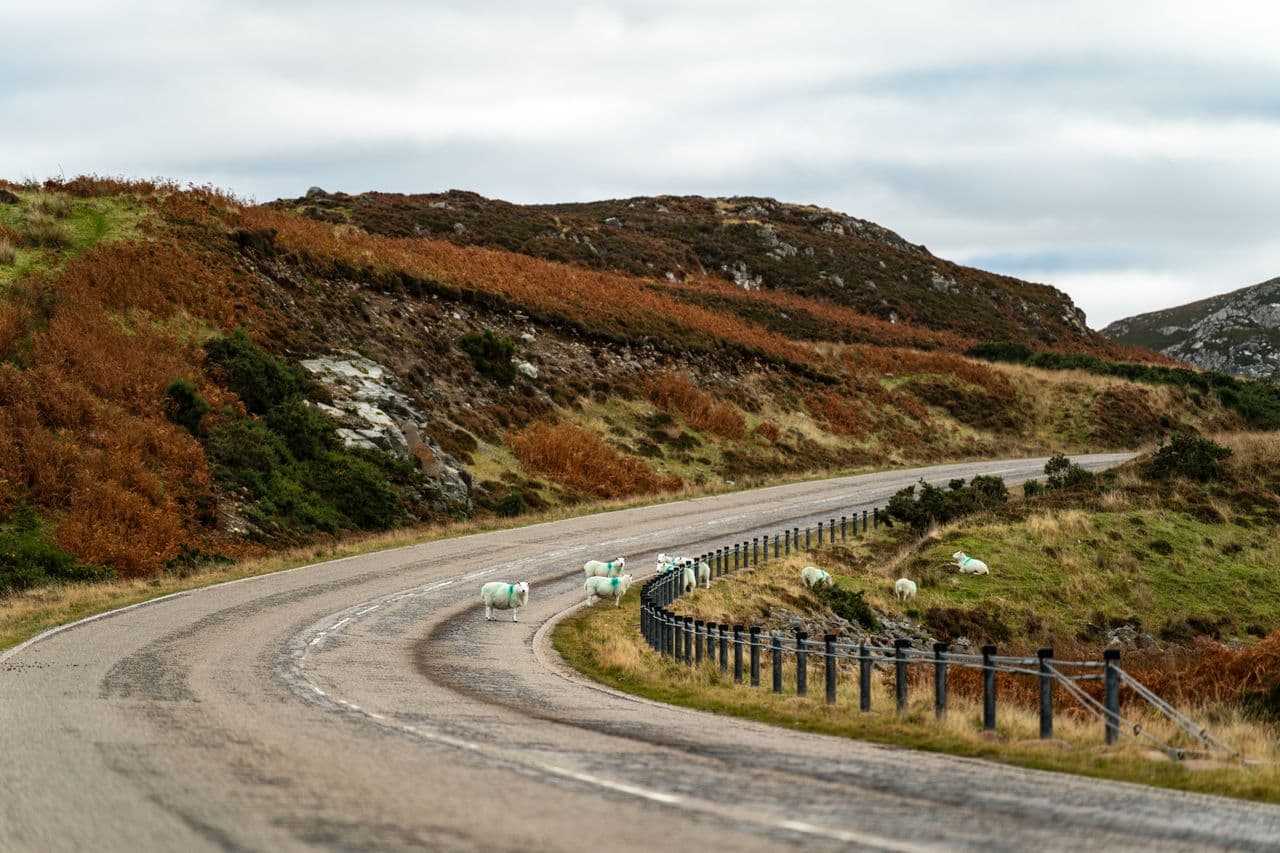
- Single-track roads: numerous along the north-west coast — passing places are mandatory.
- Accommodation: book ahead during high season; availability is limited in remote areas.
What You'll Discover
The route crosses dramatically different landscapes depending on the section. The east coast, between Inverness and Wick, is gentler, with low cliffs and barley fields. The north coast, from Thurso to Cape Wrath, features windswept cliffs and virtually deserted white-sand beaches. The west coast, from Durness to Applecross, is the most spectacular: fjords, red-sandstone mountains and isolated villages.
History and Context
The route was officially launched in 2015 by the North Highland Initiative to boost tourism in the North Highlands. The name draws inspiration from America's Route 66. Before that, these roads existed for decades but remained little-traveled. The region's history is marked by the Clearances of the 18th and 19th centuries, when thousands of Gaelic families were evicted from their lands.
Must-See Highlights
Cape Wrath
The north-western tip of mainland Britain. Access is only by ferry across the Kyle of Durness, then minibus—there is no direct road. The Clo Mor cliffs, among Britain's highest, tower above often turbulent seas.
Bealach na Bà
The mountain road climbing toward Applecross is one of the UK's steepest, with tight hairpins and views of Skye and the islands on clear days. Not recommended for motorhomes and caravans.
Smoo Cave, Durness
A limestone cave accessible on foot from the village of Durness. The outer chamber is freely visible; guided boat tours allow access to inner chambers with an underground waterfall.
Dunrobin Castle
On the east coast, this château-like castle is the historic seat of the Earls of Sutherland. It houses a museum and formal gardens, and remains one of the largest castles in the Highlands.
Beaches at Durness and Tongue
Balnakeil Bay near Durness and the beaches around Tongue offer white sand and turquoise water — a striking contrast to Scotland's typical image.
Photography Tips
Golden-hour light in the morning and evening extends remarkably under these latitudes—the sun sets after 10 p.m. in June. The western sections (Torridon, Applecross) offer the most dramatic reflections on the lochs. For Cape Wrath and Clo Mor cliffs, aim for a clear day without mist. Single-track roads allow easy stops, but park only in designated areas.
Location and Access
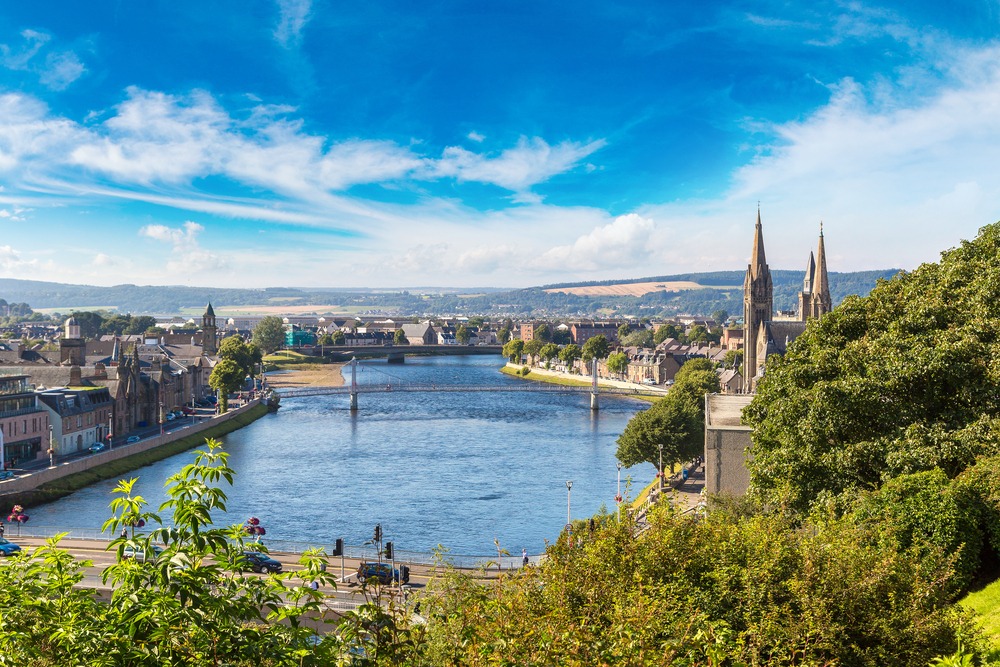
The loop departs from Inverness Castle and heads northward. Inverness is accessible by train from Edinburgh (approximately 3.5 hours) and Glasgow. Car rental is the most practical option; some operators offer organized tours from Inverness. The single-track roads of the west coast demand attentive driving and a compact vehicle is preferable.
Nearby Attractions
- Loch Ness — south of Inverness, the natural starting point before heading north on the loop.
- Dunrobin Castle — on the NC500's east coast at Golspie, the historic seat of the Earls of Sutherland.
- Smoo Cave — coastal cave at Durness, an essential stop on the north coast.
- Isle of Skye — accessible from the NC500's west coast via the Kyle of Lochalsh bridge.
- Torridon — red-sandstone massif among Europe's oldest, traversed on the loop's west coast.
Frequently asked questions
Five days is the minimum to complete the loop without stops. Seven to ten days allow you to enjoy detours, hikes and secondary sites at a relaxed pace.
May and June offer an excellent balance: very long days, green landscape, fewer crowds than July-August. September remains pleasant with autumn light. Winter is possible but some accommodations close and road conditions can be challenging.
Partially. The east coast and several northern sections are manageable. The Applecross road (Bealach na Bà) is officially not recommended for motorhomes and caravans due to its tight hairpins. Alternative routes exist.
Yes, especially between June and August. Accommodation is limited in remote areas like Durness, Tongue and Kinlochbervie. Wild camping is legal in Scotland under certain conditions, which expands your options.
Yes, but it's a serious physical challenge. Traffic is light on most sections, but single-track roads and the elevation gain of the west coast demand good fitness. Plan two to three weeks for the complete loop by bike.
Service stations are spaced out, particularly on the north-west coast. It's advisable to fill up whenever possible and avoid running low in the most remote areas.
Give it a go!
Our local experts arrange this activity for you.