Arran Heritage Museum
Arran Heritage Museum
Set in an 18th-century farmhouse in Brodick, the Arran Heritage Museum traces the human, agricultural and geological history of the Isle of Arran through permanent collections and open-air reconstructions.
The Arran Heritage Museum is located in Brodick, the main village on the Isle of Arran, on the west coast of Scotland. Housed in an old 18th-century farmhouse, it traces the human, geological and agricultural history of the island through permanent collections and open-air reconstructions. It's the natural starting point for understanding Arran before exploring its landscapes.
Quick practical guide
- Admission: charged (reduced rates available for children and seniors)
- Opening season: the museum opens mainly in spring and summer; check exact dates before your visit
- Recommended duration: 1.5 to 2 hours to explore the entire site
- Access: on foot or by bike from Brodick town centre, or by car with parking on site
- Accessibility: partial access — some outdoor areas may be difficult to navigate
What to see
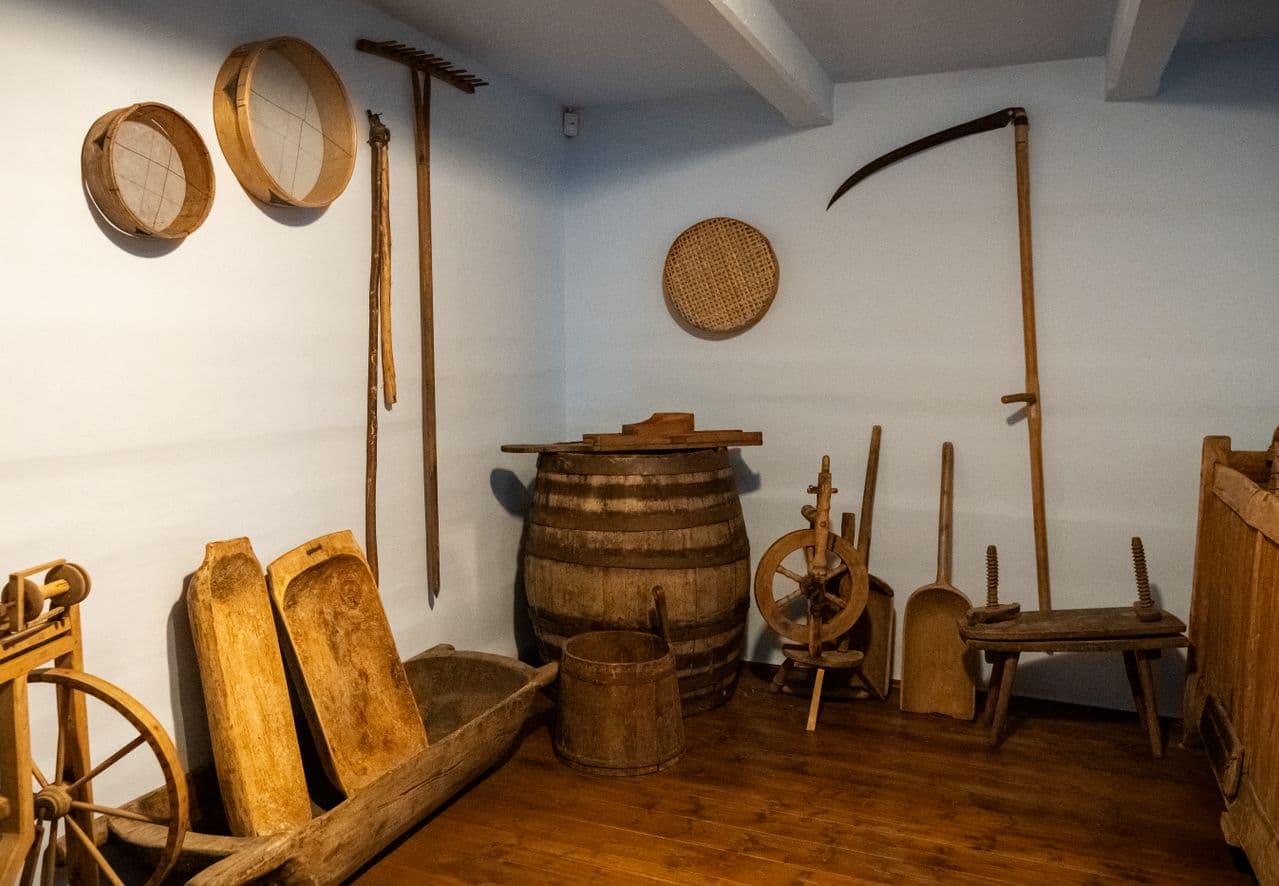
The museum spans several buildings and an outdoor space. You'll find a collection of old agricultural tools, recreated Victorian interiors, local fossils and minerals, as well as a section dedicated to the island's maritime history. A restored cottage gives a concrete sense of rural life on Arran in the 19th century.
History and context
Arran has been inhabited since the Neolithic period; the museum preserves archaeological traces of this. The island experienced successive waves of settlement — Picts, Vikings, Scottish clans — before coming under the dominion of the Dukes of Hamilton from the 17th century onwards. The farmhouse site itself dates from the 18th century and illustrates the rural economy that shaped the island until the 20th century.
Highlights of your visit
The restored Victorian cottage
The recreation of a 19th-century cottage interior is one of the museum's most evocative spaces. Furnishings, utensils and decoration immerse visitors in the everyday life of farming and fishing families who lived on the island.
The geological collection
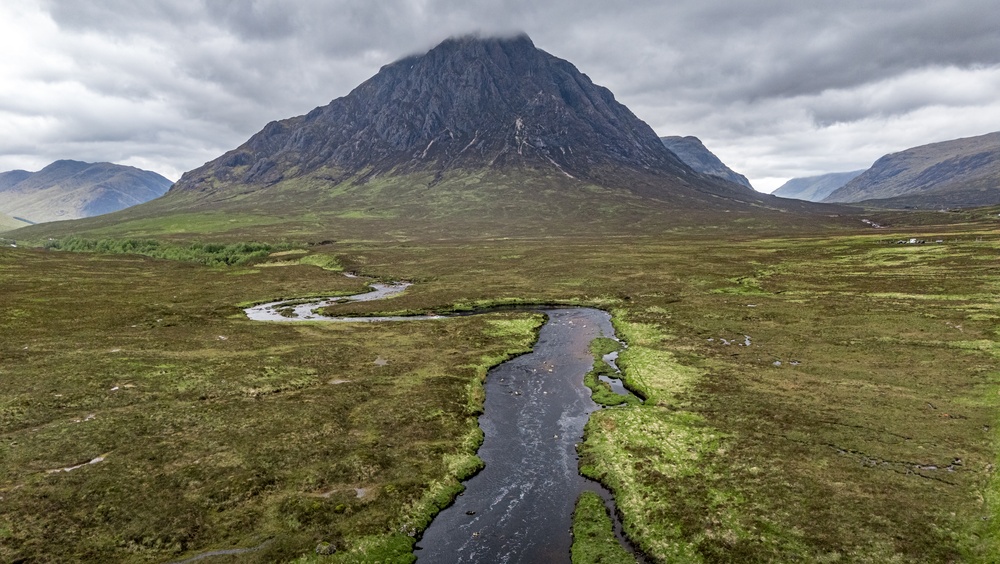
Arran is nicknamed "Scotland in miniature" for the diversity of its rocks. The museum displays fossils, minerals and geological maps that explain why the island attracts geologists from around the world.
Agricultural tools and machinery
The outdoor courtyard houses a collection of antique agricultural equipment — ploughs, carts, hand tools — illustrating the evolution of land work on the island between the 18th and 20th centuries.
Photography tips
Natural light in the outdoor courtyard is best mid-morning. The restored cottage works well for atmospheric indoor shots. Check with staff if any restrictions apply to certain collections.
Location and access
The museum is located on Brodick's main road, a few minutes' walk from the ferry terminal. The ferry from Ardrossan (mainland) serves Brodick regularly; the crossing takes approximately 55 minutes. Once on the island, the museum is accessible on foot from the port or by local bus.
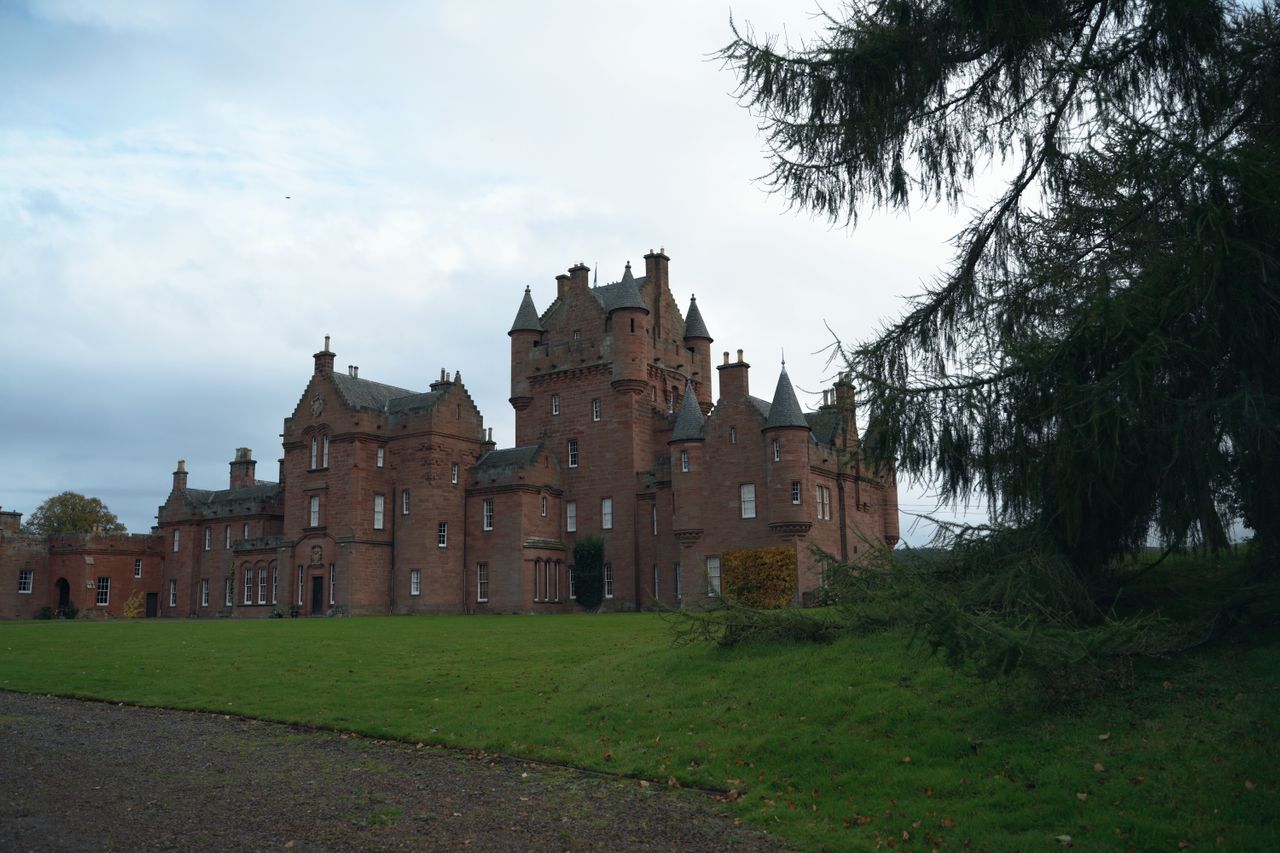
Nearby: Brodick Castle and its gardens, owned by the National Trust for Scotland, merit an additional half-day.
Surrounding area
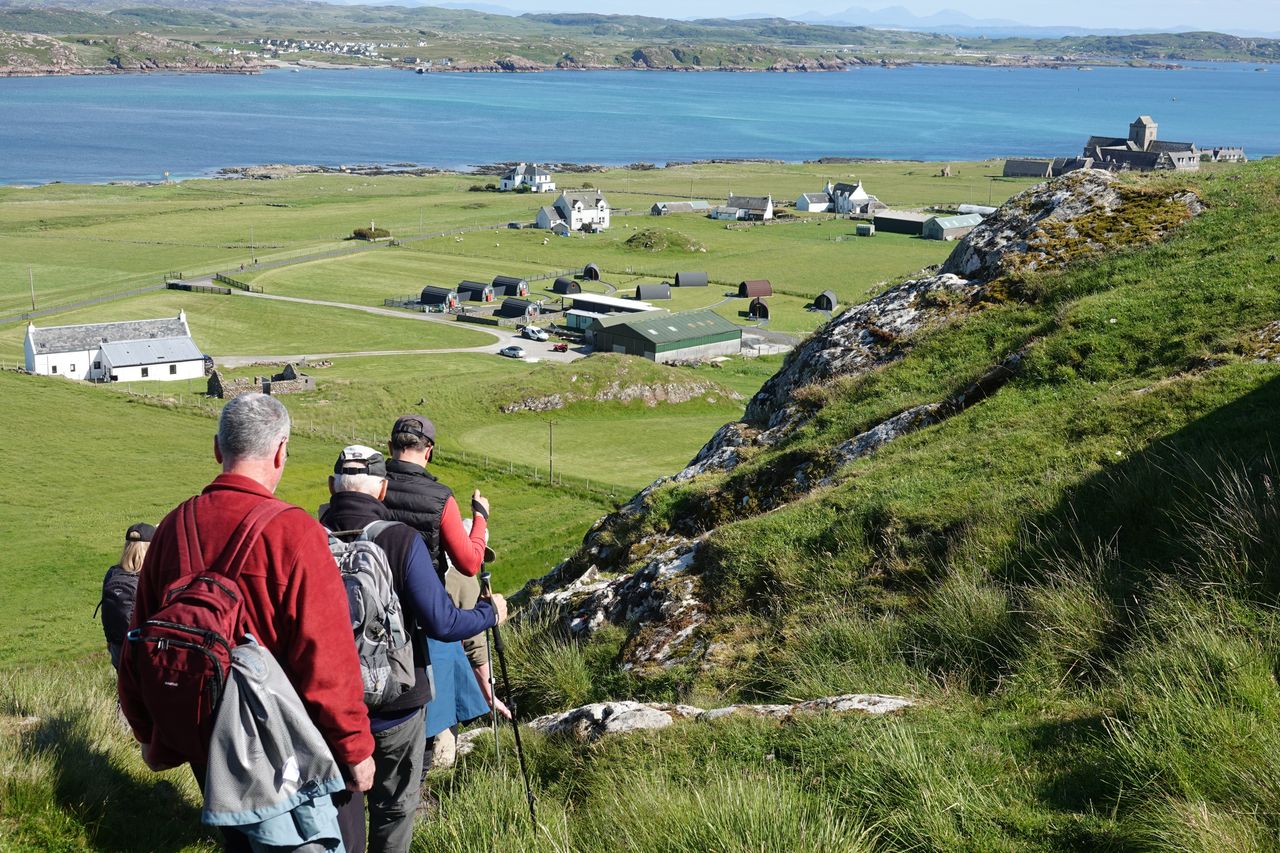
- Brodick Castle — Victorian castle with remarkable gardens, a few minutes by car or bike from the museum.
- Goatfell — the island's highest peak (874 m), accessible from Brodick, for a hike with panoramic views over the Firth of Clyde.
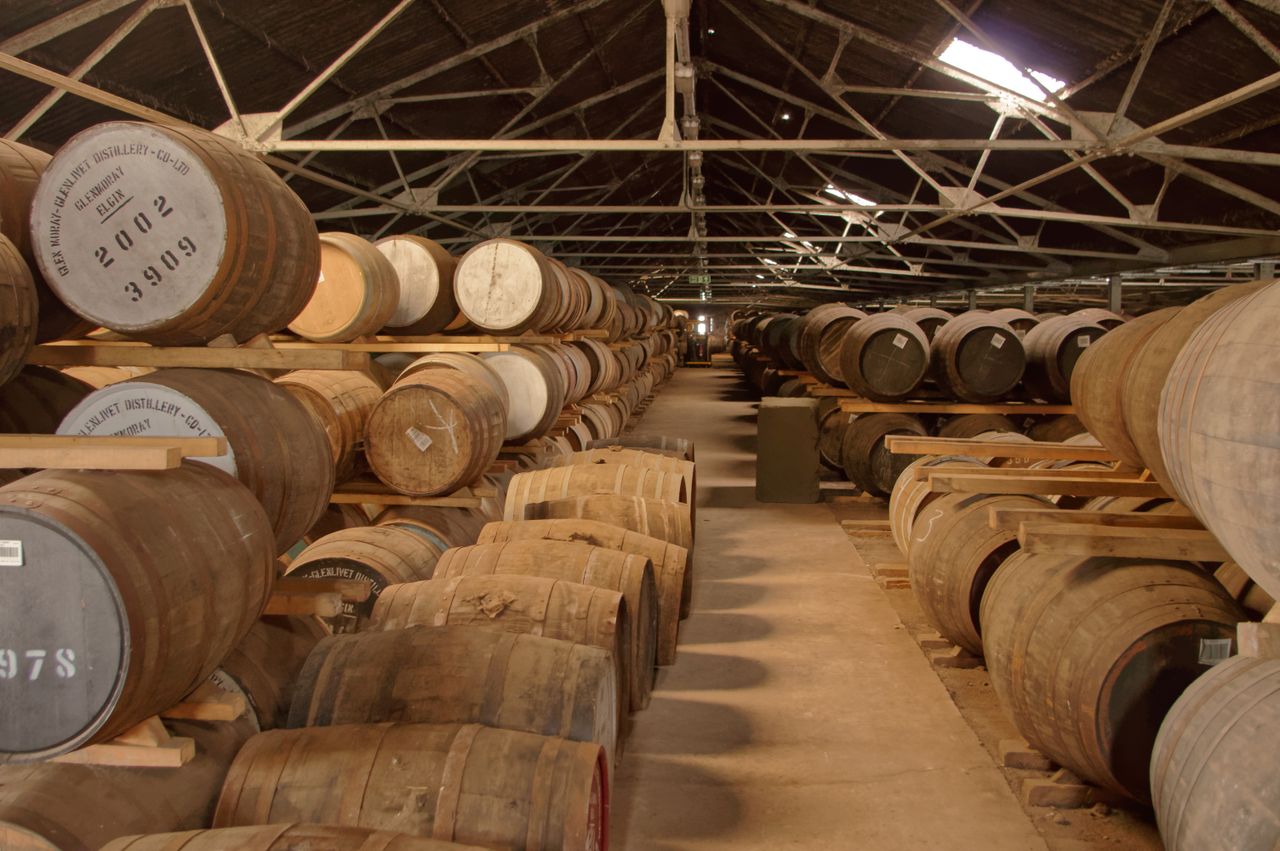
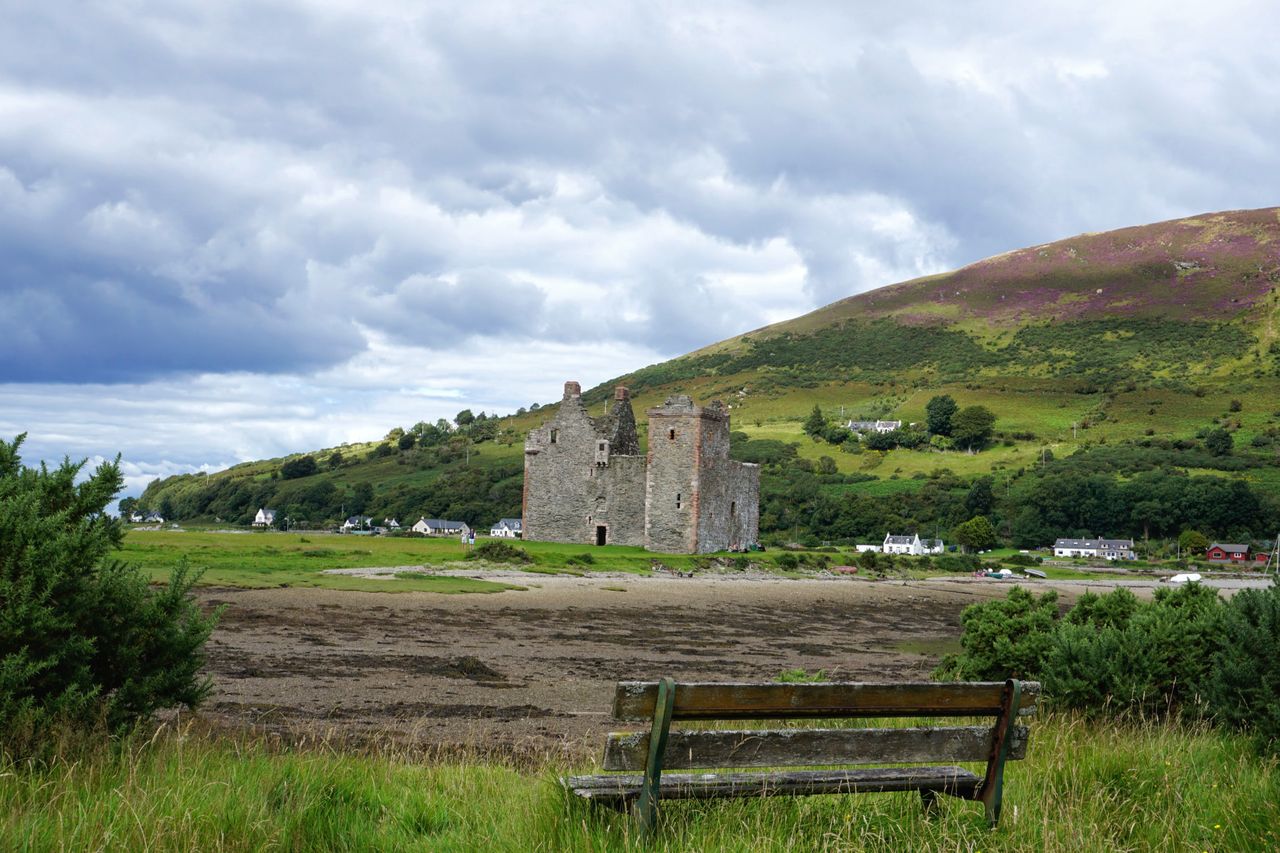
- Lochranza — village in the north of the island, with its ruined castle and the Isle of Arran distillery.
Frequently asked questions
The museum opens mainly in spring and summer. May to September offers the best conditions, with longer days and easier access to the entire outdoor site.
Yes. Both sites are close to each other in Brodick. Plan a full day visiting the museum in the morning and the castle with its gardens in the afternoon.
Yes. The outdoor reconstructions and collections of old tools hold children's attention well. The visit remains short and engaging.
The CalMac ferry connects Ardrossan to Brodick in approximately 55 minutes. Regular departures are available year-round, with increased frequency in summer.
Photography is generally allowed for personal use. Check with staff at the entrance for any restrictions on certain collection pieces.
Nearby
Interested in this visit?
We can include it in your personalised itinerary.