Staffin Dinosaur Museum
Staffin Dinosaur Museum
In Staffin, north of the Isle of Skye, a small museum brings together dinosaur fossils discovered locally. Nearby beaches conceal Jurassic footprints visible at low tide.
In the north of the Isle of Skye, the village of Staffin is home to a small museum dedicated to dinosaur fossils discovered on local beaches and cliffs. The region is one of the rare British sites where Jurassic dinosaur footprints and bones have been unearthed. The museum brings together a collection of specimens found nearby and offers scientific context accessible to all ages.
Quick facts
- Access: Staffin is located on the A855 road, in the northeast of Skye. A car is recommended; public transport is limited in this part of the island.
- Duration: 30 to 60 minutes for a museum visit.
What you'll see
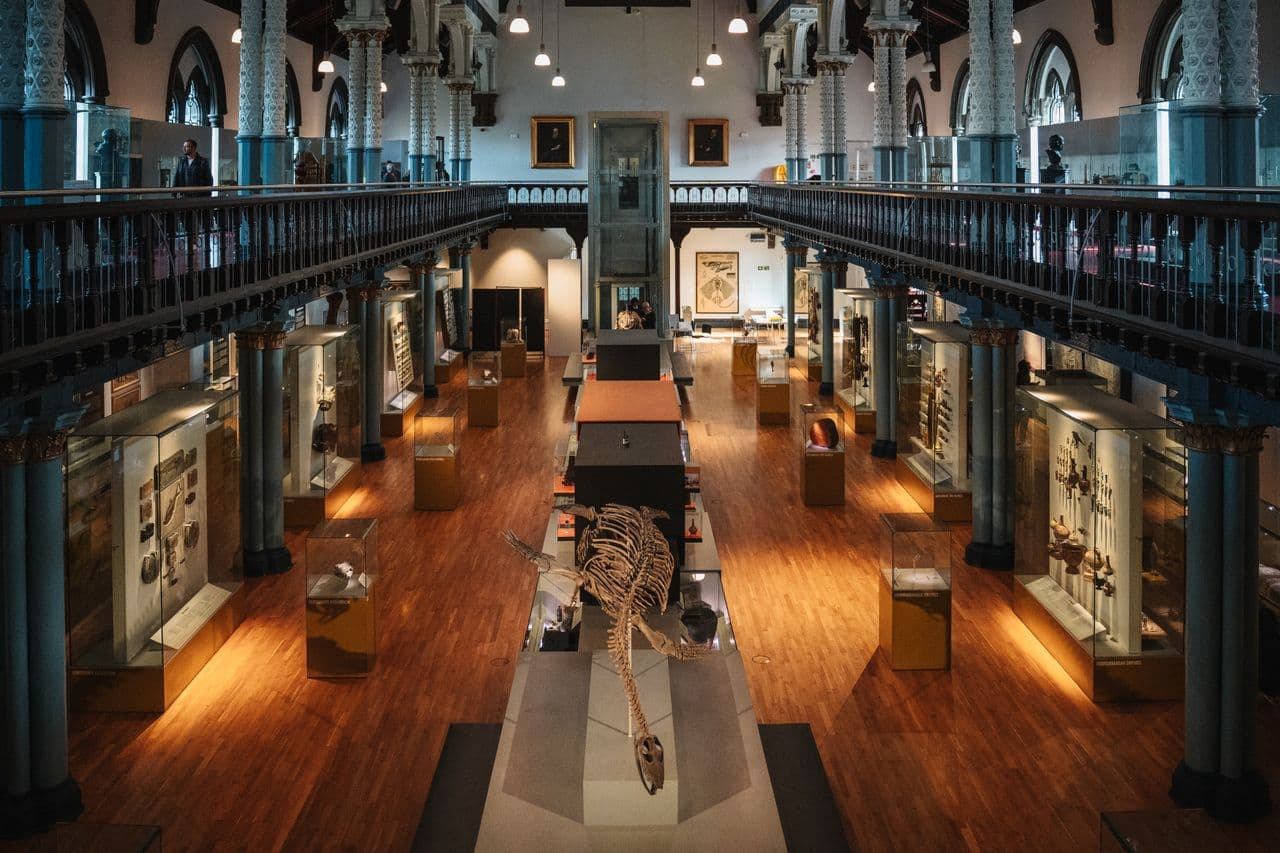
The museum displays fossils collected locally: bone fragments, teeth and dinosaur footprints dating from the Middle and Late Jurassic. Explanatory panels place these discoveries in their geological context. The collection remains modest, but the specimens are authentic and directly linked to the surrounding territory.
History and context
Skye is recognized by the paleontological community for the richness of its Jurassic deposits. Researchers from the University of Edinburgh have conducted several excavations in the Staffin region since the 1980s. New species have been described from remains found here, giving the site genuine scientific value beyond its tourist appeal.
Highlights of the visit
Local fossils
Unlike natural history museums in major cities, the pieces on display come directly from the immediate surroundings. This direct link between the place of discovery and the place of exhibition strengthens the interest of the visit.
Fossil-bearing beaches nearby
After the museum, it's possible to walk along Staffin's beaches at low tide. Dinosaur footprints are visible in the rock at certain spots. Check with the museum about access conditions and relevant areas.
Photography tips
Natural light is sufficient for photographing the exposed fossils. On the beaches, low-angle light at the beginning or end of the day highlights the relief of the footprints in the rock. Avoid using flash indoors if signs indicate this.
Location and access
Staffin is located about 25 km north of Portree, Skye's main town. The road runs along the east coast of the Trotternish peninsula. By car from Portree, allow about 30 to 40 minutes. There is no railway station nearby; a car or bicycle remain the most practical options. Wheelchair accessibility inside the museum is not confirmed with certainty.
Nearby
- Old Man of Storr — an emblematic rock formation on the Trotternish peninsula, accessible on foot from a car park on the A855.
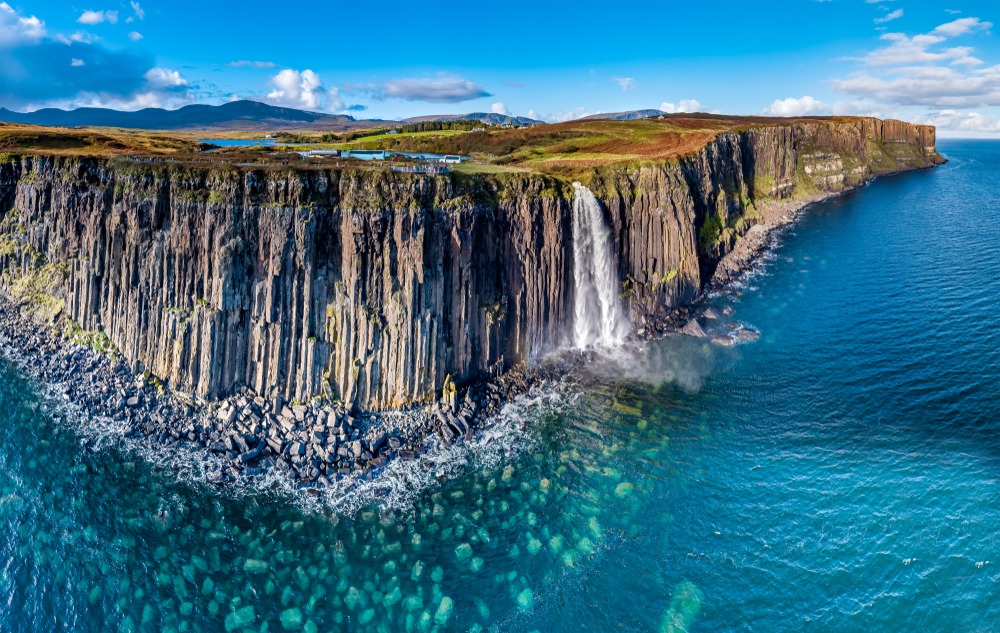
- Kilt Rock and Mealt Falls — a basalt cliff with characteristic vertical striations and a waterfall plunging directly into the sea.
- Quiraing — a landscape of fossilized landslides in the north of the peninsula, much loved by hikers.
- Portree — Skye's main town, with a colorful harbor, shops and accommodation.
Frequently asked questions
An entrance fee is generally requested, but the exact amount is not confirmed here. Bring some cash as a precaution.
Fossil collecting at protected sites is regulated in the UK. Check with the museum before any prospecting; certain areas are strictly preserved for scientific research.
Yes. The museum's small, themed format is well suited to families. Discovering footprints on the beaches adds a concrete dimension appreciated by young visitors.
Summer (June-August) offers the best weather and longest days for exploring the beaches. Outside the season, check the museum's opening hours, which may be reduced.
Easily. Quiraing, Kilt Rock and the Old Man of Storr are all on the same peninsula. One day is enough to visit the museum and two or three of these sites by car.
Interested in this visit?
We can include it in your personalised itinerary.