Dundee
Dundee
Dundee, on the Firth of Tay, combines a revamped waterfront, the V&A design museum, the Antarctic ship RRS Discovery, and a thriving cultural scene. An authentic and affordable Scottish city.
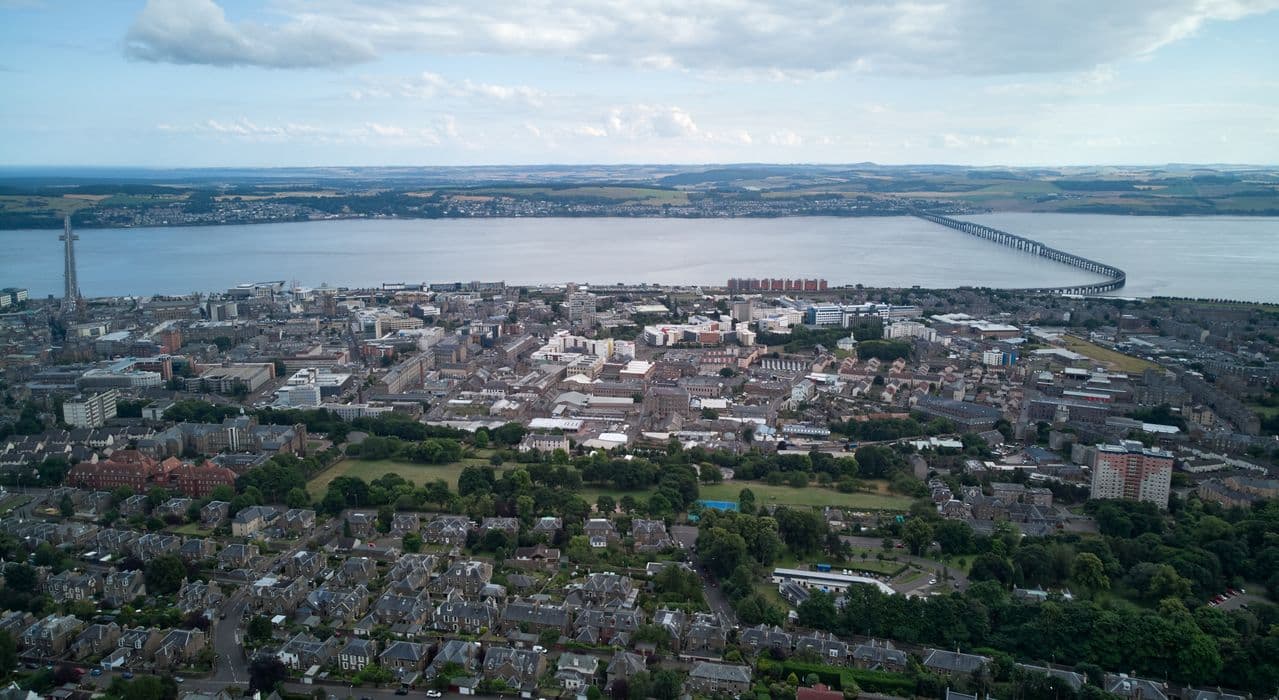
Dundee stretches along the northern shore of the Firth of Tay in eastern Écosse. The country's fourth-largest city, it once dwelled in the shadow of Edinburgh and Glasgow. Since the 2010s, a profound cultural transformation has reshaped it: world-class museums, a revamped waterfront, a vibrant arts scene. The city remains affordable and authentic, removed from overcrowded tourist circuits.
Practical Information at a Glance
- Access: central railway station (direct connections from Edinburgh in approximately 1 hour 20 minutes, Glasgow in approximately 1 hour 30 minutes).
- Airport: Dundee Airport offers domestic flights; Edinburgh Airport remains the closest international gateway.
- Recommended duration: 2 days to cover the waterfront, museums, and historic centre.
- What to wear: no particular constraints; plan for a waterproof layer, as the Tay wind is constant.
What to See
The waterfront (Waterfront) concentrates the essentials: V&A Dundee, Écosse's first design museum, and the RRS Discovery, the ship that carried Scott to Antarctica. The city centre retains the Old Steeple, a 15th-century medieval bell tower, and McManus Galleries, a Victorian municipal art and history museum. The hill of Dundee Law offers a 360° panorama over the city, the Tay, and Fife.
History and Context
Dundee owed its industrial fortune to the "three Js": jute, jam, journalism. Jute mills, fed by raw materials from India, shaped the working-class architecture of the 19th century. The city was also home to D.C. Thomson, publisher of the comic strips The Beano and The Dandy, still active today. Following industrial decline in the 1970s and 1980s, Dundee invested in the university, video games (Lemmings and Grand Theft Auto were designed here), and culture.
Highlights of Your Visit
V&A Dundee
Designed by Kengo Kuma, the building itself is a work of art: its textured concrete façades evoke Scottish cliffs. Inside, the permanent collections trace the history of Scottish design, with a dedicated room for Charles Rennie Mackintosh. Temporary exhibitions welcome international creators.
RRS Discovery
This three-masted barque carried Robert Falcon Scott's Antarctic expedition in 1901. Moored opposite the V&A, it is fully open to visitors: cabins, hold, deck. Panels trace the conditions of life aboard and the scientific stakes of the expedition.
McManus Galleries
A Victorian neogothic building housing collections of local archaeology, Scottish painting, and natural history. Admission is free. A useful stop to understand the city's history before exploring its streets.
Dundee Law
This volcanic hill rises 174 metres. A war memorial marks the summit. The climb on foot from the centre takes about twenty minutes; the view of the Tay Bridge and the Fife hills is clear on fine days.
Street Art Scene and Stobswell Quarter
Dundee boasts a notable concentration of murals, notably around the Stobswell quarter and the cultural centre Generator Projects. The city was designated the UK's first UNESCO design city in 2014.
Photography Tips
The V&A photographs best in late afternoon, when low-angled light accentuates the facade's textures. For the RRS Discovery, climb to the upper deck early in the morning before crowds arrive. From Dundee Law, golden evening light reveals the Tay's reflection and the two bridges (Tay Road Bridge and Tay Rail Bridge). Inside McManus, natural light filters through Victorian skylights: avoid flash.
Location and Access
Dundee is situated approximately 90 km north of Edinburgh and approximately 80 km east of Perth. The central station is a five-minute walk from the waterfront. Local buses serve Dundee Law and outlying quarters. The waterfront is fully accessible to those with reduced mobility. Guided walking tours are offered by the local tourist office, notably themed around design and industrial history.
In the Surroundings
- Glamis Castle — ancestral residence of the Bowes-Lyon family, about twenty kilometres north, associated with Queen Mother Elizabeth.
- Perth — former capital of Écosse on the Tay, with Scone Palace where Scottish kings were crowned.
- St Andrews — medieval university town and birthplace of golf, accessible in less than an hour via the Fife coast.
- Arbroath — fishing port where the Declaration of Arbroath was signed in 1320, about thirty kilometres northeast.
Frequently asked questions
From May to September, days are long and temperatures pleasant. July and August are the busiest months. Outside summer, the city remains accessible and less crowded, with accommodation rates often lower.
V&A Dundee's permanent collection is free. Temporary exhibitions may charge admission; check the programme on the official website before your visit.
Yes, provided you start early. St Andrews is accessible by bus or car via the Tay Bridge and the Fife coast. Plan half a day on site for the cathedral, castle, and the Old Course.
Yes. The ship offers interactive spaces and reconstructions of life aboard that capture young visitors' attention. Some interior spaces are narrow; pushchairs may be difficult to manoeuvre in the hold.
Absolutely. Direct trains connect the two cities regularly. Once there, the city centre and waterfront are walkable. Local buses cover more distant quarters.
One day allows you to see the V&A, RRS Discovery, and Dundee Law. Two days provide time to explore McManus, the street art quarters, and make an excursion to Glamis or St Andrews.
Attractions in Dundee
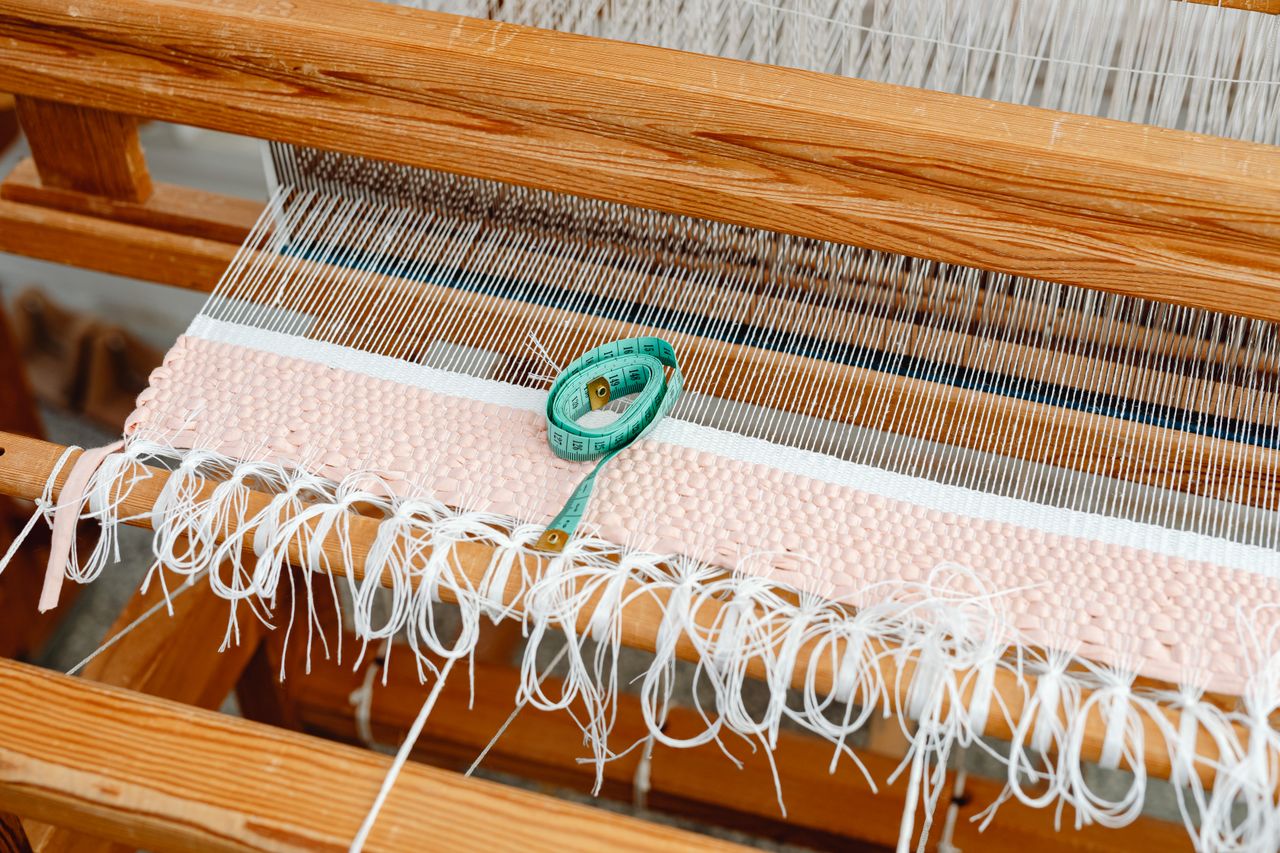
Verdant Works Museum
Verdant Works est un musée installé dans une ancienne filature de jute du XIXe siècle, au cœur de Dundee. Il retrace l'histoire de l'industrie textile qui a façonné la ville pendant plus d'un siècle.
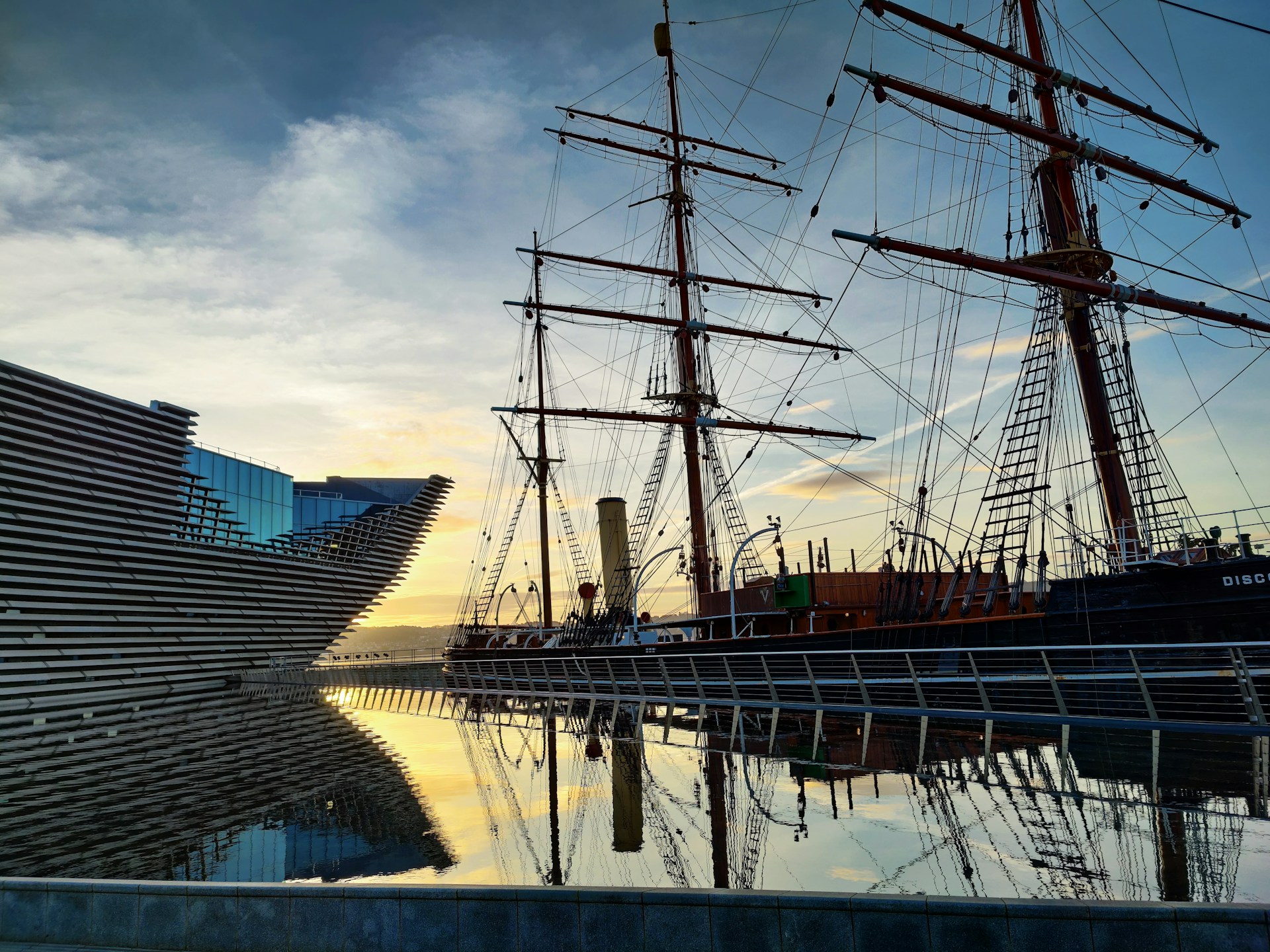
RRS Discovery
Amarré sur les rives de la Tay à Dundee, le RRS Discovery est le navire de recherche qui transporta Robert Falcon Scott et Ernest Shackleton lors de l'expédition antarctique Discovery (1901-1904).
Want to discover this destination?
Our local advisors design your tailor-made trip.