Isle of Arran
Isle of Arran
The Isle of Arran, in the Firth of Clyde, combines mountains, megalithic sites, castles and distilleries across 430 km². A distilled essence of Scotland less than two hours from Glasgow.
The Isle of Arran stretches across the Firth of Clyde, less than an hour by ferry from Ardrossan on Scotland's west coast. Nicknamed "Scotland in miniature," it concentrates within 430 km² granite mountains to the north, gentle hills to the south, distilleries, castles and beaches. It's an open-air and nature destination, accessible from Glasgow in less than two hours, attracting hikers, cyclists and whisky enthusiasts.
Practical Information at a Glance
- Access: CalMac ferry from Ardrossan (Brodick) — crossing approximately 55 minutes; seasonal ferry from Claonaig (Kintyre) to Lochranza, crossing approximately 30 minutes.
- Recommended duration: 2 to 4 days to explore the island thoroughly; a weekend is possible for an overview.
- Transport on the island: circular bus service (Stagecoach) running along the coast; bike rental available in Brodick; a car is recommended for the interior.
- Clothing: waterproof clothing and hiking boots essential, even in summer.
- Accessibility: the village of Brodick and its surroundings are accessible; mountain trails are not.
What You'll See
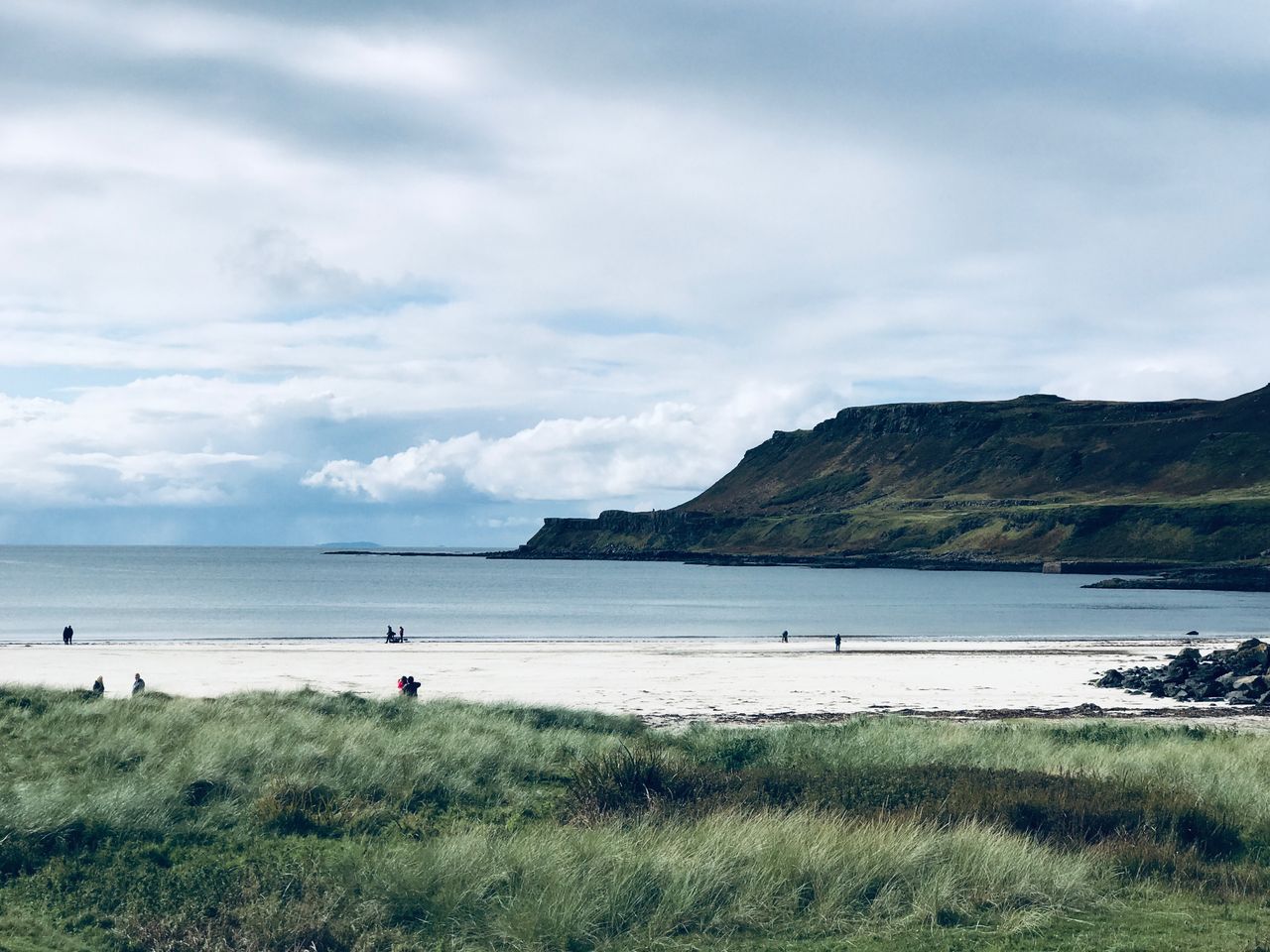
The northern part of the island is dominated by Goat Fell (874 m), Arran's highest point, accessible from Brodick. The granite ridges offer views across Kintyre, Ireland and sometimes the Hebrides on clear days. To the south, the landscape softens: moorland, farms, small coastal villages such as Lamlash or Whiting Bay. The coast is dotted with pebble and sandy beaches, often deserted outside summer.
History and Context
Arran has been inhabited since the Neolithic period: the stone circles of Machrie Moor, dating back 3,500 to 5,000 years, bear witness to this. Vikings controlled the island before it came under Scottish rule in the 13th century. Brodick Castle, residence of the Dukes of Hamilton, was occupied for over five centuries. The island underwent the Clearances in the 19th century, which emptied its interior lands in favour of sheep farming.
Highlights of Your Visit
Goat Fell
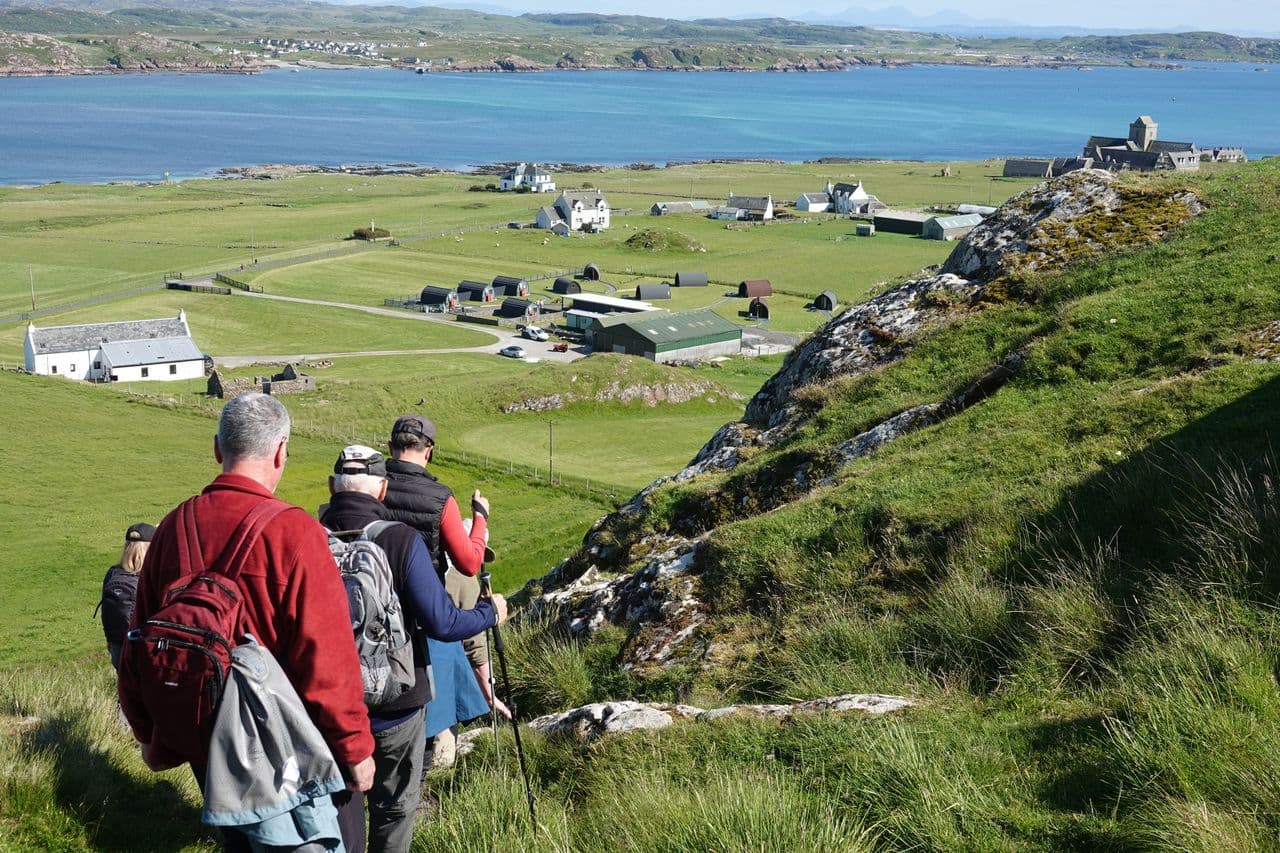
The ascent of Goat Fell from Brodick or from the gardens of Brodick Castle is the island's iconic hike. The main trail is well-marked; allow half a day return. The summit offers a 360° panorama across the Firth of Clyde and neighbouring islands.
Machrie Moor
This moorland plateau is home to six circles of standing stones, some reaching five metres in height. The site is accessible on foot from the west coast road. The atmosphere is particularly striking in misty weather. Entry is free.
Brodick Castle
The castle, managed by the National Trust for Scotland, overlooks Brodick Bay from a wooded hill. The interior features collections of porcelain, paintings and hunting trophies of the Dukes of Hamilton. The gardens, notably the rhododendron garden, are remarkable in spring.
Isle of Arran Distillery
Founded in 1995 at Lochranza, Isle of Arran Distillers offers guided tours and tastings. A second distillery, Lagg, opened in the south of the island in 2019, specialising in peaty whiskies.
Lamlash and Holy Island
From Lamlash village, a short ferry service runs to Holy Island, home to a Tibetan Buddhist centre. The island is inhabited by wild ponies, goats and Soay sheep. The hike to the summit (314 m) takes approximately two hours return.
Photography Tips
Low light at dawn and dusk is ideal on the Machrie Moor stone circles. For Goat Fell, the first hours after sunrise offer the best chance of clear skies before clouds roll in. The north-west coast, between Lochranza and Catacol, is photogenic with its rows of white cottages facing the sea.
Location and Access
Arran is located in North Ayrshire, on Scotland's west coast. The main ferry departs from Ardrossan, accessible by train from Glasgow Central in approximately 50 minutes. Brodick, the main town, concentrates most accommodation, restaurants and services. A circular bus links the coastal villages; the interior of the island is accessible only by car or on foot. Nearby destinations accessible by ferry include the Kintyre Peninsula and Holy Island.
Nearby
- Holy Island — small island opposite Lamlash, Buddhist centre and wild fauna, accessible by ferry from Lamlash.
- Brodick Castle — castle and gardens of the National Trust for Scotland, a few minutes from Brodick.
- Machrie Moor — megalithic site on the island's west coast, accessible on foot from the road.
- Lochranza — village to the north with its ruined castle and Isle of Arran Distillers.
- Kintyre Peninsula — accessible by seasonal ferry from Lochranza, coastal scenery and Campbeltown distillery.
Frequently asked questions
From May to September, days are long and weather conditions are milder. Spring is ideal for Brodick Castle's rhododendrons. Autumn offers remarkable colours on the moorland, with fewer visitors.
The coastal bus service is sufficient to connect the main villages. To access Machrie Moor, interior trails or isolated beaches, a car or bike is considerably more convenient.
Allow 4 to 5 hours return from Brodick, depending on your pace. The trail is well-marked but requires good hiking boots and waterproof clothing.
The seasonal ferry from Lochranza allows you to reach Claonaig on Kintyre, a starting point for Islay or Jura. The Arran–Kintyre–Islay combination is feasible in one week.
Yes, the site is freely accessible. A marked trail from the west coast road leads to the circles in approximately 20 minutes on foot.
A seasonal ferry connects Lamlash to Holy Island. The Buddhist centre welcomes passing visitors; certain areas are reserved for retreats. Check ferry timetables directly with local operators.
Attractions in Isle of Arran
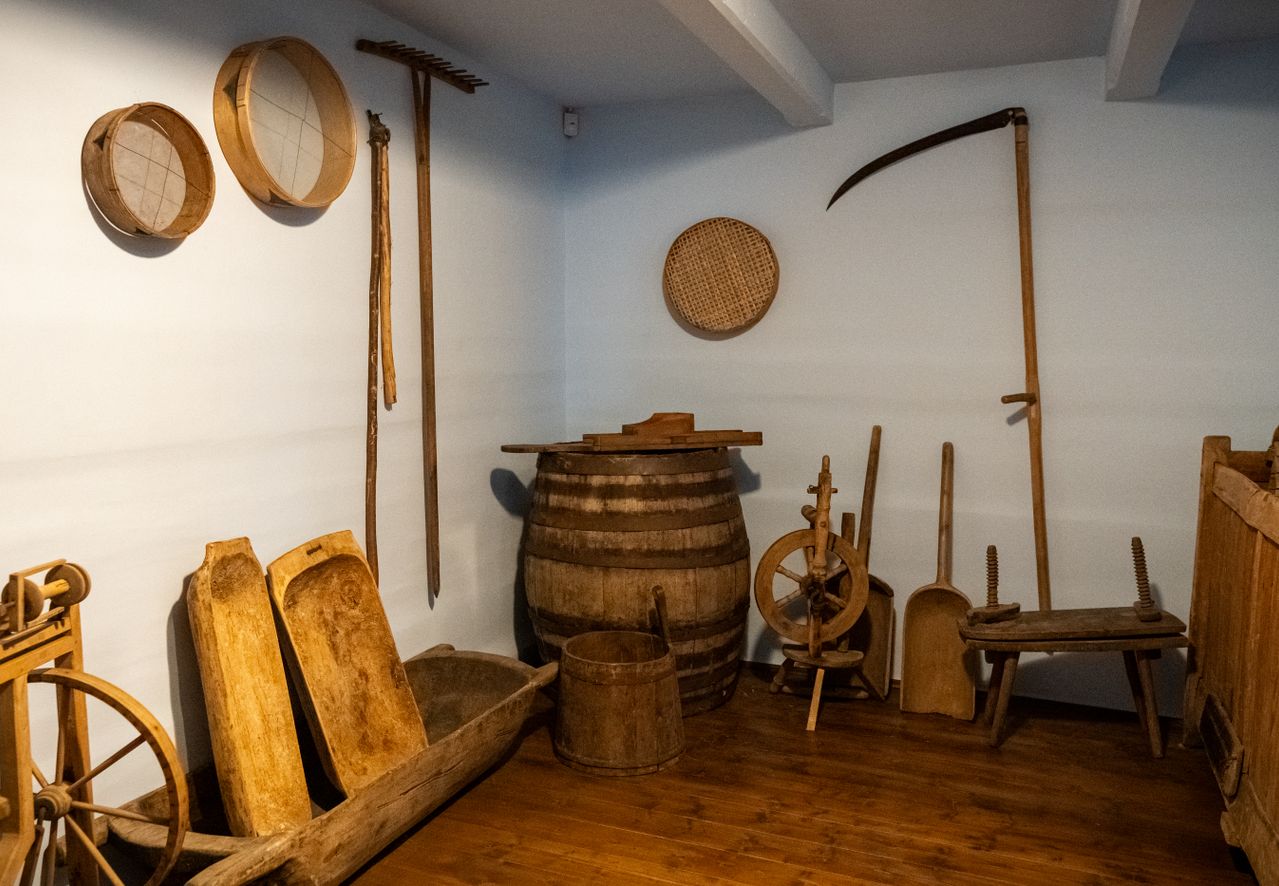
Arran Heritage Museum
L'Arran Heritage Museum se trouve à Brodick, principal village de l'île d'Arran, sur la côte ouest de l'Écosse. Installé dans une ancienne ferme du XVIIIe siècle, il retrace l'histoire humaine
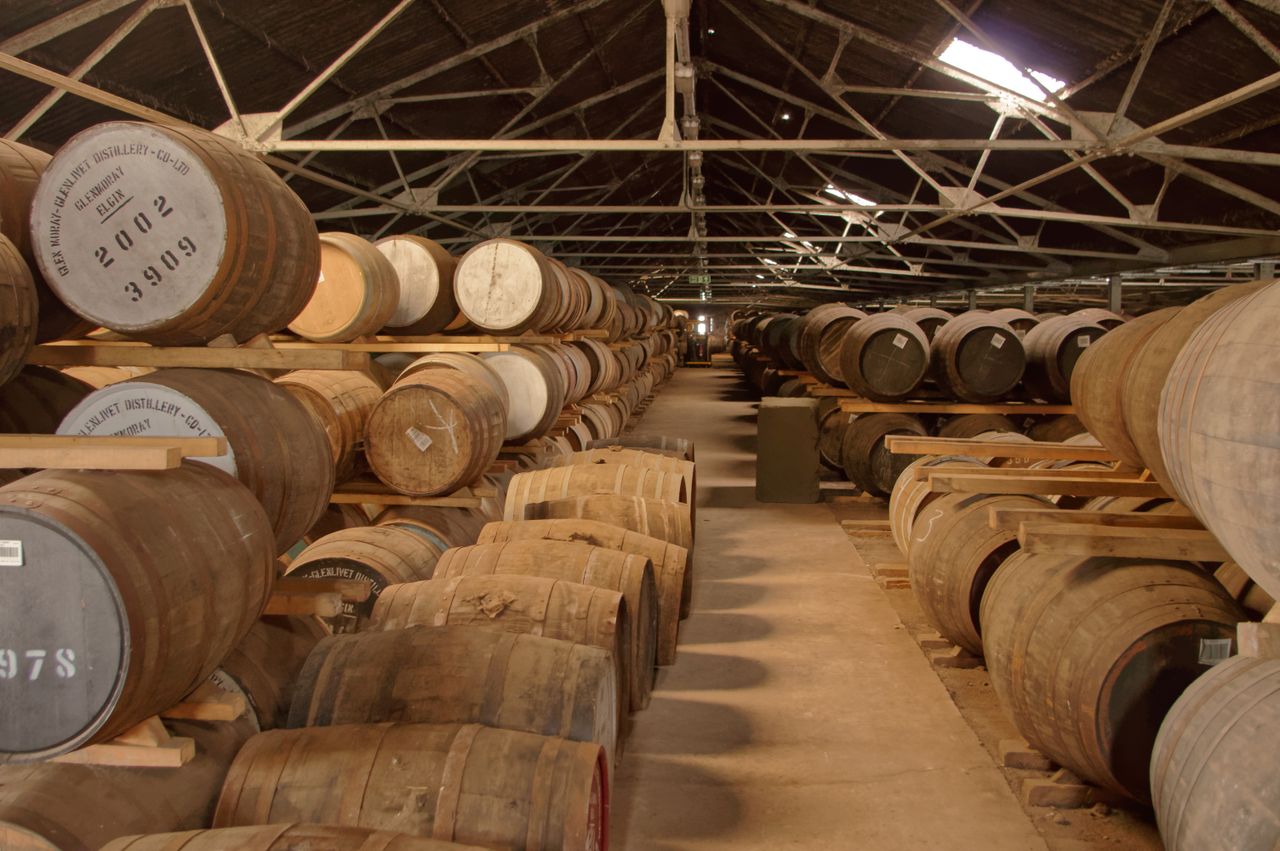
Arran Distillery
La distillerie d'Arran se dresse à Lochranza, village au nord de l'île d'Arran, face aux ruines d'un château médiéval et aux cerfs qui descendent des collines.
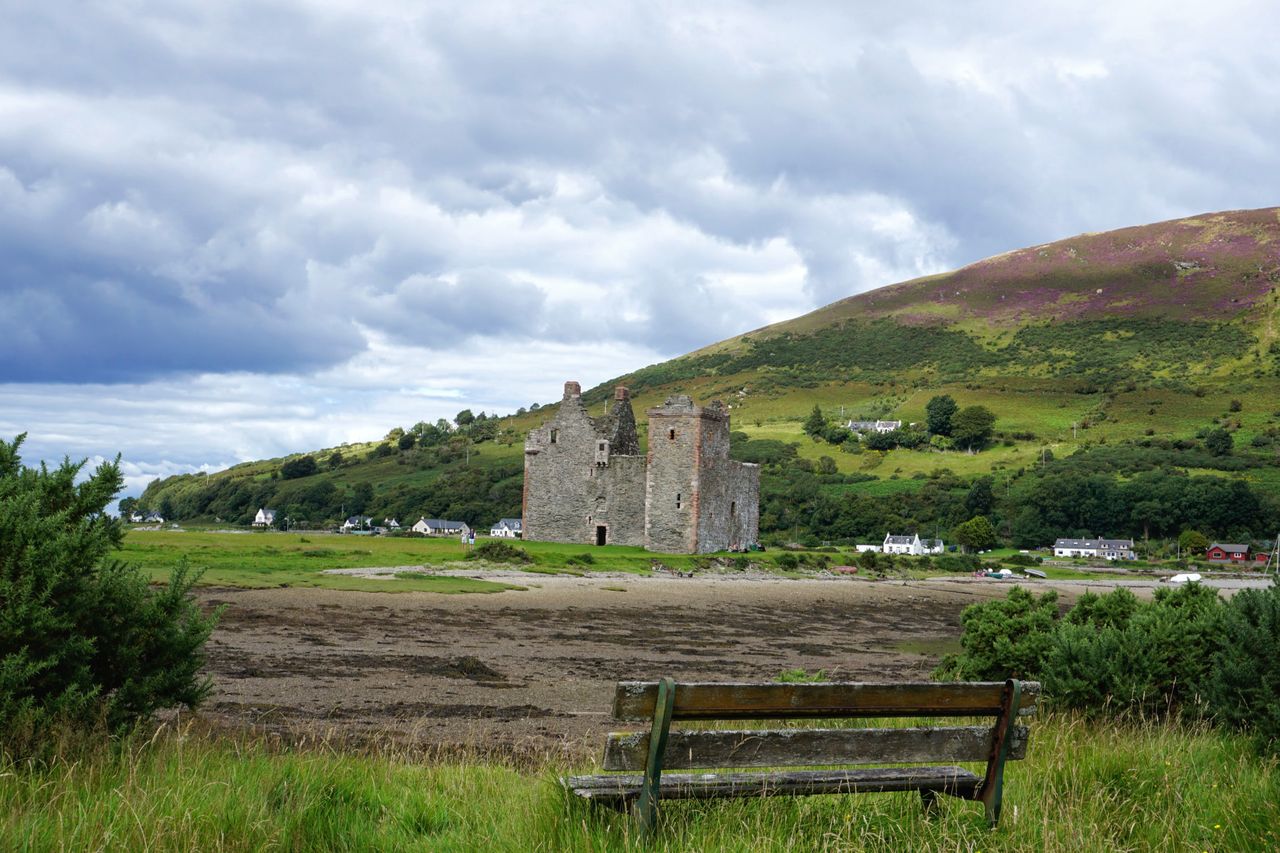
Lochranza Castle
Au fond d'un loch encaissé, à la pointe nord de l'île d'Arran, les ruines de Lochranza Castle se dressent sur une langue de terre entre deux baies.
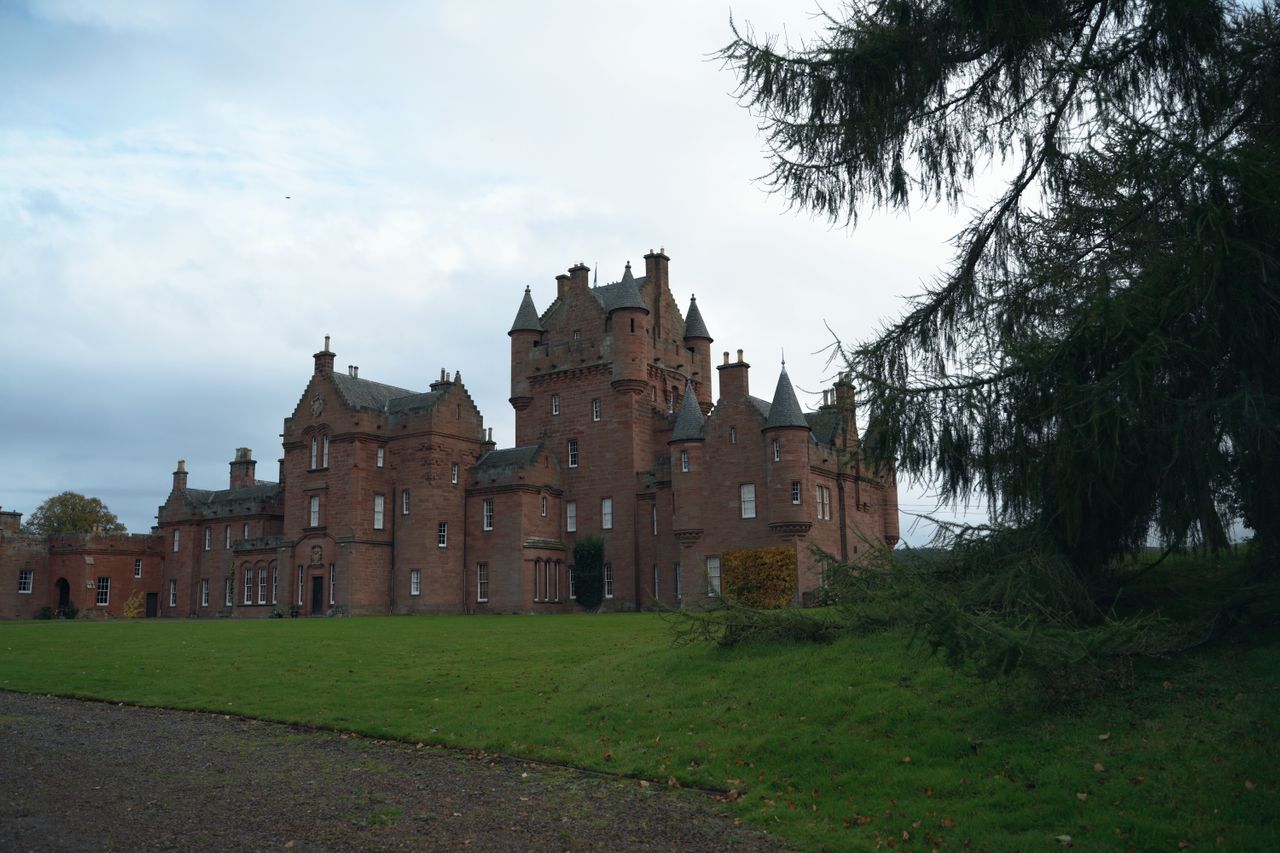
Brodick Castle
Brodick Castle se dresse sur la côte est de l'île d'Arran, face au Firth of Clyde, encadré par les pentes du Goatfell. Ancienne résidence des ducs de Hamilton, le château abrite des collections d'art
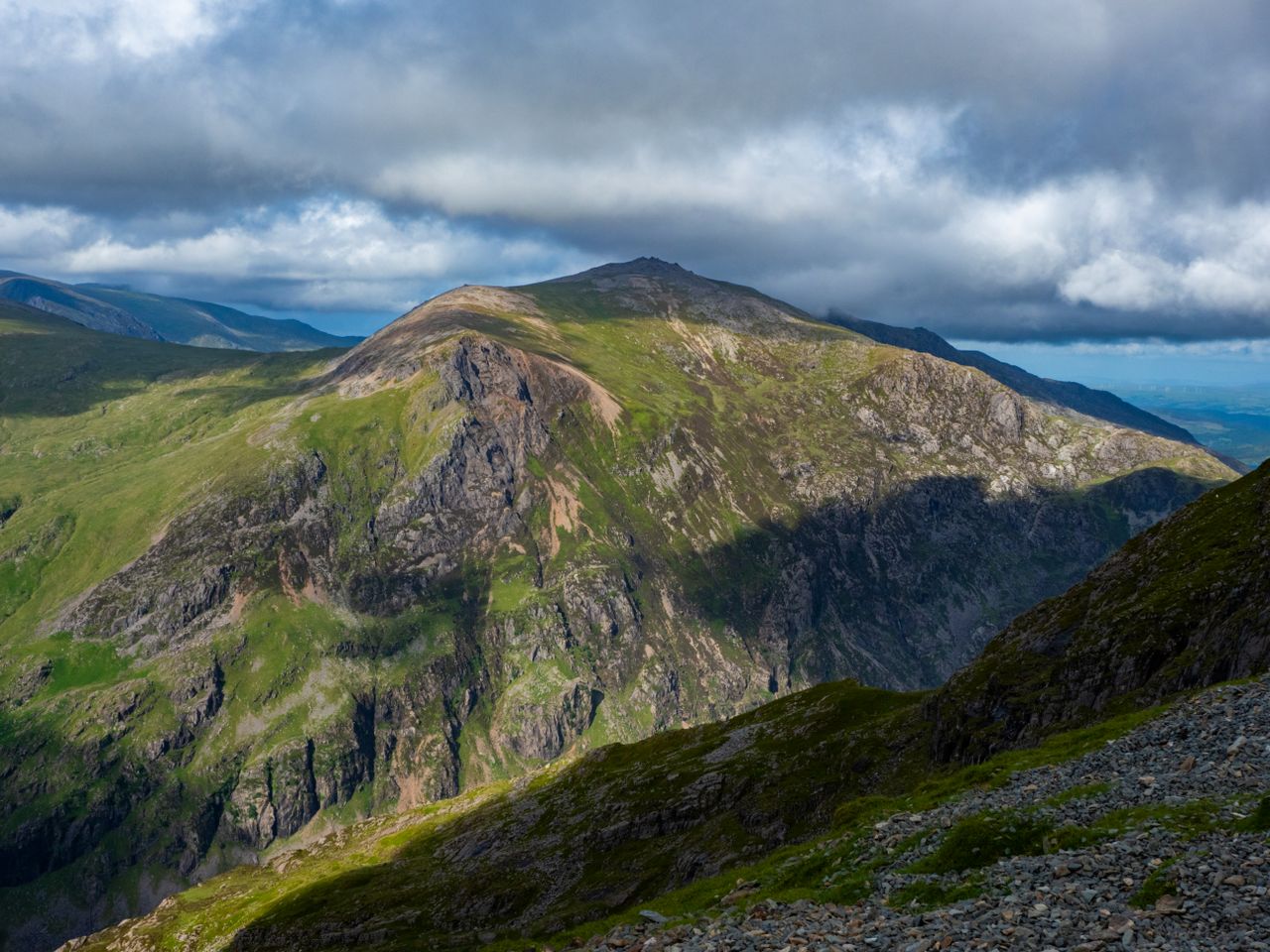
Goat Fell
Goat Fell est le point culminant de l'île d'Arran, en Écosse, avec ses 874 mètres d'altitude. Ce sommet granitique domine la côte nord-est de l'île, offrant par temps clair une vue sur les Highlands
Want to discover this destination?
Our local advisors design your tailor-made trip.