Practical information Écosse
Planning a trip to Scotland requires making some specific decisions that we cover in detail on these pages. On the administrative side, Scotland is part of the United Kingdom and has been outside the European Union since 2021: a biometric passport is mandatory (an ID card is no longer sufficient), no visa is required for tourist stays of less than six months for French, Belgian and Swiss nationals, but an electronic ETA authorization at £10 has been required since 2025. On the health side, no specific vaccinations are needed, tap water is drinkable everywhere, the European health insurance card no longer works, so plan for standard travel insurance. The budget remains one of Europe's highest: expect £130 to £180 per day and per person excluding international flights, with accommodation and car rental being the largest expenses. Driving is on the left, Highland roads are often single-track with passing places, with an average actual speed of 50 km/h. On the climate side, forget the idea of a perfect season: it can rain in July and be 18°C in April, so bring technical layers and a waterproof jacket whatever happens. Fabienne and our English-speaking team based in Edinburgh know the seasonal particulars by region (midges in July-August in the Highlands, Hebrides ferries in case of wind, winter closures on the NC500) and will guide you according to your dates and itinerary.
Plan your trip by theme
Explore our practical guides organized by category to quickly find the information you need.
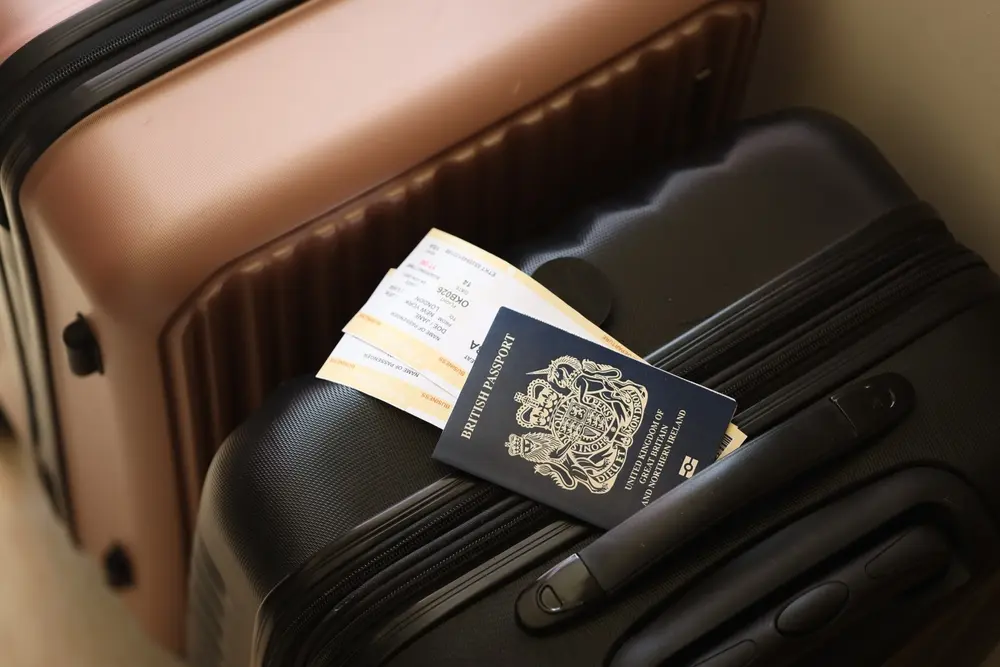
Before You Go
Biometric passport, mandatory ETA authorisation at £10 required from 2025, travel insurance, to arrange before departure.
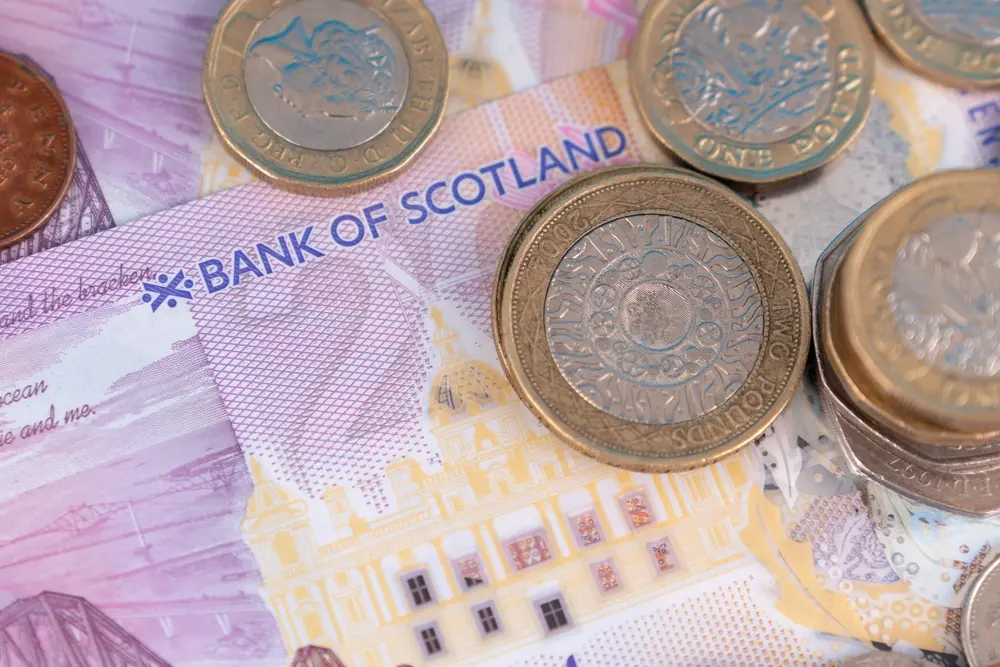
Budget Money
British pound (GBP), 130 to 180€ per day and per person, card payment widely accepted, 10% tip at restaurants.
Climate Season
Variable oceanic climate, 8 to 19°C depending on season, June to September preferred, midges active in summer in the Highlands.
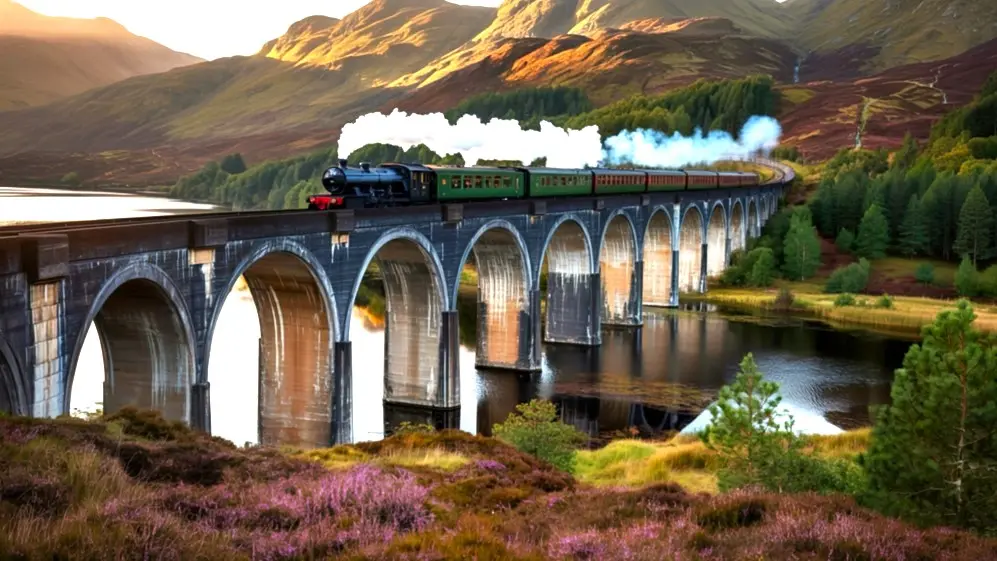
Transports
Left-hand traffic, car rental almost essential, single-track roads in the Highlands, CalMac ferries for the islands.
Culture
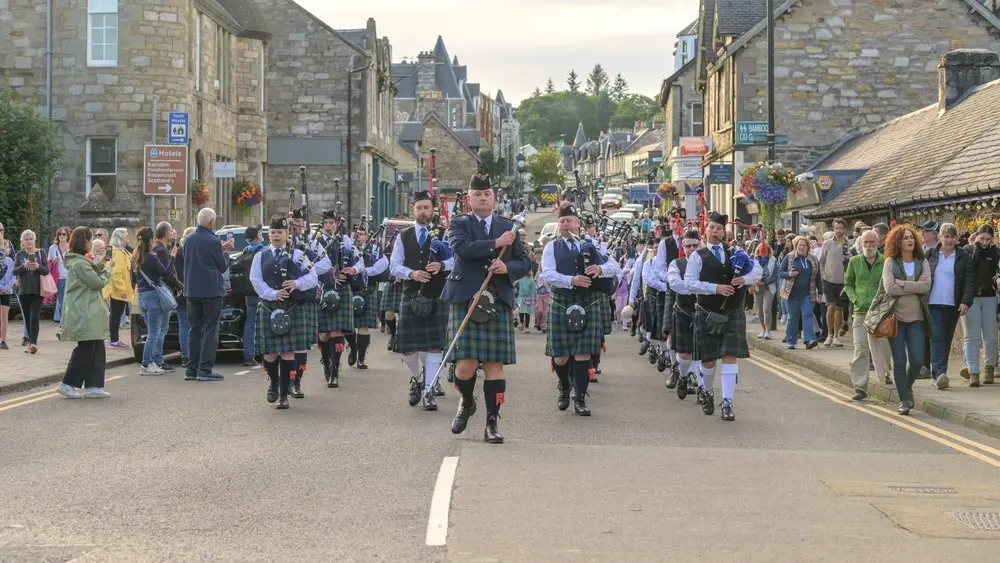
Scottish identity distinct from English, pub culture, casual attire, punctuality appreciated, kilt worn on formal occasions.

Useful Tips
Safe destination, drinking water available everywhere, type G electrical outlets, decent 4G coverage except in remote areas, anti-midge spray recommended in summer.
All practical guides
Search and filter among 0 articles
No articles match your criteria.
Frequently asked questions
The answers to the most frequently asked questions from our travellers.
No visa is required for French, Belgian and Swiss nationals for a tourist stay of less than six months. However, since April 2025, the ETA (Electronic Travel Authorisation) electronic travel authorization is mandatory before boarding. It can be requested online on the official UK ETA website, costs £10 (approximately €12), remains valid for two years and allows multiple stays. The application takes 10 minutes and you typically receive a response within 72 hours. A biometric passport is mandatory and must be valid for the entire duration of your stay. The national identity card is no longer accepted since Brexit in 2021.
No specific vaccine is required or recommended for traveling to Scotland. The country benefits from an excellent health standard, tap water is safe to drink throughout the territory (including on the islands), and there is no risk of malaria, dengue fever, or other tropical diseases. We simply recommend keeping your routine vaccinations up to date (DTP, MMR). Important since Brexit: the European health insurance card (EHIC) is no longer valid in the United Kingdom. Take out travel insurance covering medical expenses and repatriation, as private healthcare is costly. A consultation with a doctor before departure is not necessary for someone in good health.
Scotland is a relatively expensive destination. Budget between €130 and €180 per day per person excluding international flights, based on a couple's trip. Main expenses: B&B or standard guesthouse accommodation between £90 and £140 for a double room, pub meals around £15 to £22, compact car rental £45 to £70 per day depending on season. Castle visits cost £12 to £20, distillery tours £15 to £30 per tour. Fuel runs around £1.50 per litre. For a more comfortable trip in 4-star hotels or small luxury properties, budget €250 to €350 per day per person.
The ideal period runs from late May to mid-September. May and June offer the longest days (up to 18 hours of daylight in late June), intense green vegetation and fewer midges. July and August are the warmest months (15 to 20°C) but also the busiest and windiest for midges in the Highlands. September brings autumn colors, especially in the Cairngorms, and fewer crowds. Avoid November to February: short days (sunset at 3:30 PM in December), many accommodations closed on the NC500 and the islands, disrupted ferries. April and October remain viable with good preparation.
Car rental is by far the most practical option, particularly for the Highlands and islands. Important: left-hand driving, and single-track roads with passing places very frequent in the north and west. Average speed is around 50 km/h on these sections. Trains run well between Edinburgh, Glasgow, Inverness and Fort William (the West Highland Line is stunning). CalMac ferries serve all inhabited islands; book in advance during summer. For travelers who prefer not to drive, we organize tours with an English-speaking driver-guide. Distances look short on the map but require real travel time.
Scotland is among the safest destinations in the world. Crime remains low, including in Edinburgh and Glasgow, while the Highlands and islands are perfectly peaceful. Standard precautions suffice: stay alert to pickpockets in Edinburgh's tourist areas during summer, and don't leave visible items in your car. There are no areas to avoid. The main risks are nature-related: changeable weather in the mountains (dress appropriately for hiking), slippery roads in rainy conditions, and strong currents on certain coasts. Independent hiking requires checking the weather forecast and notifying someone of your itinerary. Our team in Edinburgh remains available 24/7 throughout your stay.
Ready to travel to in Scotland?
Discover our tailor-made itineraries, designed by our local team. Each route adapts to your pace, your preferences and your travel season.
See our toursWe use cookies to improve your experience and measure our site's audience. You can choose what you accept. Learn more.