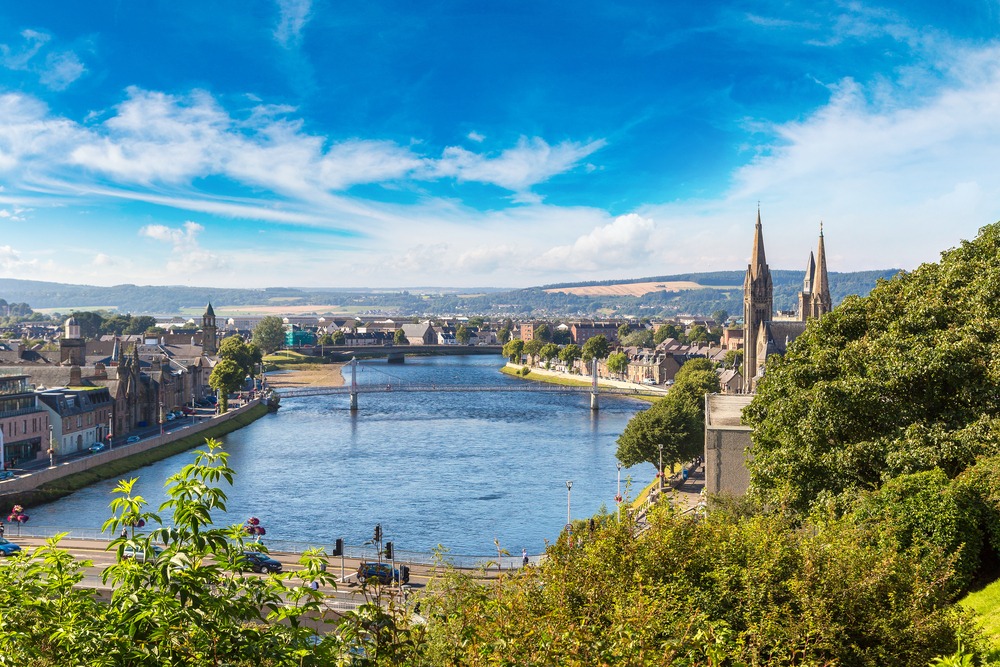
What animals can you observe in Scotland?
Mountain ranges crossed by watercourses, forests and moorlands, vertiginous cliffs, coastlines and wild islands... Scotland can boast a rich biodiversity.
Mountain ranges crossed by watercourses, forests and moorlands, vertiginous cliffs, coastlines and wild islands... Scotland can boast a rich biodiversity. Inevitably, these varied landscapes constitute the privileged habitat of many animals. Which ones? Discover the emblematic animals to see during a stay in Scotland, a nature destination par excellence!
The must-see mammals in Scotland
Terrestrial mammals
The red squirrel
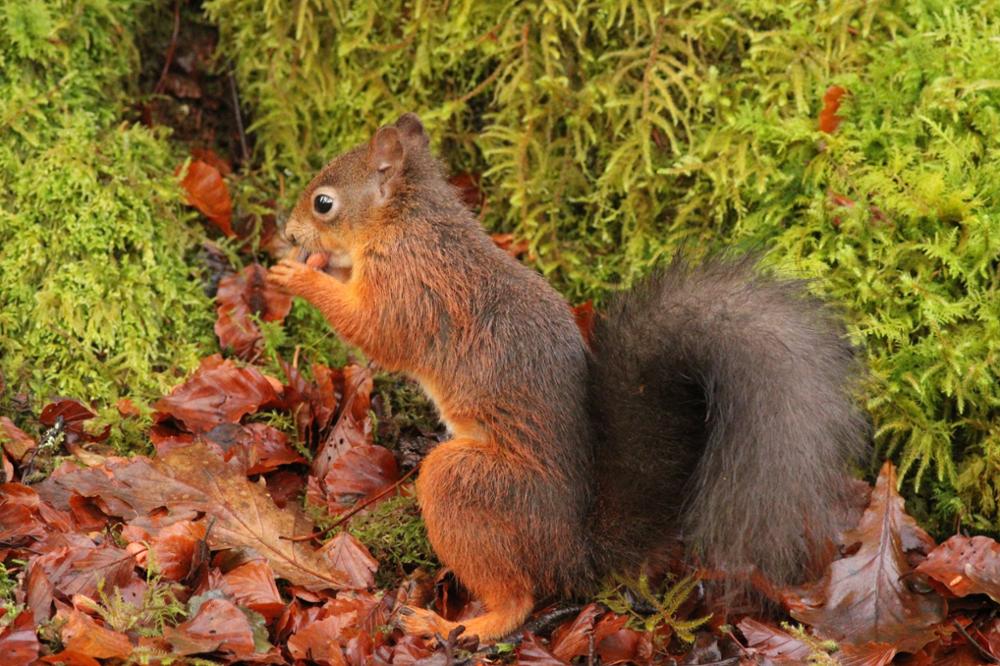
The red squirrel is Scotland's only indigenous squirrel species. Smaller than its grey cousin, it stands out with its sublime orange-red colour. It is found mainly in conifers, particularly in the branches of Scots pines where it loves to hide. Although shy and discreet, it can be easily observed during the day.
Where to see the red squirrel in Scotland?
Red squirrels can be observed in most of Scotland's forests, except for certain parts of the east. They are found notably in:
Glenmore National Nature Reserve,
Galloway Forest Park,
Perthshire, or
along the Devilla Forest Red Squirrel Trail.
The mountain hare
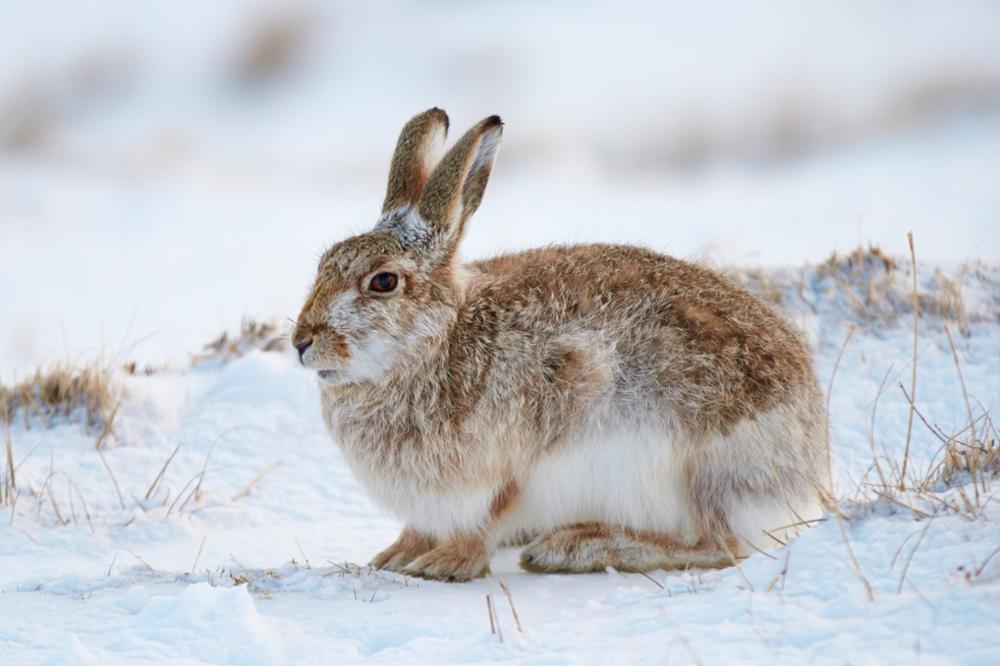
Scotland's mountain hare is an indigenous hare species, unlike the brown hare introduced by the Romans and rabbits by the Normans. Smaller than the brown hare, it has the peculiarity of changing coats with the seasons to better blend in with nature. In winter, it wears white fur, while in summer it returns to grey fur. They are observed more easily in late winter when the snow begins to melt.
Where to see the mountain hare in Scotland?
Scotland's mountain hare is easily observable in the Highlands, mainly on heather moorlands above 300 m altitude.
The red deer
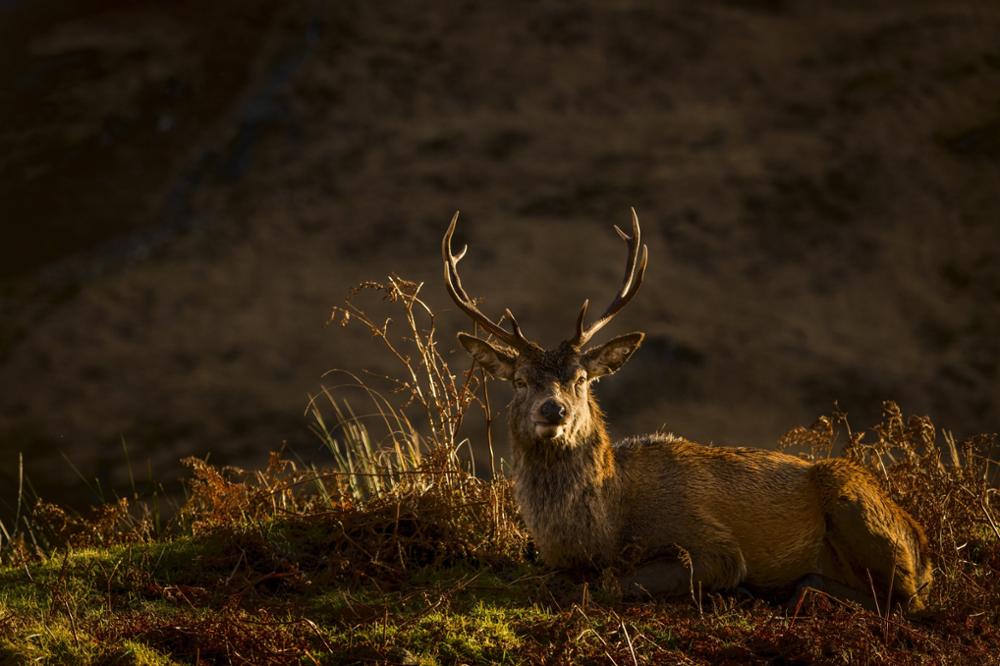
The red deer is one of Scotland's most emblematic animals. It is indeed one of the country's national symbols. Considered the UK's largest land mammal, the males possess antlers that can reach a metre in length. These shed in spring and regrow in summer before serving the famous autumn rut. This is when the breeding season takes place with the hinds.
Where to see red deer in Scotland?
Red deer can be observed in all regions of the country, in mountain forests and moorlands. Among the best places to observe them, one can mention:
the Isle of Arran,
the Isle of Jura,
the Lochaber region,
Torridon,
the Cairngorms National Park, and
Queen Elizabeth Forest Park.
Highland cattle (Highland Cattle or Highland coos)
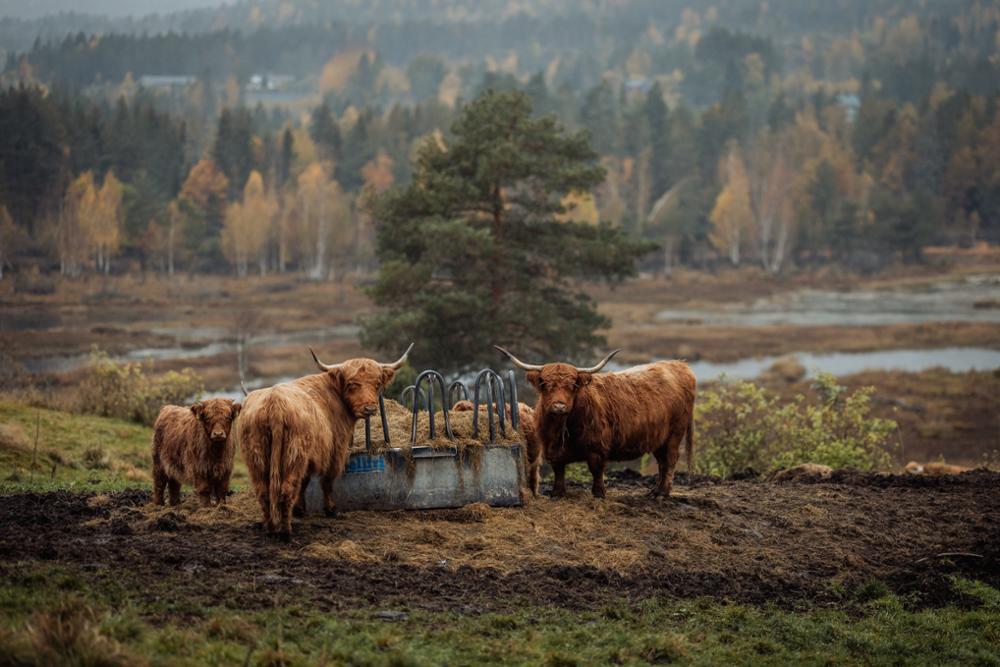
Highland cattle is a Scottish breed of hardy bovines. Originating from the Highlands and the Outer Hebrides of Scotland, it is characterised by long horns, long wavy coats and a distinctive long fringe. As for their colour, it is not always reddish: one also finds grey, yellow, black and brindled coats... In any case, their adorable and ultra-photogenic look makes them a true national mascot!
Where to see Highland cattle in Scotland?
Used for their milk and meat, Highland cattle can be observed in various pastures throughout the country. To see them for certain, visit:
Bealach na Bà, a coastal road and former drove road that connected Applecross and Shieldaig,
North Coast 500: there are many cattle fields, particularly on the section between Thurso and Durness,
Cow Hill: a valley located near Fort William,
Drumbuie Farm: on the north bank of Loch Ness,
Beecraigs Park, west of Edinburgh,
Swanston Farm located at the foot of the Pentland Hills,
Pollock Country Park in Glasgow,
The Jacksons' farm in Jedburgh,
High Airyolland Farm and Kitchen Coos & Ewes, west of Galloway Forest Park…
The Scottish wildcat
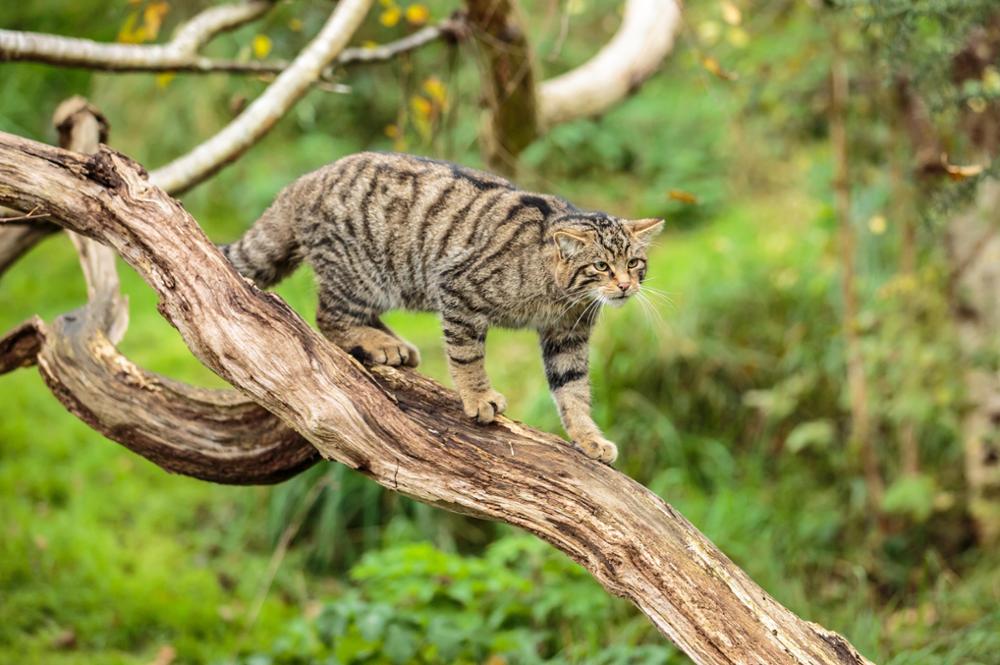
The Scottish wildcat is one of the wildest animals. Unlike the domestic cat, it never allows itself to be approached and prefers to come out at night to hunt. Larger than the domestic cat, it is characterised by a grey/brown coat, black stripes and a bushy tail. Unfortunately, hunting, the deterioration of their natural habitat and the proliferation of domestic cats have led to a decline in its population, making it an endangered species.
Where to see the Scottish wildcat?
Scottish wildcats live mainly in the north of the country, in wooded areas, juniper scrubland and moorlands. With a bit of luck, you may encounter them in the regions of Aberdeenshire, Moray and the Highlands. Alladale Wilderness Reserve is also renowned for harbouring them.
Other terrestrial mammals to encounter in Scotland:
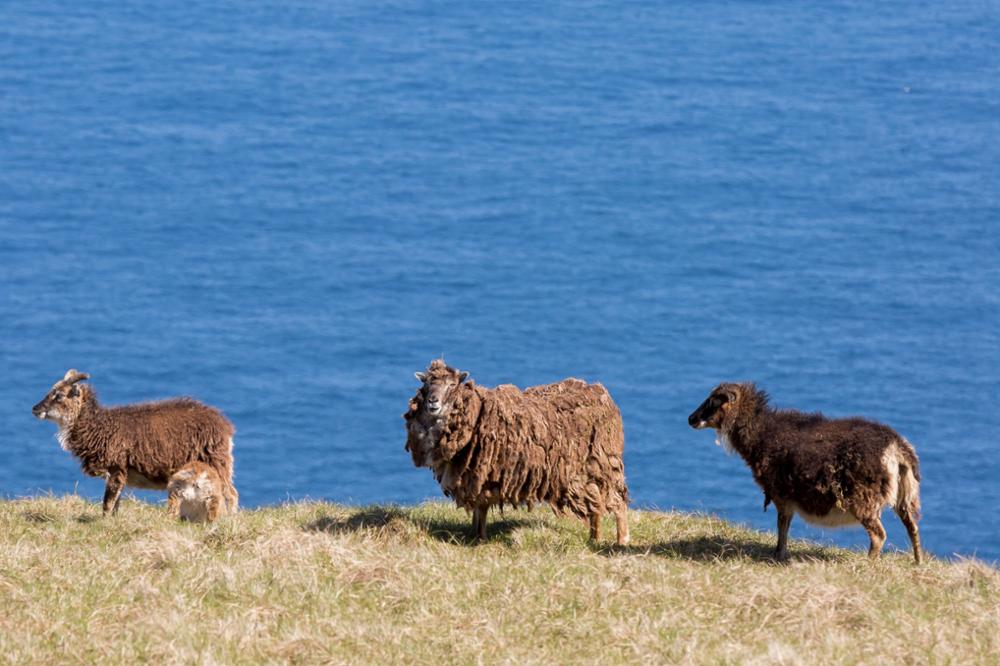
Among the other terrestrial mammals to observe during a stay in Scotland, one can mention:
Stoats,
Pine martens,
Shetland ponies,
Scottish sheep (Soay sheep),
Wild boar,
St Kilda field mouse (endemic subspecies),
Orkney vole (endemic subspecies)...
Marine mammals
Seals
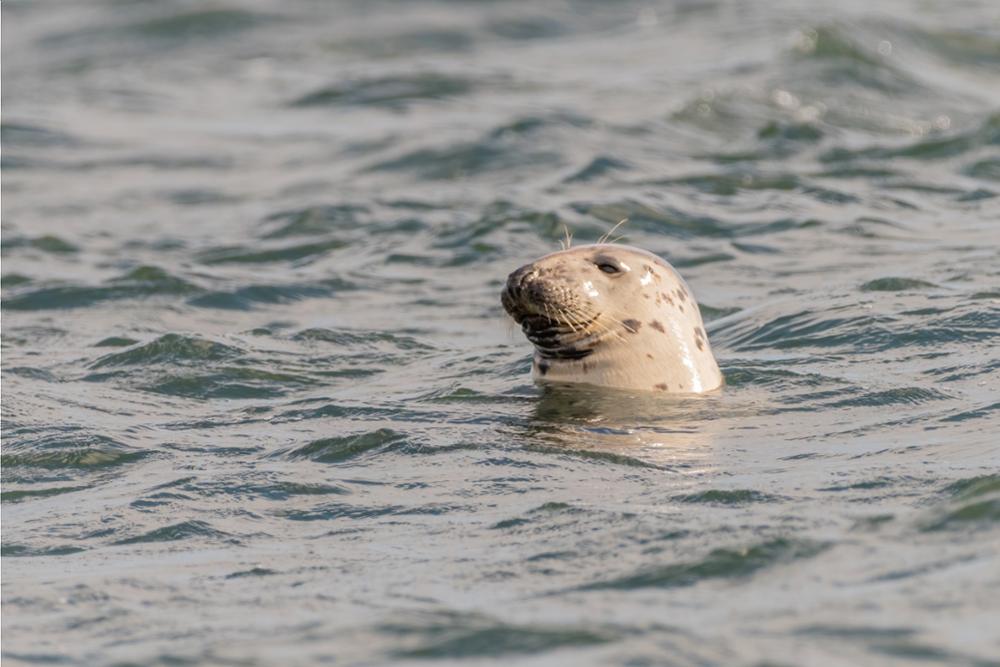
Two seal species are found in Scotland: the grey seal and the harbour seal (also called harbour seal). The former is the larger of the two and is characterised by closed nostrils and a long, deep muzzle. The latter is recognised by a rounded head, V-shaped nostrils and a shorter muzzle. They can be observed throughout the year, although autumn months are the ideal time to spot the pups!
Where to see grey seals and harbour seals in Scotland?
Grey seals and harbour seals can be observed offshore, particularly on the west coast, at the Hebrides, the Orkney Islands and Shetlands. Among the best observation spots are:
Moray Firth,
the estuary of the Tay (between Dundee and Fife),
Ythan (Aberdeenshire),
the Isle of May (off the East Neuk of Fife).
The European otter
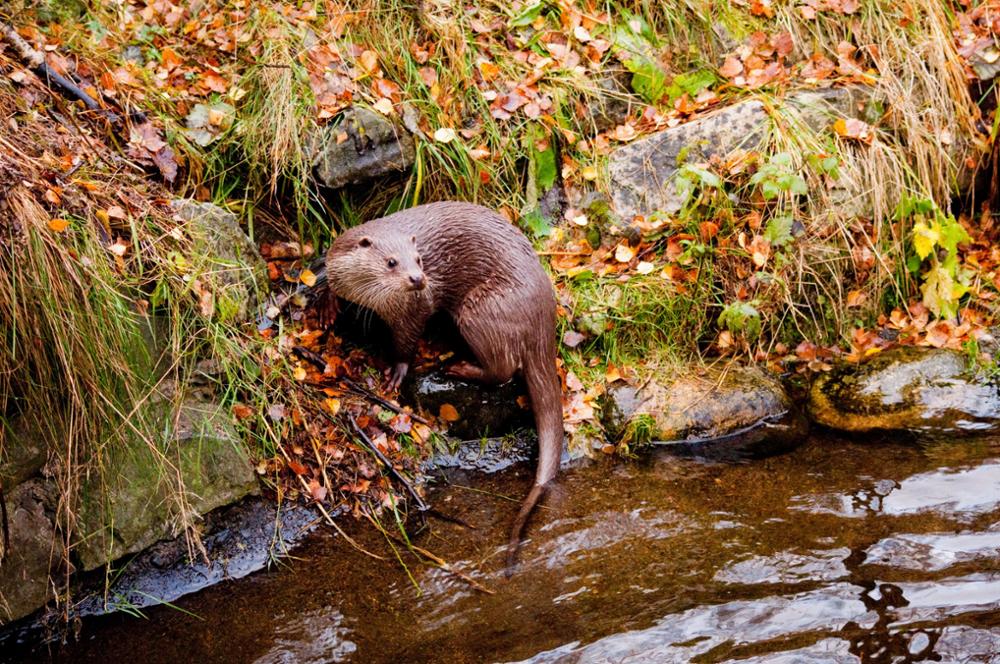
The European otter is one of the most amusing animals to see during a stay in Scotland. These adorable creatures have tiny ears, large whiskers, a square muzzle and a muscular cylindrical and aerodynamic tail. Unlike the sea otter found in the Pacific Ocean, this species requires daily washing in fresh water. They can be observed year-round in Scotland and at any time of day, though they are more active at night.
Where to see otters in Scotland?
European otters inhabit seashores, rivers and Scottish lochs and can be observed along the north and west coasts of the country. They are also found on:
the Shetland Islands, which have the highest density in all of Europe, if not the world,
the Isle of Skye,
the Isle of Mull,
the Isle of Kerrera,
the Isle of Shuna,
the Mallaig coastline,
Moray Firth,
the River Don, which runs through Seaton Park…
The main birds to see in Scotland
The puffin
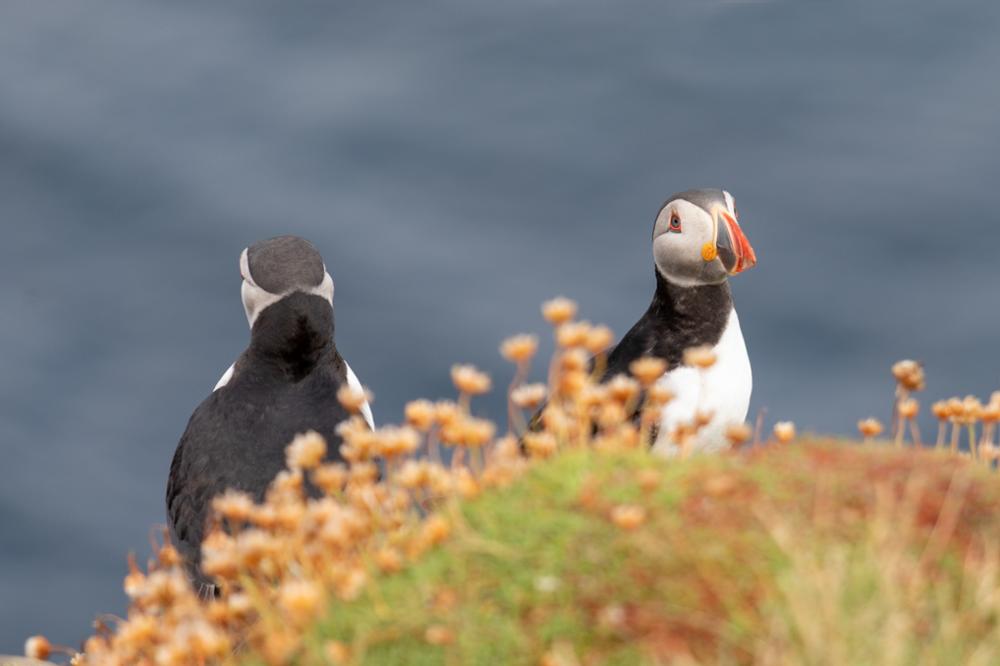
The puffin is one of the most sought-after birds in Scotland. Unique in its kind, it is characterised by black and white plumage, orange feet and a red, black and yellow beak. Its appearance has even earned it the nickname of "sea parrot" or "sea clown". It is a pelagic bird, meaning it spends most of its time on the high seas. It comes ashore only to breed and give birth. At that time, it nests in vast colonies along the coasts and cliffs. In Scotland, they are observed from April to August.
Where to see puffins in Scotland?
Among the best puffin watching spots in Scotland, we recommend:
St Kilda Island, which hosts the country's largest colony,
the Shetland Islands (notably Noss Island and Sumburgh Head),
the Isle of Mull,
the Isle of Staffa,
the Forth Estuary (Bass Rock or the Isle of May National Nature Reserve),
along the cliffs from North Berwick to Berwick-on-Tweed,
along the Galloway coastline to Wick...
The guillemot
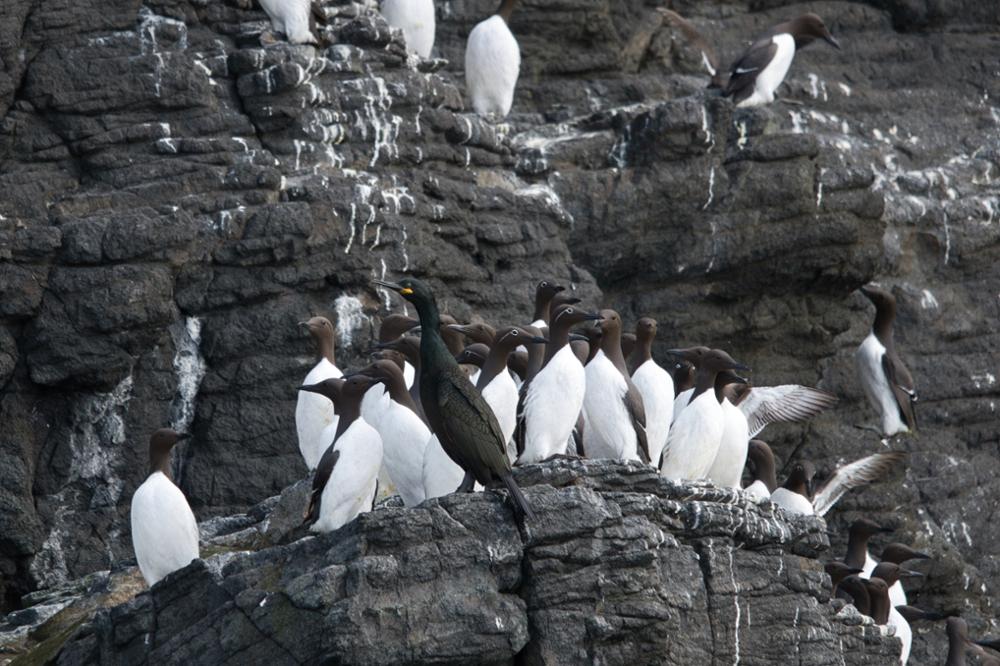
Resembling a penguin more or less, the guillemot is a seabird species that can be encountered on Scottish coasts. It is distinguished by dark brown plumage on top and white underneath. Some individuals have a so-called "bridled" form: a white ring around the eye and a white line stretching behind it. Guillemots normally winter at sea, although some individuals are present year-round. They are more easily observed in spring and summer.
Where to see guillemots in Scotland?
Guillemots can be observed around rocky cliffs and sea stacks. The main colonies are found along the east coast, at the Isle of Handa, the Shetlands and the Orkney Islands.
The northern gannet
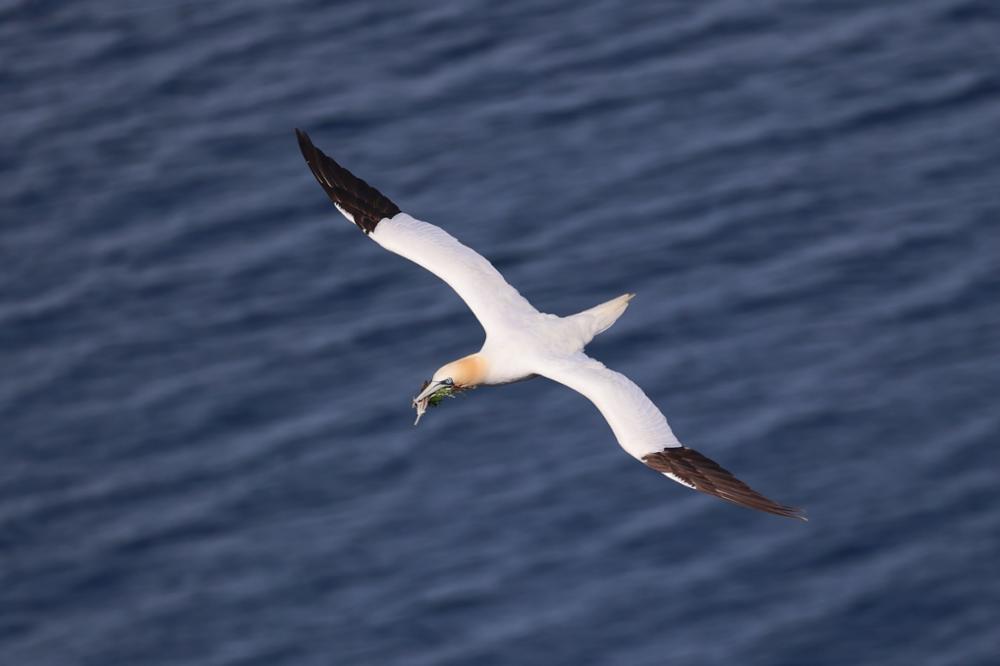
With its brilliant white plumage, head with golden-yellow hues and clear grey eyes ringed with bright electric blue, the northern gannet is one of Scotland's most beautiful seabirds. Measuring between 85 and 90 cm and possessing a wingspan that can reach 180 cm, it is Europe's largest seabird. It is an excellent fisherman renowned for its incredible high-speed dive-bombing performed at 90km/h.
Where to see the northern gannet in Scotland?
Scotland is one of the best places to observe northern gannets. We particularly recommend:
the uninhabited island of Bass Rock, which hosts the largest colony,
Troup Head Nature Reserve,
the Shetland Islands,
St Kilda Island...
The golden eagle
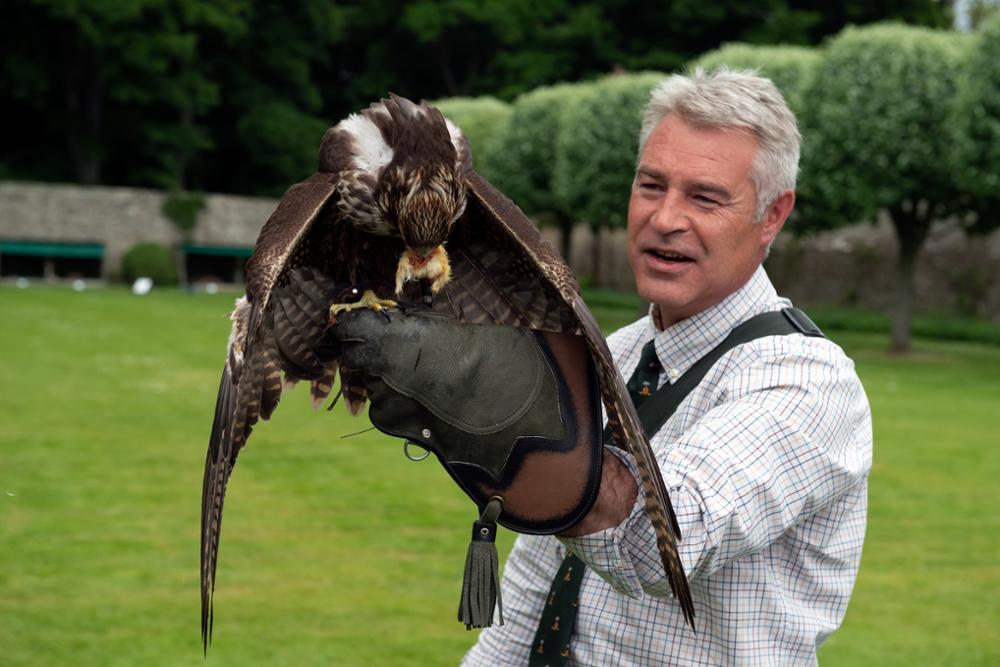
The golden eagle is a bird of prey that impresses with its size, lightning speed and incredible strength. It is the country's largest bird of prey (after the white-tailed eagle). It is distinguished by dark brown plumage on the body and a head with brownish-golden plumage, which earned it the nickname "golden eagle". While the species was threatened a few years ago, the number of individuals is now on the rise in the country.
Where to see the golden eagle in Scotland?
You can see golden eagles in the south of the country, notably in the Moffat Hills. You can also spot them on the Isle of Skye, the Cairngorms National Park in the Highlands, the Shetland Islands or around the Isle of Mull.
The osprey
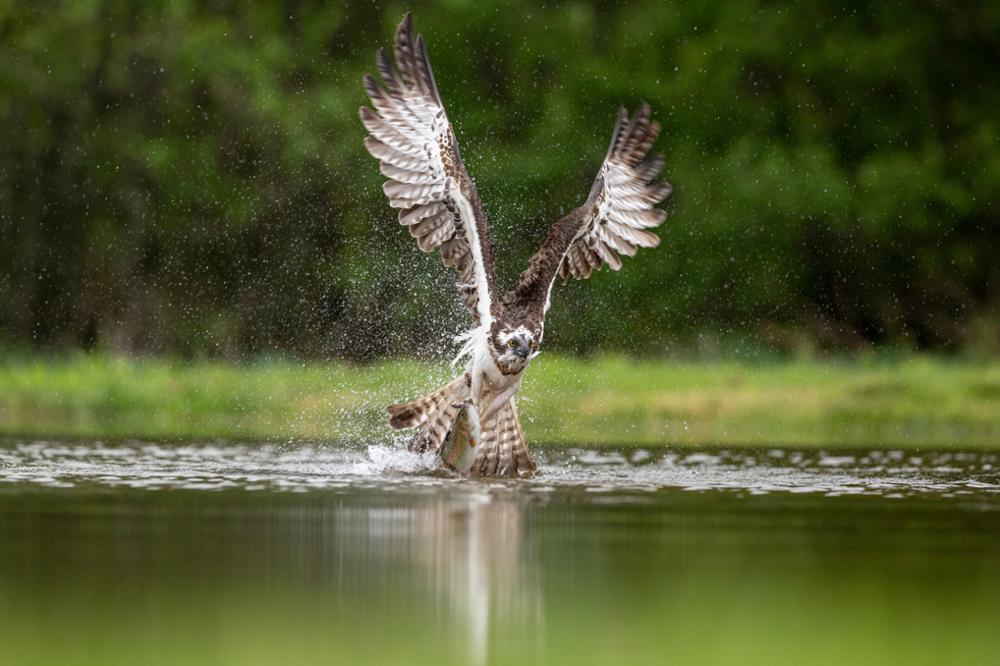
The osprey is a bird of prey species with a slender body and long, slender wings. Its back and wings are dark brown and its underside is white. These are migratory birds as they arrive from North Africa in April before departing at the end of summer (August/September). Unlike most raptors and as its name suggests, it feeds exclusively on fish (saltwater or freshwater).
Where to see the osprey in Scotland?
The osprey can be observed near water in the Highlands. Regulated nesting sites allow you to observe them in hiding or from a distance (using cameras). For this, head to the Scottish Wildlife Trust site at Loch of the Lowes in Perthshire, or the Rothiemurchus Estate in Speyside.
Other birds to observe in Scotland:
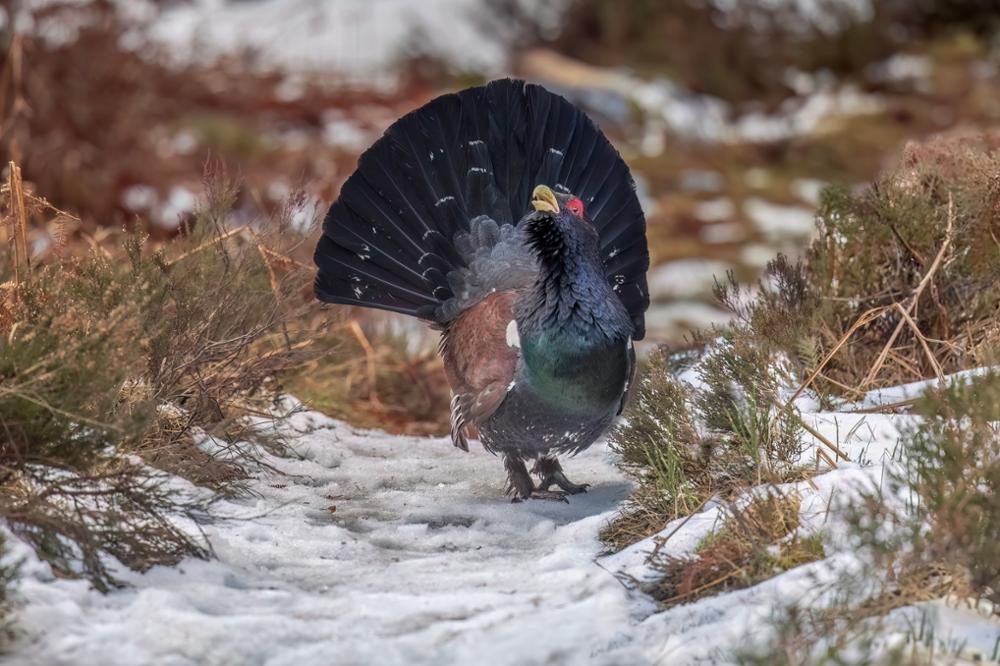
Scotland is a must-visit destination for a birding trip. Among the other bird species to see during a stay, one can mention:
Red grouse (or Scottish ptarmigan),
Black grouse,
Ptarmigan (or alpine ptarmigan),
Capercaillie,
Arctic tern,
Great skua,
Northern fulmar,
Eurasian dotterel,
Red-necked grebe,
White-tailed eagle,
Peregrine falcon,
Short-eared owl,
Barn owl...
The emblematic cetaceans to see in Scotland
Dolphins
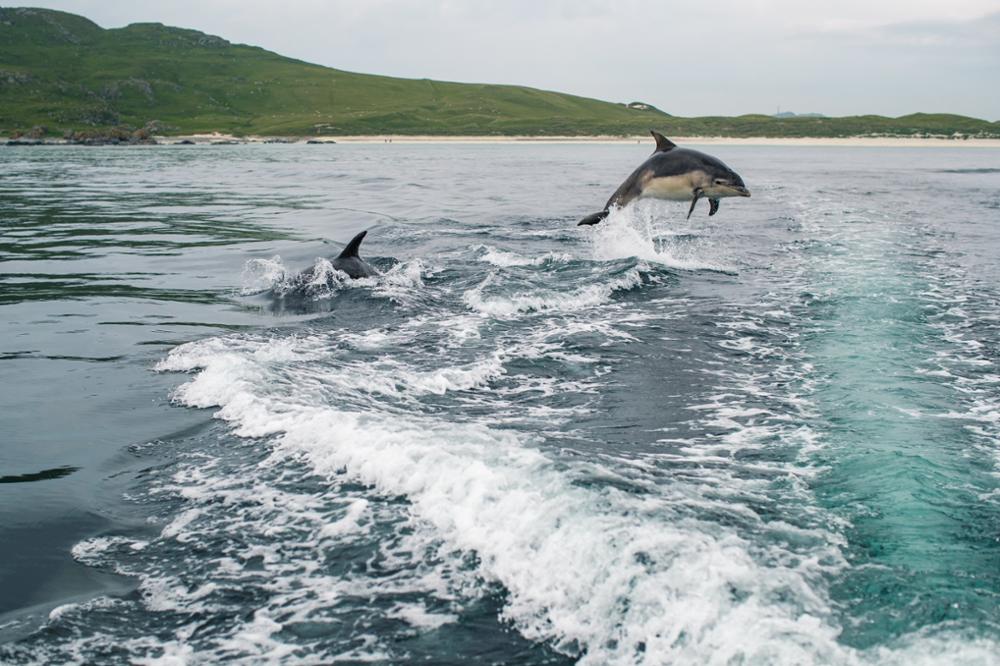
Scottish waters are home to many dolphin species, among which we find:
Bottlenose dolphins,
Common dolphins,
Risso's dolphins,
White-beaked dolphins,
Atlantic white-sided dolphins,
Striped dolphins.
Common dolphins and bottlenose dolphins are the most common and most frequently observed species along the coast. Note that it is easier to see them in summer, when coastal waters provide them with more abundant food.
Where to see dolphins in Scotland?
To put all the odds in your favour, here are the best spots to see dolphins in Scotland:
Chanonry Point at Moray Firth,
Spey Bay: take the opportunity to visit the Scottish Dolphin Centre,
the Isle of Skye,
the Isle of Mull,
the Applecross peninsula,
the Ardnamurchan peninsula...
The killer whale (or orca)
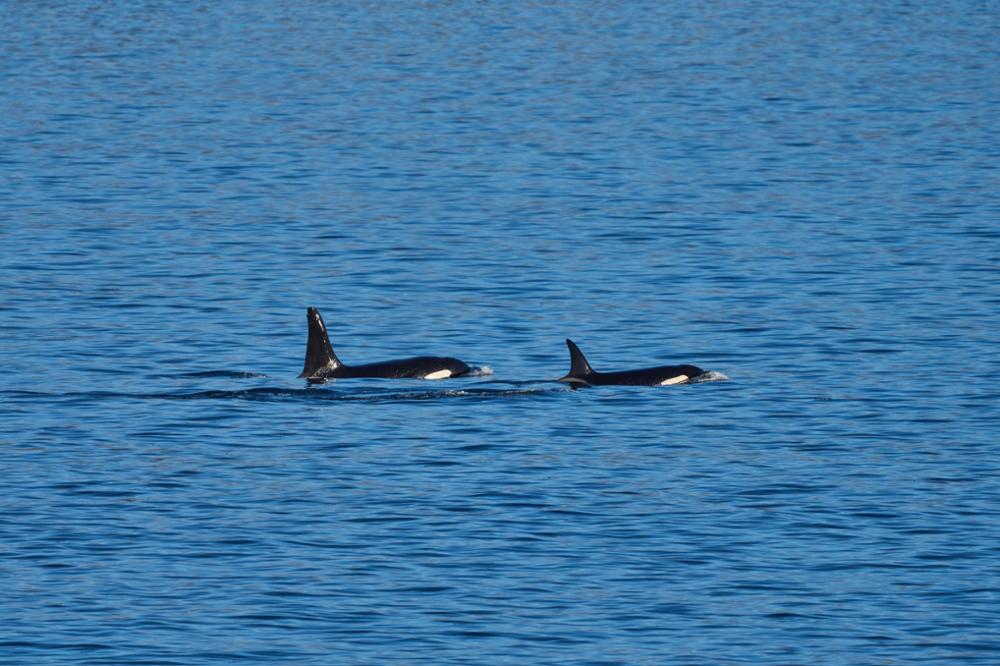
Also known as a killer whale, the orca is one of the most anticipated marine creatures off Scottish coasts. While most orcas are migratory species, there is a small group of individuals residing off the country's west coast. These only approach the coast to feed, notably from late spring into summer. The best time to see orcas in Scotland is between May and August.
Where to see orcas in Scotland?
The best places to see orcas in Scotland are:
the Shetland Islands,
the Caithness coastline,
the Orkney Islands,
the Isles of Lewis and Harris,
the Shiant Islands (Outer Hebrides),
the Small Isles off Ayrshire...
The minke whale
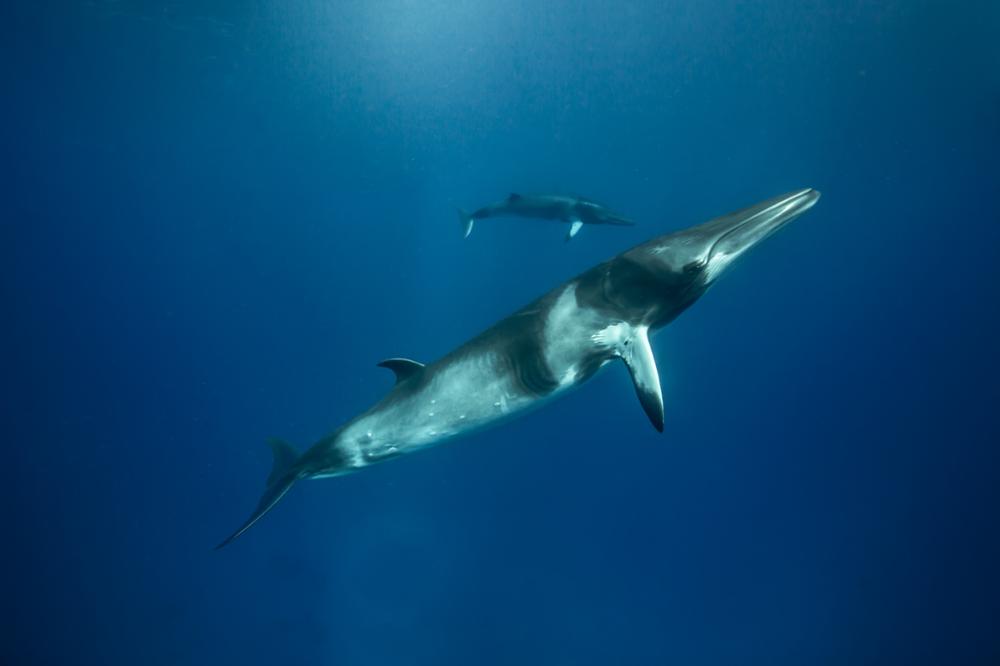
(MAY – OCTOBER)
Also called the lesser rorqual, the minke whale is one of the most prevalent whales in Scottish waters. Recognisable by its torpedo-like shape, it can reach 10 m in length and weigh between 5 and 8 tonnes. Again, this is a migratory species, although there are year-round resident groups. It is during summer that you will have the best chance of seeing them, when they come to feed on fish, plankton and crustaceans.
Where to see the minke whale in Scotland?
Here are the best places where minke whales (or lesser rorquals) are most frequently spotted in Scotland:
Moray Firth,
the Isles of Lewis and Harris, along the Minch strait,
the Gairloch coastline,
the Inner Hebrides (Isle of Skye and Isle of Mull)…
Other sea creatures to discover in Scotland:
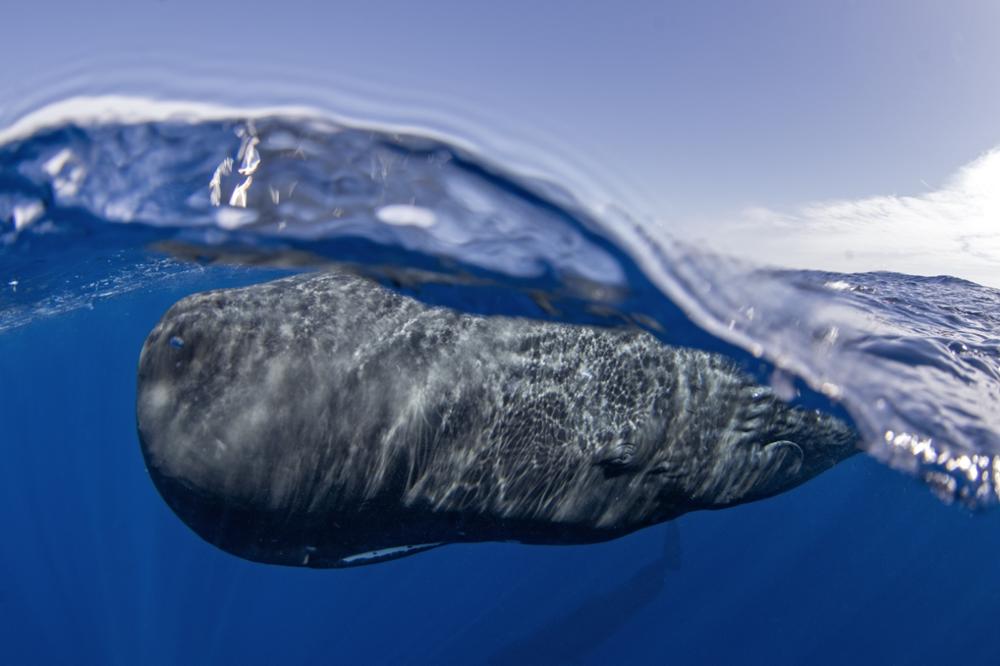
In addition to dolphins, orcas and minke whales, Scottish waters are home to many marine creatures such as:
Harbour porpoise,
Common rorqual,
Sei whale,
Basking shark,
Humpback whale,
Long-finned pilot whale,
Sperm whale,
Beaked whale,
Cuvier's beaked whale,
Ocean sunfish (also called mola mola)...
Would you like to venture off on a journey of discovery of Scottish wildlife? Don't hesitate to contact us to organise your trip and create a bespoke itinerary tailored to your wishes and budget!
Frequently asked questions
The ideal period varies depending on the species. Summer (June-August) is the most favourable season for observing dolphins, orcas, whales and seabirds such as puffins. Autumn is perfect for the red deer rut. Winter offers good opportunities to see the mountain hare in white coat. Overall, spring and summer concentrate the highest number of observable species.
Yes, orcas are present in Scottish waters, particularly between May and August. A small resident group frequents the west coast. The best observation zones are the Shetland Islands, the Orkney Islands, the Caithness coastline and the Isles of Lewis and Harris. Specialist boat trips exist in these regions.
Red deer, the UK's largest land mammal, are present throughout Scotland. The best spots are Cairngorms National Park, the Isle of Arran, the Isle of Jura, the Torridon region and Lochaber. The autumn rut period (October-November) is ideal for observing them and hearing them bellow.
Several subspecies are endemic to Scotland or its islands: the mountain hare (indigenous), the St Kilda field mouse, the Orkney vole, and the Scottish wildcat, one of Europe's rarest mammals. The Shetland pony and Soay sheep are also very specific breeds to the Scottish archipelago.
European otters are present year-round in Scotland, particularly on the Shetland Islands, the Isle of Skye and the Isle of Mull. To observe them without disturbing them, remain silent, approach slowly while staying downwind, and use binoculars to maintain a respectful distance. The best times are early morning or late afternoon.
Yes, Scotland is one of Europe's best countries for observing puffins. They are present on the coasts and cliffs from April to August, the period when they come to nest in colonies. Must-see sites are St Kilda Island (the country's largest colony), the Shetland Islands, the Isle of Staffa and the Isle of May National Nature Reserve.