Isle of Mull
Isle of Mull
The second-largest island of the Inner Hebrides, Mull brings together exceptional wildlife, medieval castles and the colourful port of Tobermory, just 45 minutes by ferry from Oban.
Mull is the second-largest island of the Inner Hebrides, off Scotland's western coast. Accessible from Oban by ferry, it combines volcanic cliffs, peatland, medieval castles and some of Scotland's richest wildlife. Its main town, Tobermory, with its colourful waterfront buildings, makes it one of the country's most recognisable island destinations.
Quick practical information
- Access: CalMac ferry from Oban to Craignure (approximately 45-minute crossing); secondary ferry from Lochaline to Fishnish.
- Recommended duration: 3 to 5 days to explore the island thoroughly.
- Car: essential — roads are narrow and single-track, with passing places.
- Clothing: waterproof jacket and walking boots recommended in all seasons.
- Accessibility: limited outside villages; Tobermory has some facilities.
What to see
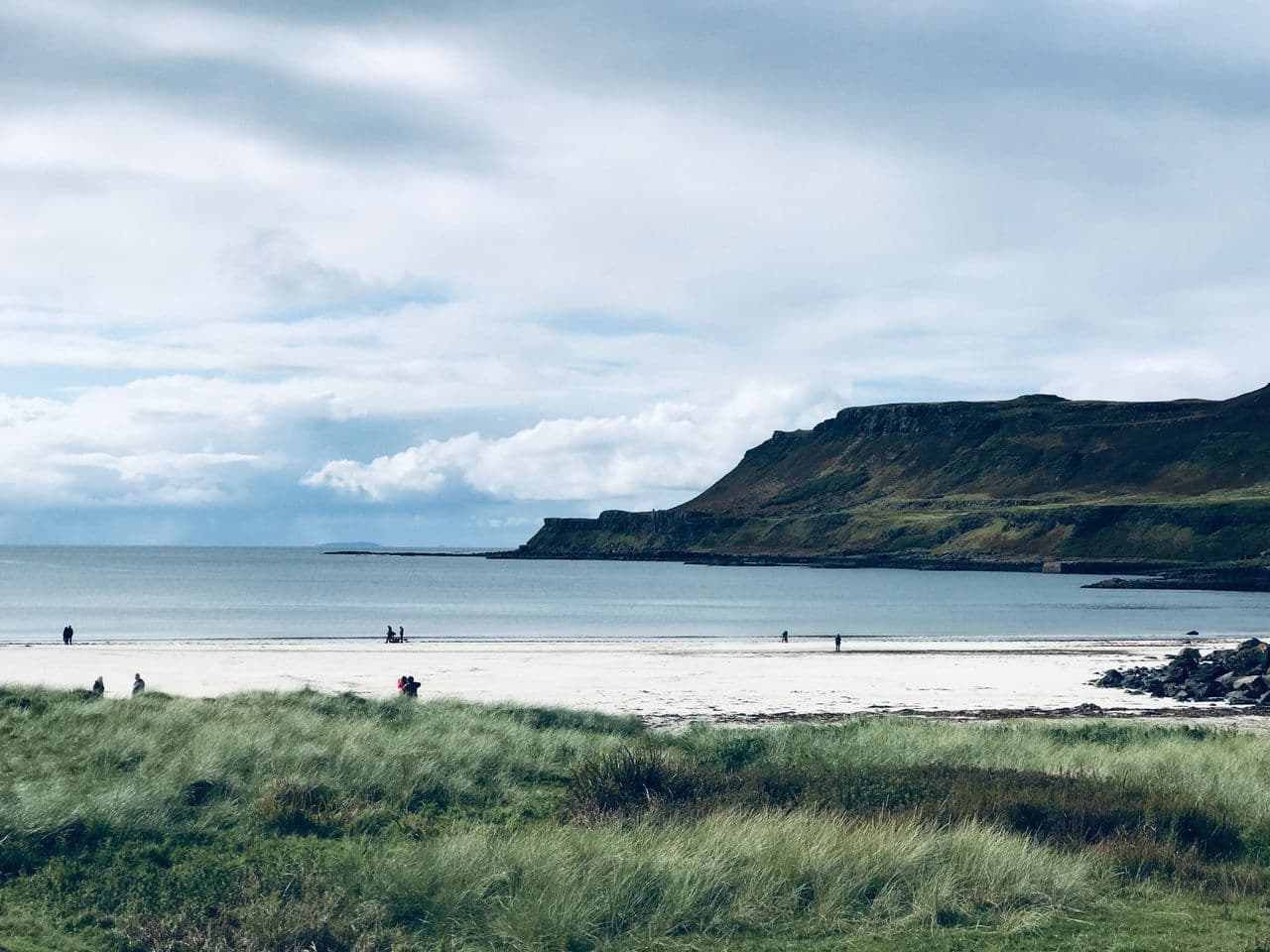
Mull's landscape alternates between jagged coastlines, inland lochs and peaks such as Ben More, the only Munro in the Inner Hebrides. The Ross of Mull peninsula at the south-western tip leads to the ferry to the Isle of Iona. The northern coast offers views over the islands of Staffa and its basalt columns. Golden eagles and white-tailed sea eagles nest on the island, making Mull a premier birdwatching destination.
History and context
Mull has been inhabited since Neolithic times. The MacLean and MacDonald clans fought for control over centuries. Duart Castle, the MacLean stronghold dating from the 13th century, dominates the Sound of Mull from a rocky promontory. The island underwent the Highland Clearances in the 19th century, which drastically reduced its population. Today, it is home to around 3,000 permanent residents.
Highlights of a visit
Tobermory
Tobermory's harbour lines red, yellow, blue and green painted houses along the waterfront. The village is home to fine food shops, a single malt whisky distillery and several seafood restaurants. It's also the departure point for boat trips to Staffa and the Treshnish Isles.
Duart Castle
Perched on a headland at the entrance to the Sound of Mull, Duart Castle has been the seat of Clan MacLean since the 13th century. The interior is open to visitors for part of the year and displays the history of the clan as well as collections of weapons and uniforms.
Isle of Staffa and Fingal's Cave
Accessible by boat trip from Tobermory or Fionnphort, Staffa is famous for its hexagonal basalt columns and Fingal's Cave, whose acoustics inspired Mendelssohn. Puffins nest there in spring and early summer.
Ben More
The only Munro in the Inner Hebrides (over 900 metres), Ben More offers clear views across much of the Western Isles. The ascent from Loch na Keal is demanding and requires appropriate equipment.
Ross of Mull and access to Iona
The road to Fionnphort crosses a peninsula of pink granite and peatland. The ferry to Iona departs from Fionnphort; the crossing takes just a few minutes. Iona is home to a restored medieval abbey, a major Christian pilgrimage site.
Photography tips
Tobermory's waterfront is most photogenic in late afternoon, when raking light illuminates the colourful facades. For eagles, quiet mornings near Loch Frisa offer the best chances. Fingal's Cave is photographed from the boat or from the basalt columns at low tide. Sunsets over Ross of Mull, with Iona's silhouette in the background, are particularly striking.
Location and access
Mull lies in Argyll, on Scotland's west coast. The main entry point is the CalMac ferry between Oban and Craignure. From Glasgow or Edinburgh, Oban is accessible by train or car. Once on the island, car hire remains the most practical means of transport; a local bus service connects the main villages but is limited. The island of Iona is accessible from Fionnphort, at Mull's western tip.
Nearby attractions
- Isle of Iona — medieval abbey and white sand beaches, accessible by a few minutes' ferry from Fionnphort.
- Oban — port town nicknamed the "capital of the West Highlands", ferry departure point and distillery centre.
- Isle of Staffa — basalt columns and Fingal's Cave, accessible by boat trip.
- Treshnish Isles — uninhabited archipelago, nature reserve with colonies of puffins and seals.
Frequently asked questions
May to September for the most clement weather and longest days. May and June are ideal for spotting puffins at Staffa and eagles. July-August are the busiest months; book your ferry in advance.
Yes, especially in summer and if travelling with a vehicle. CalMac offers online booking; car spaces are limited on each crossing.
It's possible but very tight. Organised day trips from Oban cover both islands, but a stay of at least two nights on Mull allows for a much more satisfying visit.
Several local operators offer guided wildlife-watching trips. The Loch Frisa area is known for white-tailed sea eagles. Calm mornings increase observation chances.
Most main roads are single-track with passing places. Larger motorhomes may encounter difficulties on certain stretches. Driving carefully and yielding to oncoming traffic is the local rule.
Yes: hotels, B&Bs, self-catering cottages and a few campsites. Tobermory has the majority of options. In high season, book several weeks in advance.
Want to discover this destination?
Our local advisors design your tailor-made trip.