Complete Guide to Scotland
Scotland fits into a compact format: 800 kilometres from north to south, yet with landscape diversity that fully justifies two weeks of travel. From our Edinburgh office, we see travellers arriving for the Highlands who leave with more vivid memories: the low-angle light on Glen Coe in late afternoon, the peat smell of a Speyside distillery, the silence of Harris's white beaches in the Outer Hebrides.
The country is organized around four major regions that we combine according to the length of stay. The Lowlands to the south bring together Edinburgh, Glasgow and the Borders region, with dense urban and literary heritage. The central Highlands offer the emblematic landscapes: Loch Ness, Glen Coe, Cairngorms. The north-west coast and inner islands (Skye, Mull, Iona) concentrate seascapes. Finally, the northern archipelagos, Orkney and Shetland, add a Viking and Neolithic dimension often overlooked.
Two particularities structure the journey. Weather first: variable even in summer, it requires waterproof clothing regardless of season. Distances next: the single-track roads of the Highlands slow progress—expect 50 km/h average real speed. For a first visit, we recommend 10 to 14 days combining Edinburgh, a Highlands loop and the Isle of Skye. Returning travellers often explore the more distant islands or the east coast between St Andrews and Aberdeen.
The regions of Scotland
Each region has its own personality: climate, landscapes, pace of life and ways of traveling. Our local team helps you choose the combination that suits you.
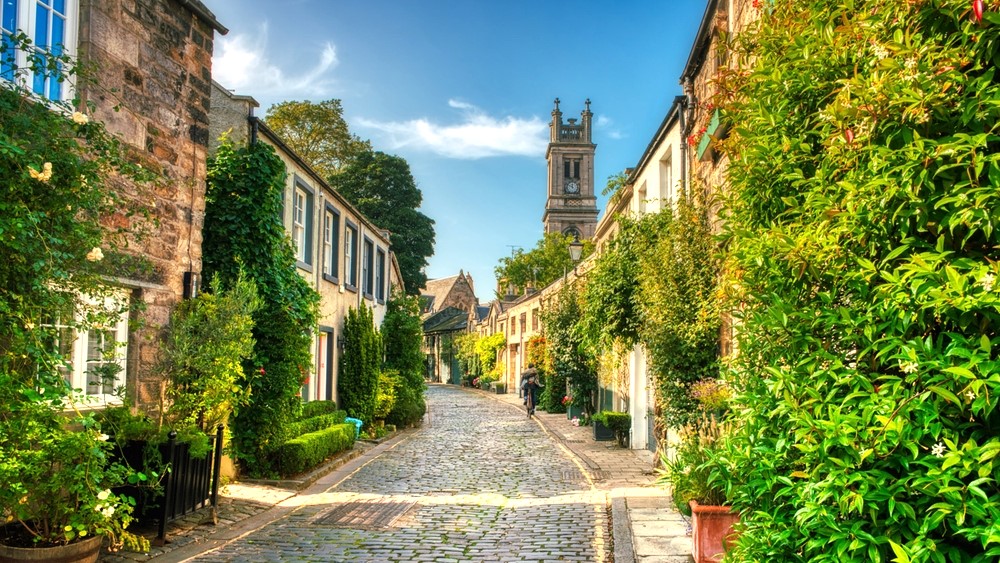
Edinburgh and Lowlands
Edinburgh condenses Scottish history over two kilometres between the castle and Holyrood Palace, along the Royal Mile. The medieval Old Town and Georgian New Town can be explored on foot—plan for a minimum of three days. To the south, the Borders line up with ruined abbeys (Melrose, Jedburgh) and rolling hills, perfect for hiking. Glasgow, 75 km to the west, offers a different artistic and architectural scene, marked by Charles Rennie Mackintosh. Milder climate than the Highlands, temperatures of 15 to 20°C in summer, with frequent brief showers. An ideal region to enter the country without logistical hassle.
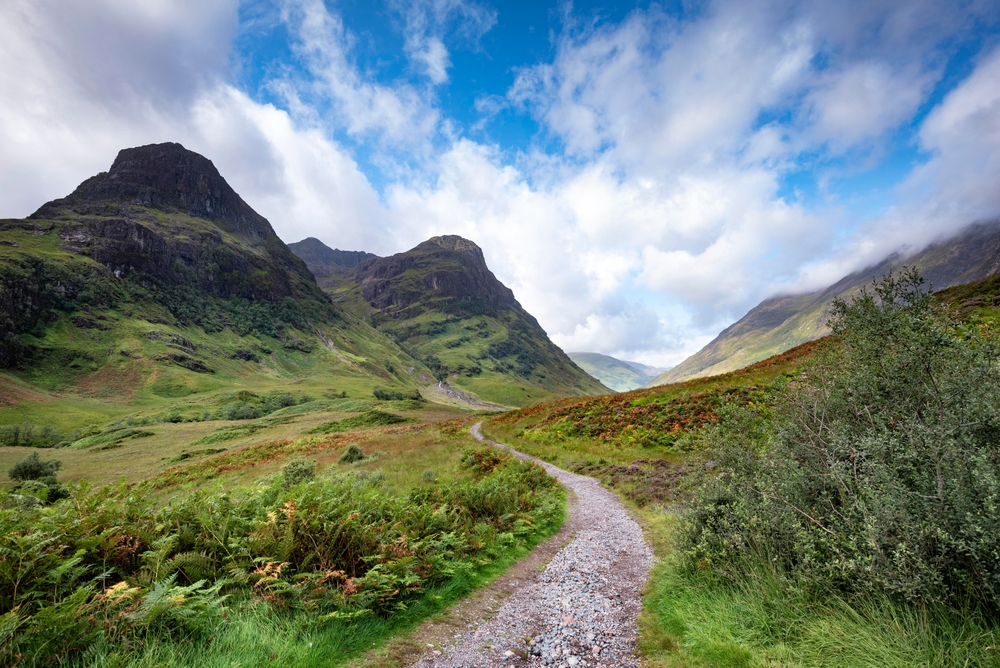
Central Highlands
The wild heart of the country stretches around Fort William, Aviemore and Inverness. Glen Coe remains the most striking passage, with its dark walls and the history of the 1692 massacre. Cairngorms National Park is home to the highest peaks after Ben Nevis (1345 m), with marked hiking trails and lochs accessible by car. Aviemore serves as a base for hiking. Summer temperatures range around 14 to 18°C, with midges active from June to August near watercourses. A four to five-day loop allows you to combine Glen Coe, Loch Ness and Cairngorms.
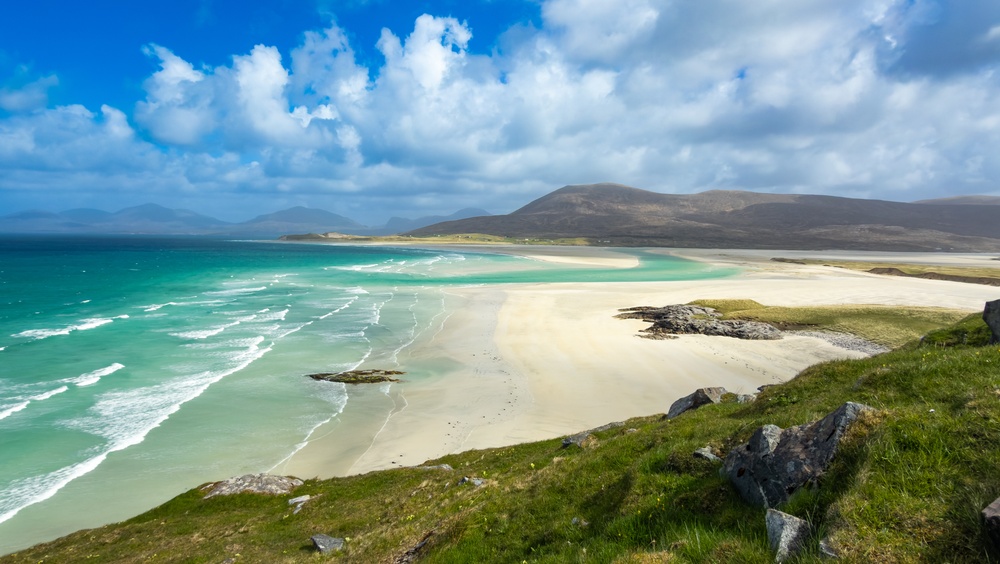
Skye and Hebrides
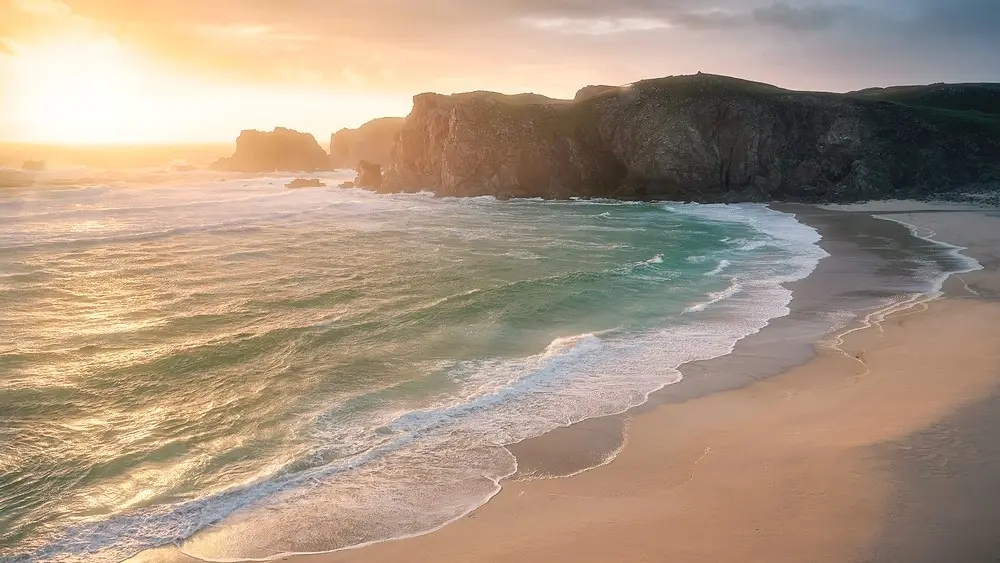
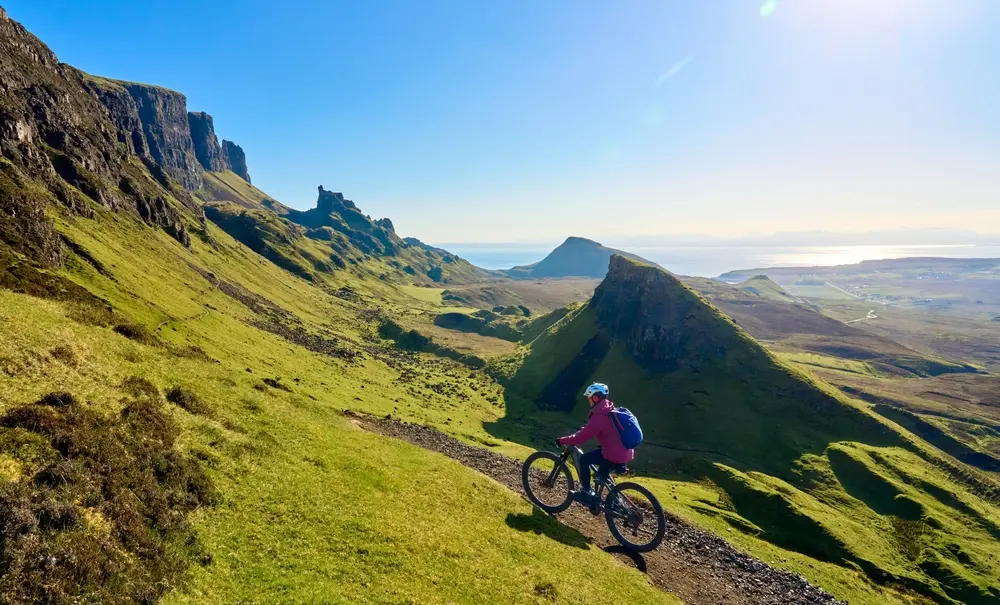
Skye, connected to the mainland by a bridge since 1995, concentrates Scotland's most photographed landscapes: Old Man of Storr, Quiraing, Fairy Pools. Portree, the charming capital with colourful houses, serves as your base. Allow a minimum of three days to avoid rushing through everything. The Outer Hebrides (Lewis, Harris, North Uist) require additional logistical effort, with ferries from Uig or Ullapool, but reward you with deserted white sand beaches and the prehistoric site of Callanish. Expect oceanic climate and constant wind—pack layers even in July.
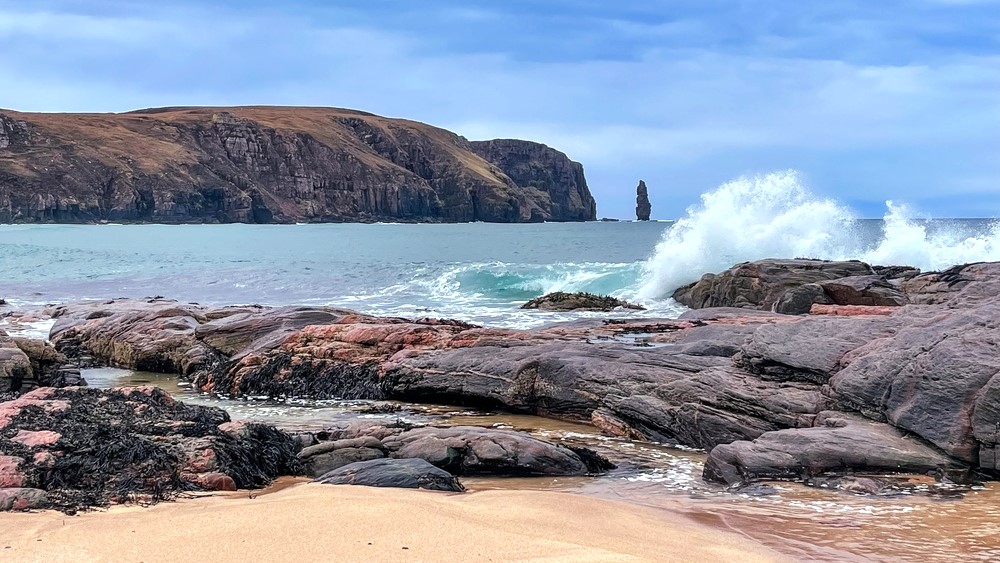
Northwest coast and NC500
The scenic North Coast 500 route loops 800 km from Inverness through Scotland's wildest counties: Sutherland, Caithness, Wester Ross. Achmelvich beaches, the isolated mountains of Assynt, Ullapool fishing port, Duncansby Head cliffs near John o' Groats. Allow seven days for the full loop without rushing. Accommodation is scarce—booking is essential during peak season. Roads are often single-track with passing places. Best visited May to September, as some accommodations close in winter. Ideal for independent travelers who enjoy driving.
East Coast and Speyside
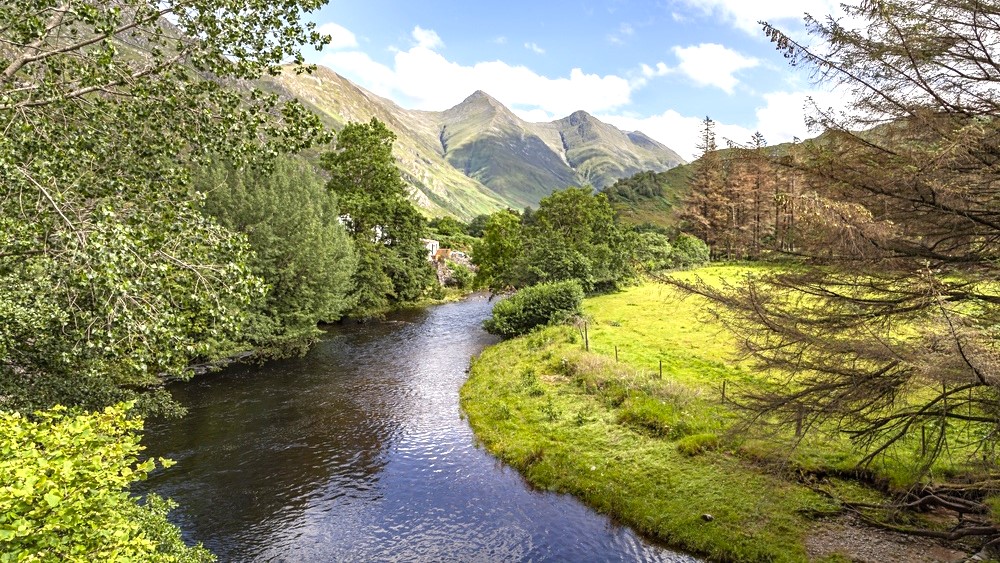
Often overlooked, the east coast between Edinburgh and Inverness passes through St Andrews and its historic golf course, the fishing villages of Fife (Crail, Anstruther), then Aberdeen, the granite capital. The Speyside region inland is home to over 50 single malt whisky distilleries: Glenfiddich, Macallan, Aberlour. Visits must be booked in advance and cost between £15 and £30. Gentler landscapes than the Highlands, with agriculture and forests, and a slightly drier climate. Can be combined with the nearby Cairngorms for a whisky and nature itinerary.
Orkney and Shetland
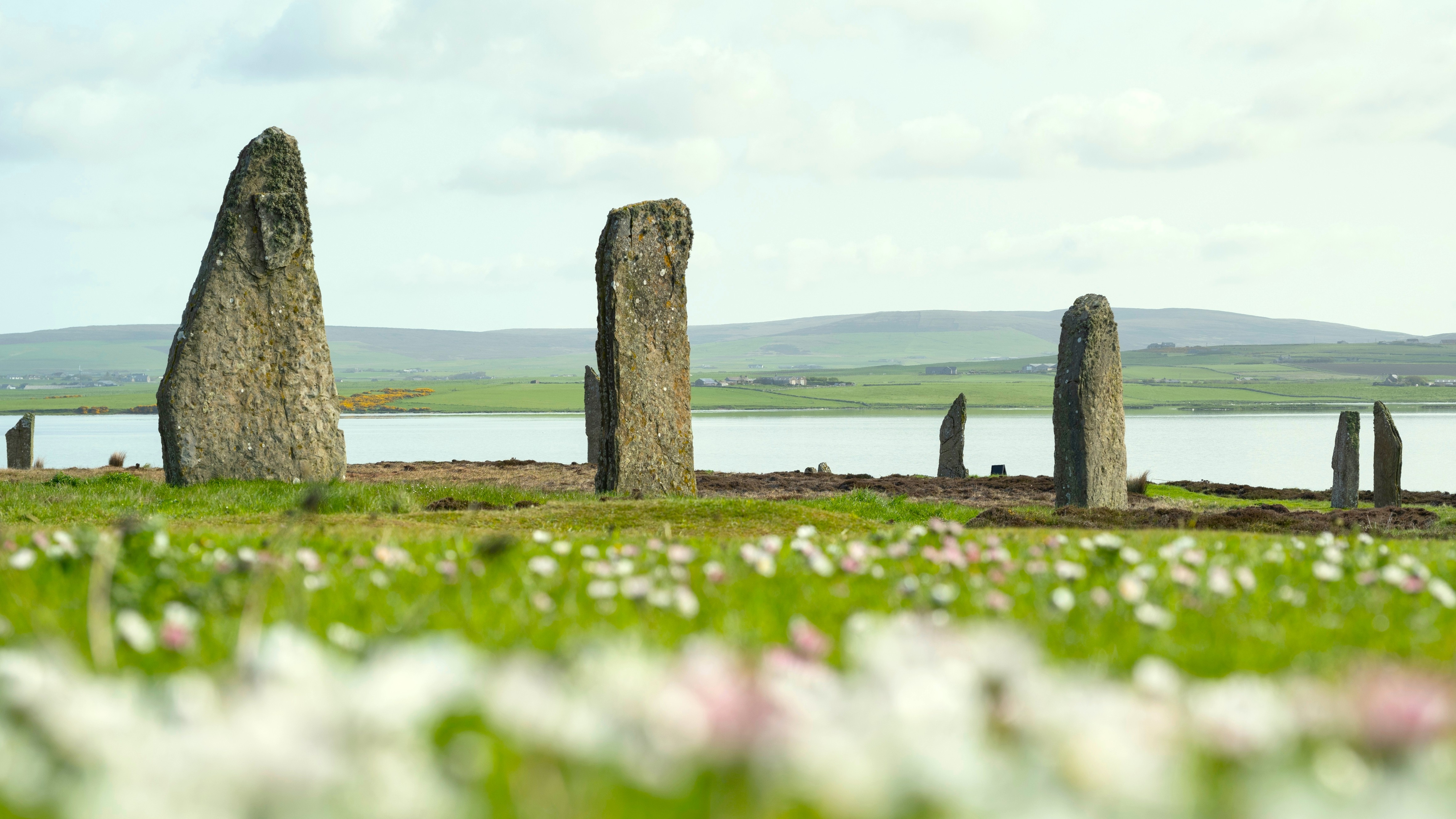
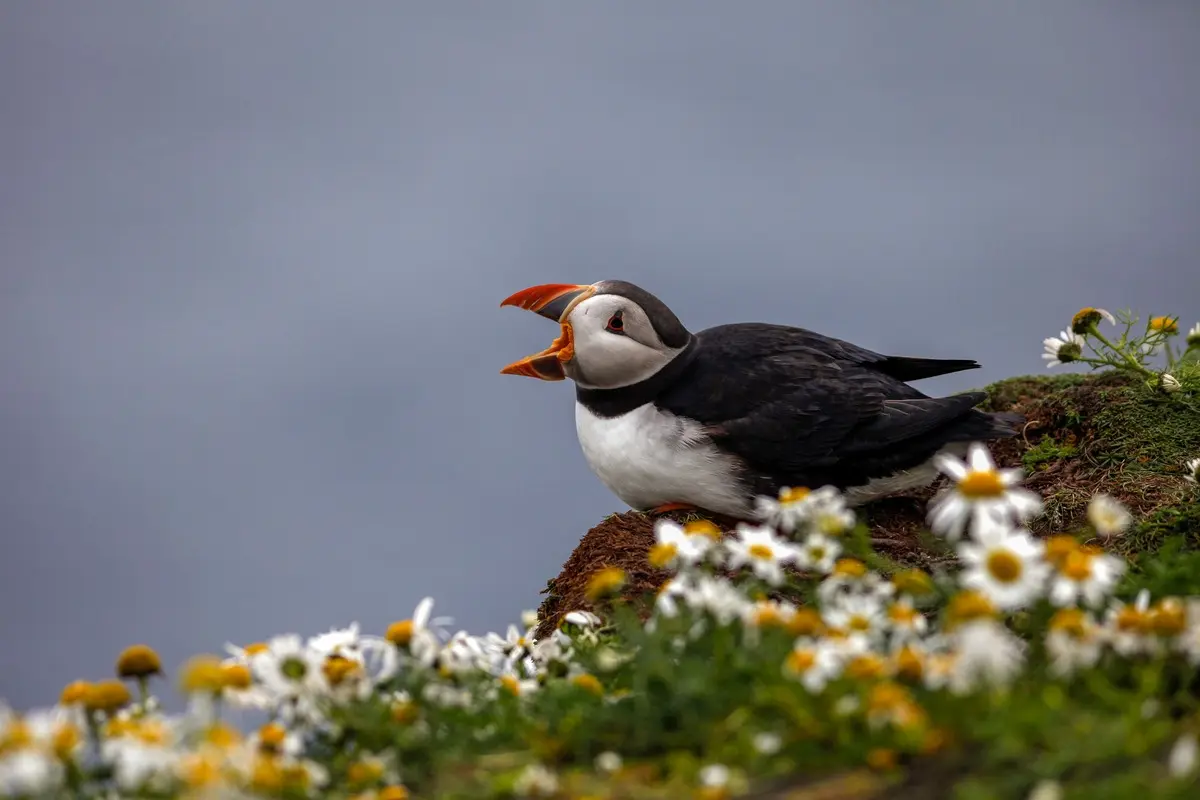
The northern archipelagos are a destination in their own right. The Orkneys, 30 minutes by ferry from Scrabster, are home to Skara Brae (Neolithic village from 3100 BC), the Ring of Brodgar and Kirkwall Cathedral. Further north, the Shetland Islands are reached by overnight ferry from Aberdeen and have a more Scandinavian than Celtic identity: the Up Helly Aa Viking festival in January, ponies, the cliffs of Sumburgh Head and its puffins. Allow a minimum of four to five days, strong winds year-round, cool temperatures even in summer.
Explore by theme
Unique experiences tailored to every traveler.
Culture & Heritage
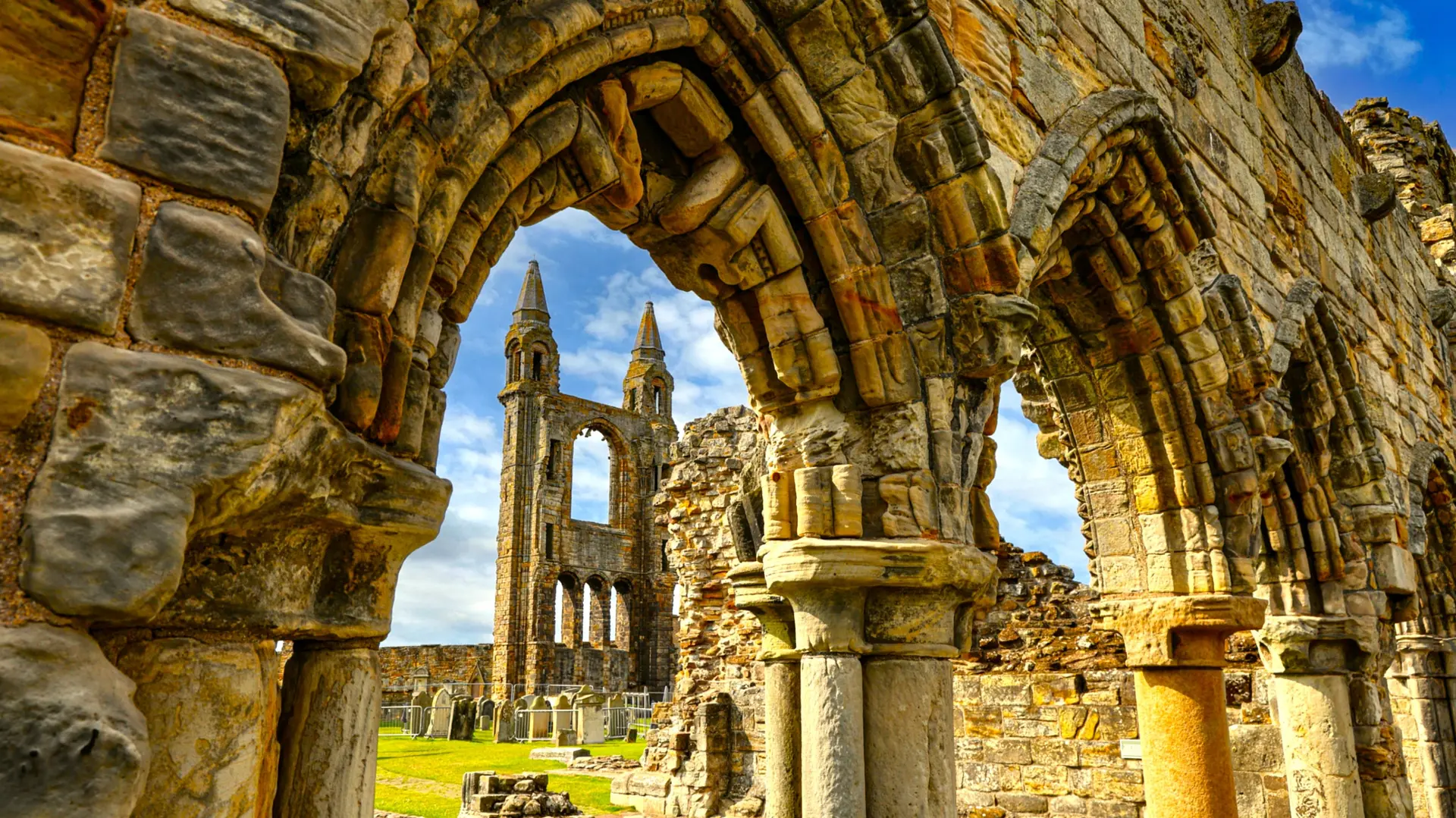
Temples, musées, sites historiques
Nature & Landscapes
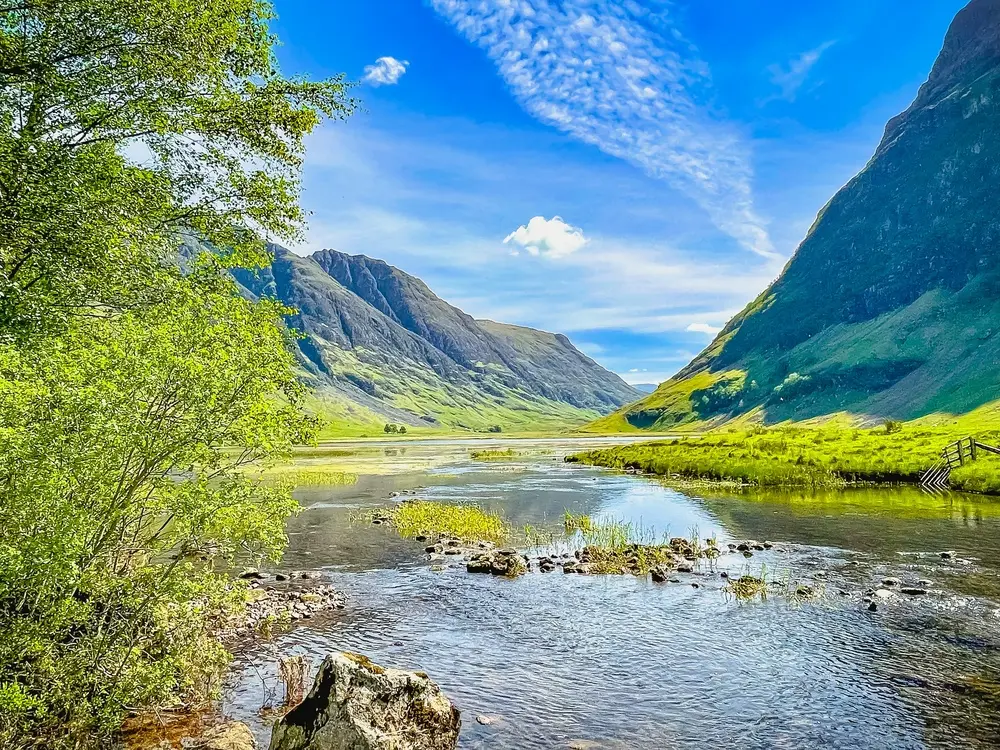
Parcs nationaux, montagnes, forêts
Sea & Beaches
Littoral, îles, sports nautiques
Wildlife & Biodiversity
Observation animale, sanctuaires, réserves
Activities & Adventure
Trek, kayak, escalade, sports outdoor

Gastronomy
Cuisine locale, marchés, cours de cuisine
We use cookies to improve your experience and measure our site's audience. You can choose what you accept. Learn more.