Applecross Peninsula
Applecross Peninsula
In the north-west Highlands, Applecross Peninsula combines the legendary Bealach na Bà pass, coral sand beaches and a preserved fishing village. A highlight of the North Coast 500 route.
Applecross, meaning "The Sanctuary", is a peninsula in the United Kingdom located in the North-West Highlands of Scotland. One of its greatest assets is Applecross Bay, a magnificent and virtually unspoiled sandy beach scattered with rocks. Set course for this unexpected and rare passage in the Highlands, which remains one of the most unforgettable memories of a Scottish getaway.
A journey through Applecross's history
The first settlers of Applecross lived beneath the rock face overlooking Sand 9,000 years ago. Experts working for the Archaeological Society have discovered traces of Applecross's earliest inhabitants.
Applecross is a small, isolated fishing hamlet. Known by its Gaelic name A'Chomraich, it has been considered a sanctuary ever since Saint Maol Rubha brought Christianity here in 673 AD. He is an important figure in the introduction of Christianity to the British Isles. Saint Maol Rubha established his monastery on the peninsula.
However, the Christian period was short-lived, as Viking invaders destroyed the monastery less than a century after its construction. According to historical records, the remains of St. Maelrubha are buried in Clachan cemetery, located in the south-eastern part of the peninsula, between two rounded rocks.
Applecross is also mentioned in history books, particularly during the Middle Ages, thanks to the Earl of Ross. He was instrumental in the unification of Scotland.
Applecross's real economic decline occurred after the First World War. Men returning from war sought greater earnings. They chose instead to seek fortune by migrating to neighbouring cities like Glasgow, or leaving Scotland altogether.
It is since the arrival of the proactive Community Company and new settlers that Applecross has gradually begun to attract the interest of Scots.
Applecross today
The Applecross Peninsula, located in the former county of Wester Ross, projects westward in the shape of an axe blade from the mainland towards the island of Skye and Raasay. Its neck is formed by the single-track road A896 linking Shieldaig to the north and Kishorn to the south. This seaside village resembles an island retreat, due to its extreme isolation and stunning views over Raasay and the hills of Skye.
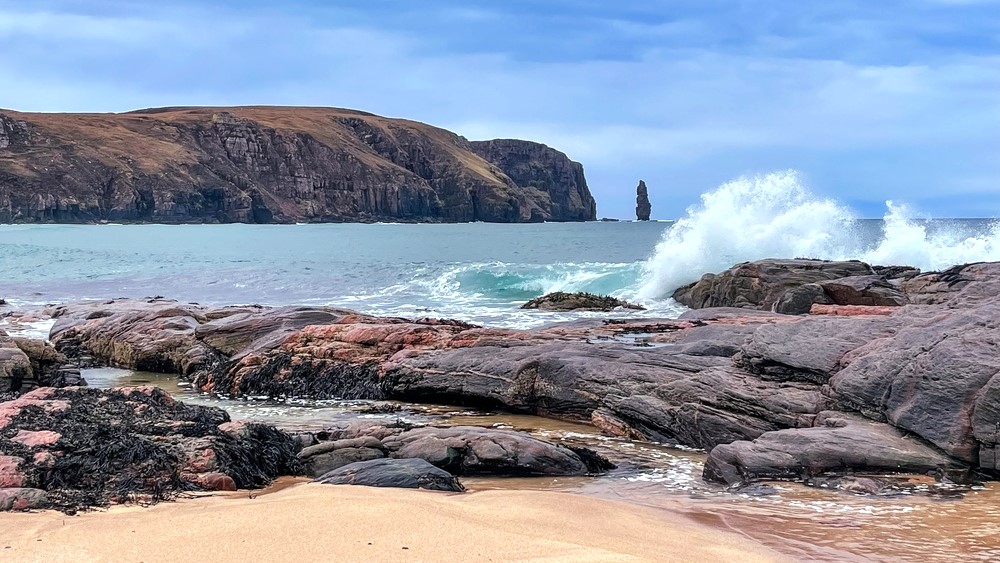
North and south of Applecross stretch beautiful coves of white and coral sand. On one side of the Bealach Na Ba, mountains gradually descend towards the coast, while on the other side, at Kishorn, a breathtaking landscape of glacial cirques unfolds.
Discovering Applecross, the ultimate nature destination of the Highlands
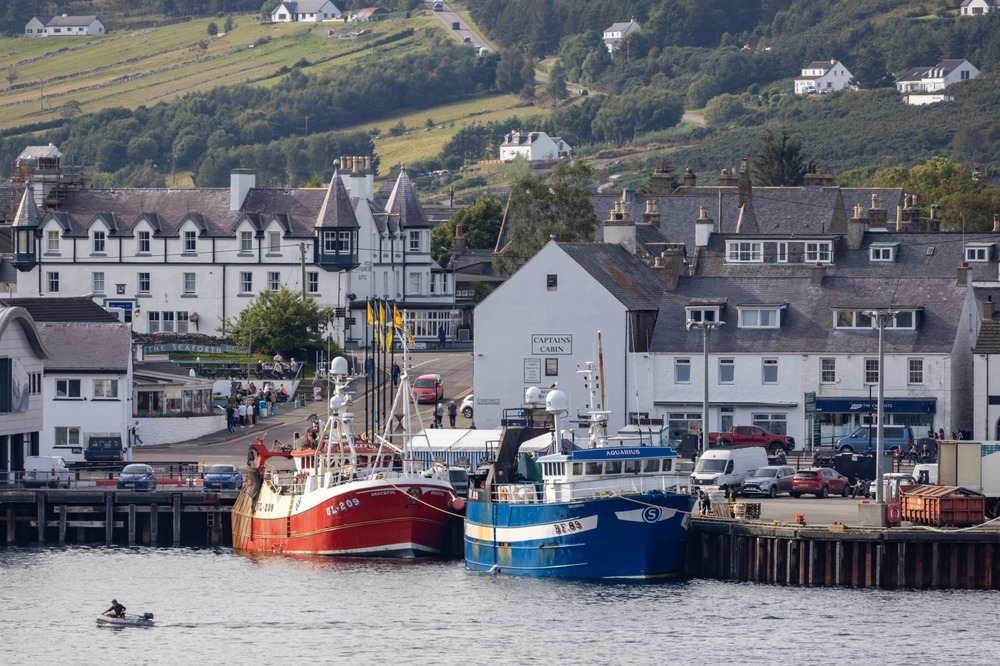
Applecross enjoys a magnificent geographical location between the mountain ranges of the mainland and the Isle of Skye. Its charming little harbour dotted with traditional houses evokes the feeling of a small, lost, forgotten town at the edge of the world.
Here, nature takes precedence over modern infrastructure. Winding roads traverse incredible landscapes, sometimes offering sweeping views of the Atlantic or the mountains.
Along the coastline unfold rocky shores, sea caves, sand dunes and sandy beaches. The white coral cove of Ard Ban is simply sublime and perfect for photography. In fact, the "coral" sand comprises the calcareous remains of several species of red algae forming so-called maerl beds. Regional coastal plants include scurvy grass and oraches.
You also regularly see seals lounging on rocks near Poll Creadha or playing in the waves. Further afield, sea porpoises, mink whales, basking sharks, bottlenose dolphins and white-tailed eagles can be spotted with luck.
In the rivers surrounding the peninsula, freshwater pearl mussels may be encountered. In sheltered coastal areas near freshwater, otters have made their home.
The peninsula's forests are home to foxes, red deer, pine martens, and occasionally wildcats. They also constitute the natural habitat of the Pipistrelle, many bird species (barn owl, great spotted woodpecker, tawny owl, bullfinch, wood sorrel) and Daubenton's bats.
Regarding flora, semi-natural forests shelter wood anemone, lemony wood sorrel, primrose, and more. They also host delicious wild mushrooms, such as chanterelles, hedgehog mushrooms and porcini.
Applecross moorland consists largely of three heather species: ling, cross-leaved heather and bell heather. The ground is covered with insectivorous sundews, aromatic bog myrtle, cotton grasses, marsh orchids, and more.
The climate
Applecross experiences two different climate types: oceanic and tundra. Winters are generally mild, with nights reaching 1.6°C. Summers are cool, with daytime temperatures typically reaching 16.8°C and nights around 10.6°C. Rainfall at Applecross is generally high, totalling 1,876 mm annually. It tends to fall more in winter, approximately 212 days per year. The best time to visit is between May and October, when temperatures are low and rainfall limited.
Applecross is two hours' drive from Inverness airport and railway station.
Reaching Applecross has never been easier, thanks to improved road connections from Inverness and Fort William, not to mention budget flights and the rail link to Strathcarron on the west coast.
Scottish Citylink and Skyeways also offer road networks leading to Kyle of Lochalsh, located near Applecross.
From Inverness
The motorways A9 – A835 – A832 – A890 – A896 lead to the Applecross Pass. You need to drive to Tornapress, where the turn-off to Applecross Pass is signposted.
From Fort William
The motorways A82 – A87 – A890 – A896 lead to the Applecross Pass. Drive to Tornapress where the turn-off to Applecross Pass is indicated.
Want to discover this destination?
Our local advisors design your tailor-made trip.