Ardnamurchan Peninsula
Ardnamurchan Peninsula
At the far western edge of the British mainland, Ardnamurchan unfolds 130 km² of wild coastlines, lochs, beaches and pristine wildlife. Your complete guide to planning an unforgettable road trip.
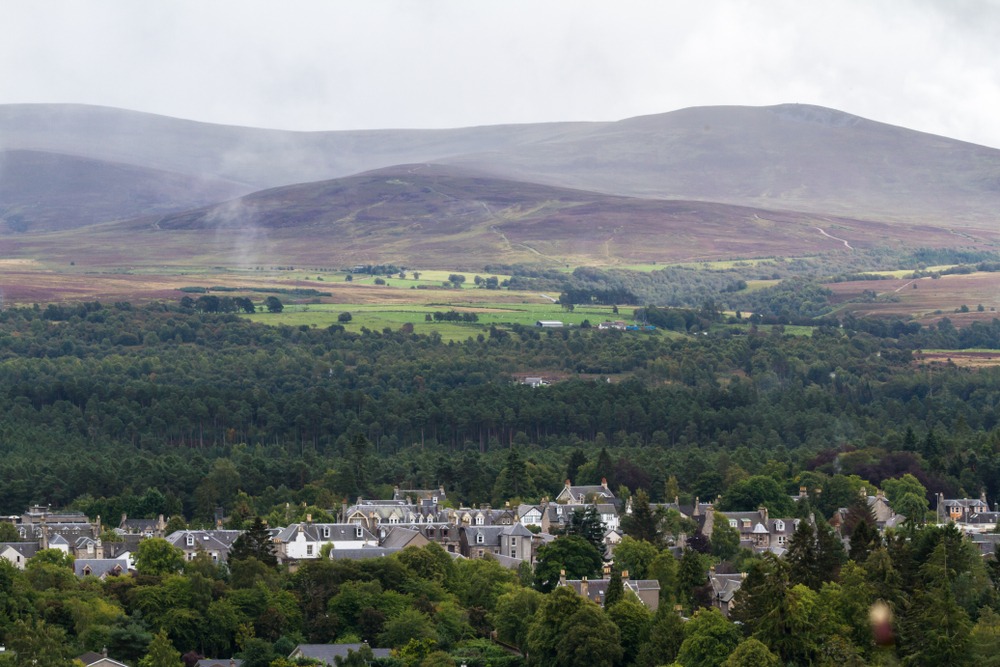
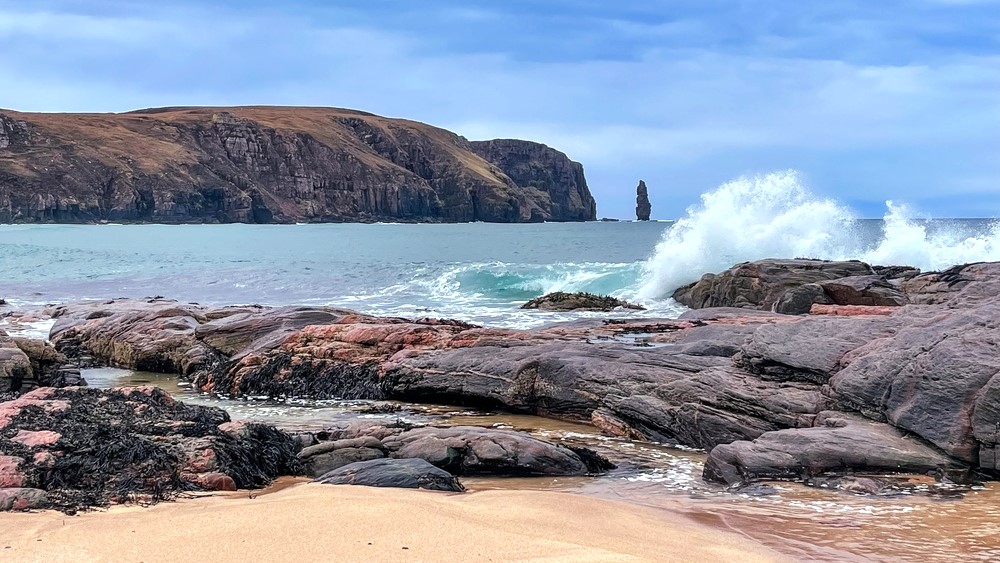
The Ardnamurchan Peninsula embodies the romantic essence of the Western Highlands. A haven for nature enthusiasts, it showcases landscapes of remarkable beauty. Spectacular coastlines, ancient oak forests, scattered stone cottages, weathered mountains rising above wild terrain and stretches of white-sand beaches create an unforgettable panorama. Set course for this peninsula, which captures the very spirit of a wild, untamed Scotland far from the beaten path.
A Rich History
The Ardnamurchan Peninsula carries the weight of ancient history. Evidence suggests that Mesolithic peoples migrated here in nomadic groups around its shores more than 6,000 years ago.
Neolithic settlers later constructed impressive cairns over burial chambers during the following millennium. The Iron Age brought a period of instability, prompting the construction of fortifications around Ardnamurchan's shores.
Vikings arrived on the peninsula during the Middle Ages, viewing Ardnamurchan as a strategic stronghold. From here, they could supervise activity across the surrounding islands of Skye and Mull, as well as the Hebrides. Many small settlements on Ardnamurchan today bear names of Norse origin—a lasting legacy of this era.
By the mid-13th century, the Scottish warrior Somerled expelled the Vikings from Ardnamurchan. Though Scottish kings claimed the region, controlling it proved difficult due to frequent clan conflicts.
Following the Jacobite Rising of 1745, Ardnamurchan fell under the Highland Clearances, when many communities were forcibly cleared from the land during this tumultuous period.
Ardnamurchan Today
Ardnamurchan, meaning "Promontory of the Great Seas" in Gaelic, is a Scottish peninsula spanning 130 km². Practically an island unto itself, it occupies the westernmost point of the British mainland. Remote, picturesque and timeless, it stands as one of Scotland's last great wilderness areas.
This West Highlands region, bordering Ardgour, Morvern, Sunart and Moidart, is prized for its unspoiled, untouched character. Its isolation is reinforced by the main access road—a winding, single-track route stretching much of the peninsula's length. Along this drive, moorlands, forests, lochs and beaches continuously unfold.
Wildlife thrives throughout the peninsula, with golden eagles, whales and dolphins among its most impressive inhabitants.
The peninsula's interior is equally rugged and mountainous as any corner of the Highlands. Numerous peaks challenge experienced hikers throughout the region.
Ardnamurchan's geology holds international significance. Heading toward the stunning Sanna Bay, you enter the heart of an immense ancient volcanic crater.
Yet the true crown jewel of Ardnamurchan is undoubtedly Ardnamurchan Point, standing at the westernmost tip of mainland Britain.
A Scottish Gem Worth Exploring
Ardnamurchan extends from the west of Salen to Ardnamurchan Point, where its iconic lighthouse rises 36 metres above the sea.
The northern coast of Ardnamurchan, stretching from Sanna Bay in the west to Kentra Bay to the east, is designated a "national scenic area." Here, rocky coastlines and sandy beaches blend seamlessly—including the famous Singing Sands at Gortenfern and the secluded sandy coves of Ardtoe.
The southern edge encompasses the northern shore of Loch Sunart, the longest sea loch in the Highlands. The loch's spectacular vistas captivate visitors at every turn.
Venturing westward, ancient oak forests emerge, followed by a distillery, a nature trail and a natural history centre.
Beyond the oak forest fringing the loch, as the track rises around Ben Hiant—the mountain dominating the peninsula—lies Camas Nan Geall. From here, the stunning Sound of Mull spreads before you, with views extending to Mull's northern tip and the island of Coll. Open moorland prevails, where eagles soar above the surrounding ridges.
Kilchoan, the westernmost village on the mainland, serves as the peninsula's principal settlement. This charming hamlet houses a shop, café and community centre, with artisan goods filling local market stalls. From Kilchoan, take a small ferry south to Mull, or venture to the picturesque coloured harbour of Tobermory.
Beyond Kilchoan lie Sanna Bay and MacNeil Bay. At the westernmost point of the British mainland, towering above the Hebridean Sea, stands the magnificent Ardnamurchan Lighthouse. On clear days, views from the lighthouse sweep across Mull, Skye and Coll, with the distant contours of the Outer Hebrides faintly visible.
East of the peninsula lies the village of Salen. Here you'll find a charming inn, craft shops, a pier and mooring facilities. To the northeast, the village of Acharacle offers the perfect retreat, boasting a fine-dining restaurant, bakery, shop and an excellent range of accommodation options—from hotels and guesthouses to self-catering properties.
What to Do on Ardnamurchan Peninsula
With a population of roughly 2,000, the Ardnamurchan Peninsula offers endless opportunities for road-trip enthusiasts. This remote paradise is the ultimate destination for those seeking to disconnect from the modern world.
Your itinerary should include Nadurra, the peninsula's former natural history centre. Inside, interactive exhibits showcase the flora and fauna unique to Ardnamurchan.
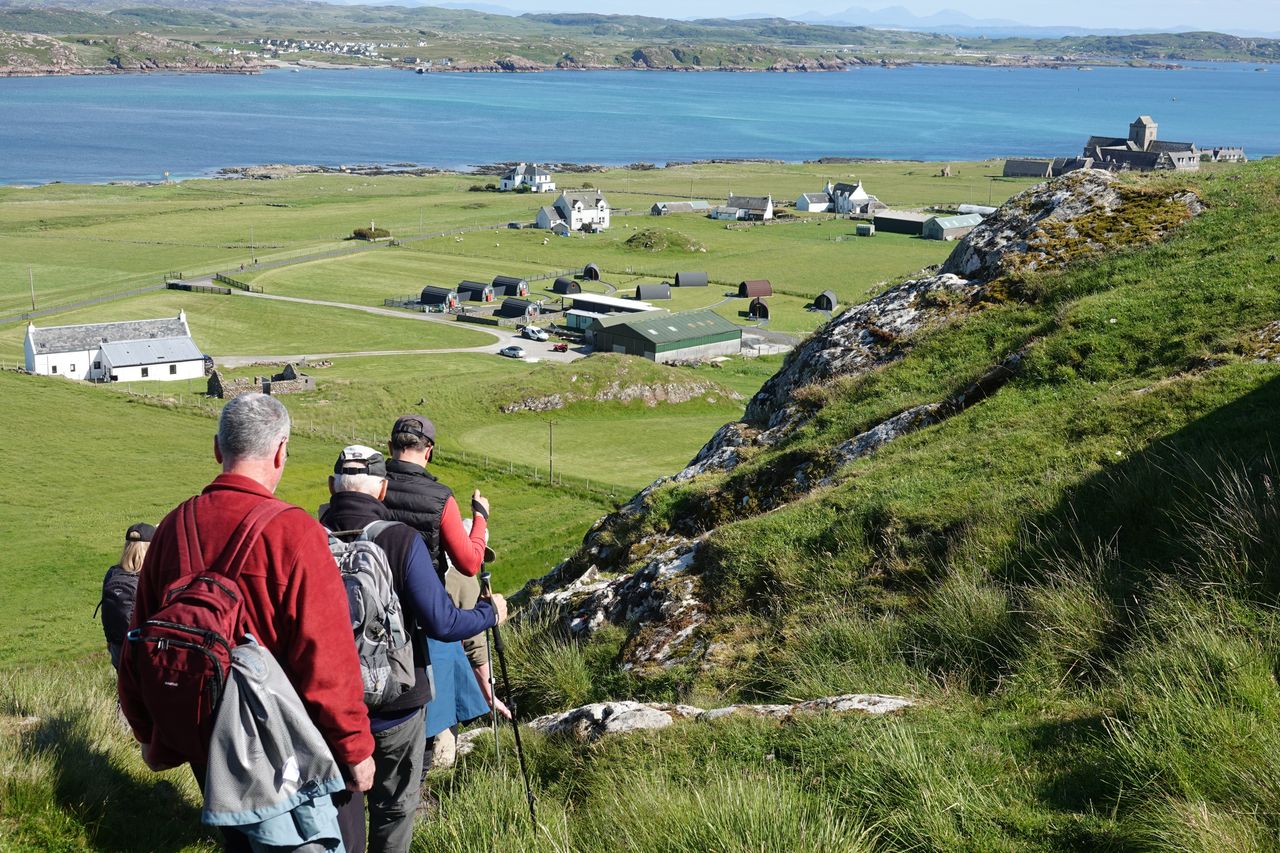
Several rewarding coastal walks punctuate the peninsula, such as the Glenborrodale Nature Trail. Prefer mountain biking? Tackle the 5 km route between Kentra and the Singing Sands.
The fastest way to reach Ardnamurchan is via the Corran Ferry, which crosses Loch Linnhe near Fort William. The crossing takes just 10 minutes, after which you can explore the full length of the peninsula.
To extend your journey to the Isle of Mull, take the Fishnish Ferry from Mull at Lochaline, on the Morvern Peninsula. The crossing takes less than 20 minutes.
Want to discover this destination?
Our local advisors design your tailor-made trip.