4 Scottish Myths and Legends You Need to Know
Ghosts, monsters, spirits, supernatural creatures… Scotland is a destination filled with mysteries that have inspired numerous myths.
Ghosts, monsters, spirits, supernatural creatures… Scotland is a destination filled with mysteries that have inspired numerous myths. To give you an overview, we're taking you through 4 Scottish myths and legends you absolutely need to know before setting off to discover this enchanting and fantastical country…
1. The Loch Ness Monster
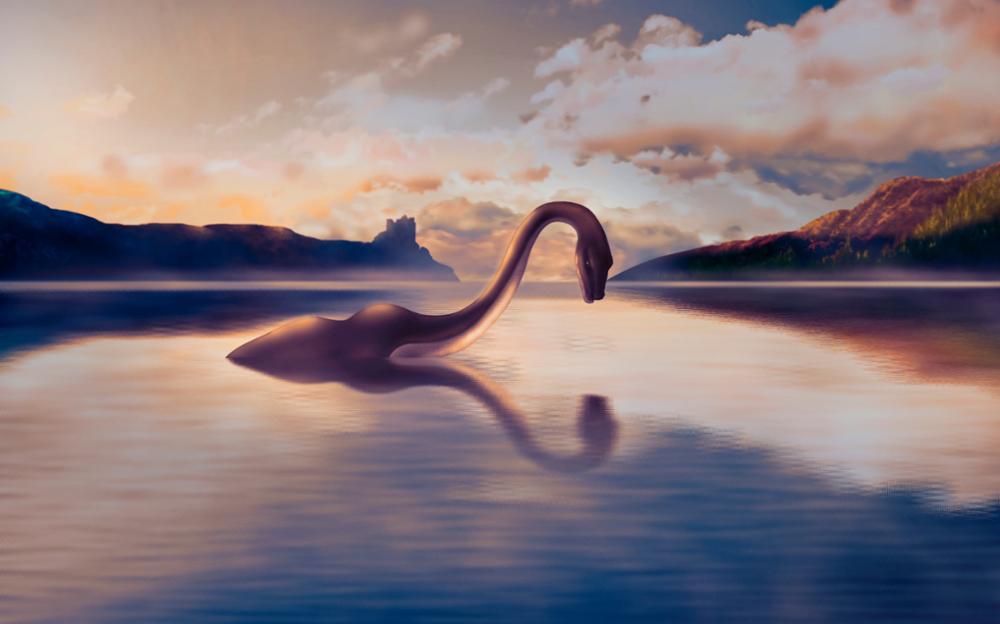
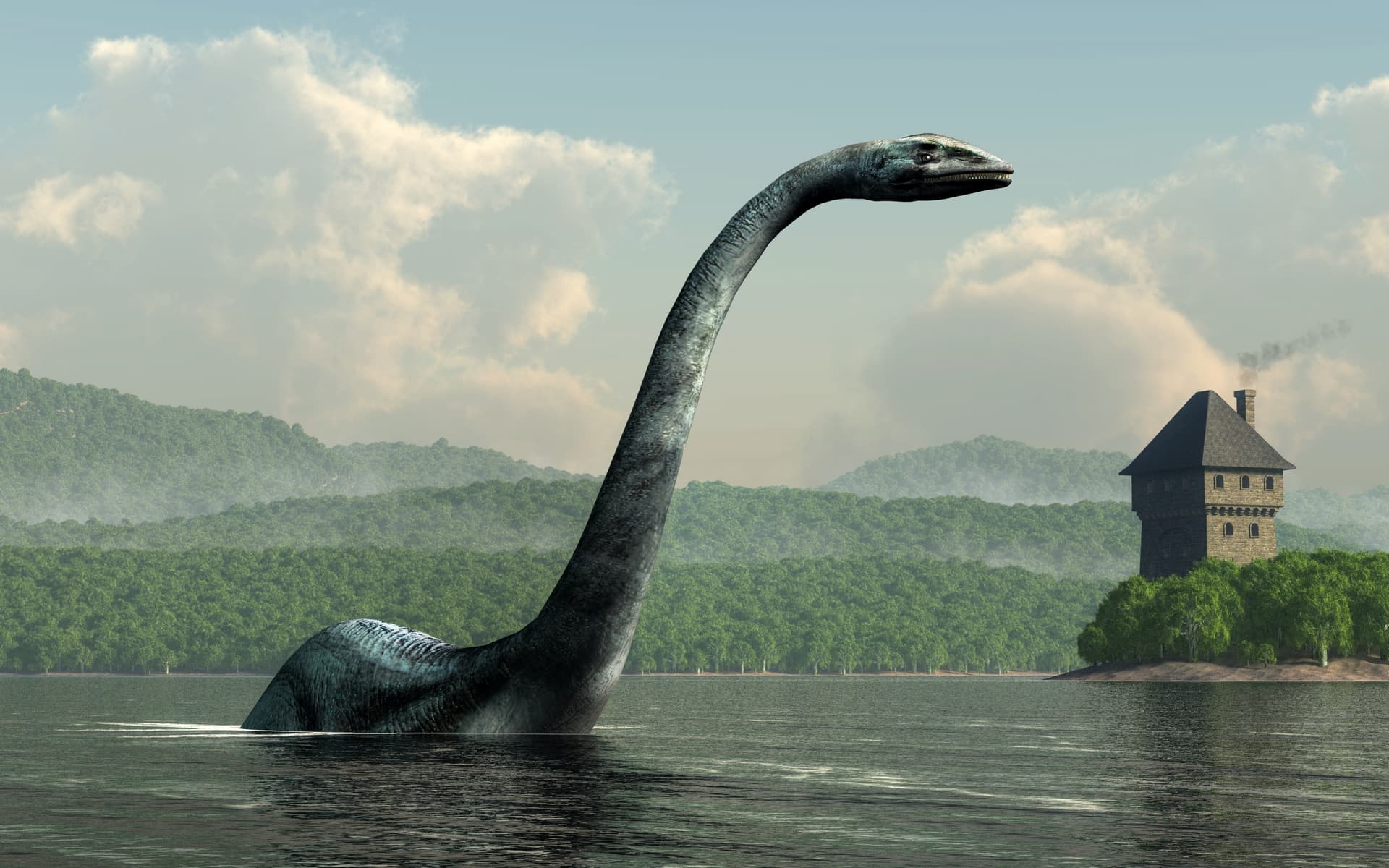
If there's one Scottish legend known to everyone, it's that of the Loch Ness Monster. Located in the heart of the Highlands, the waters of Loch Ness make up Scotland's second-largest lake. The legend of Loch Ness dates back to the Middle Ages, when an Irish monk speaks of a creature living in the deep waters of the lake. But the myth wouldn't gain worldwide attention until 1933. Indeed, it was from that year onwards that the Loch Ness Monster, nicknamed Nessie, is said to have been spotted several times.
Often compared to an amphibious dinosaur, the creature has even been the subject of several scientific studies, most of which agree that it's simply a floating pine log on the surface. Today, many visitors travel along Loch Ness hoping to catch a glimpse of Nessie. To learn more about this legend, a museum has opened its doors in a Victorian manor: the Loch Ness Exhibition Center.
Beyond the museum and its legend, Loch Ness is above all an enchanting place that's well worth the visit. Don't miss the ruins of Urquhart Castle, which offers an exceptional panorama over the lake and the Great Glen valley. You can also take a boat excursion on Loch Ness from Inverness, Fort Augustus or Drumnadrochit.
2. The Haunted Castle of Blackness
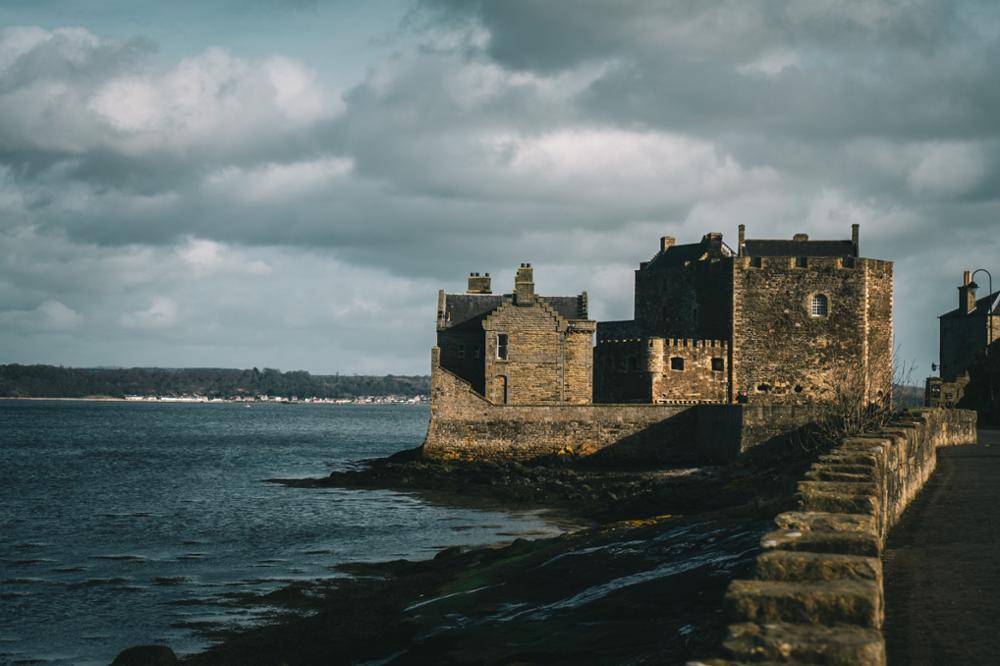
Scotland is home to countless castles in which paranormal activities have been recorded. This is the case with Blackness Castle, a fortress built in the 15th century that overlooks the sea. Located in West Lothian on the south bank of the Firth of Forth, not far from Edinburgh, it's one of Scotland's most impressive fortresses. After serving as a stronghold, the castle was used as an artillery fort, prison and munitions storage facility.
According to legend, Blackness Castle is haunted by a ghostly knight in armour. It's in the castle tower, which was once used as a jail for French prisoners captured during the Napoleonic Wars and the Seven Years' War, that this mysterious knight roams… It's also said that investigators specialising in paranormal activities heard sounds of furniture moving inside the castle while it stood empty…
Beyond the spirits haunting the castle, the fortress is also known for having been the filming location of several films and series such as Hamlet, Doomsday, the famous television series Outlander and, more recently, Outlaw King. Today managed by Historic Scotland, the castle delights visitors who appreciate both its strange stories and its exceptional setting.
3. Edinburgh's Underground World
The city of Edinburgh harbours a most mysterious underground world. In the depths of Mary King's Close and the City Chambers, you'll discover a maze of streets and lanes where strange phenomena have been recounted across the world. By entering this underground world, you step back into part of old 17th-century Edinburgh.
In this district which was once very lively, a devastating phenomenon struck the inhabitants in 1645: the bubonic plague. According to legend, the sick were locked away in quarantine in sealed vaults and left abandoned. Among the victims was a little girl named Annie who was separated from her parents and desperately sought her doll. According to accounts, her spirit is said to haunt the place, and many visitors still leave dolls and teddy bears for her today.
To discover this mysterious underground world, you can visit Edinburgh's catacombs with a guide. The tour generally starts from Saint Giles' Cathedral in Edinburgh, before heading to the Edinburgh Vaults.
4. The Kelpies
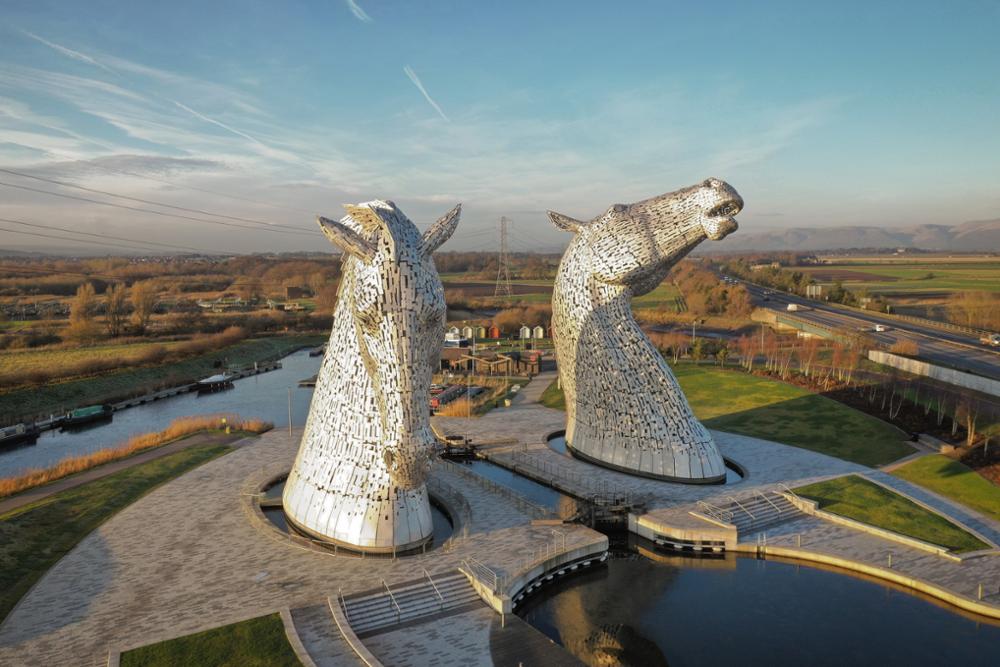
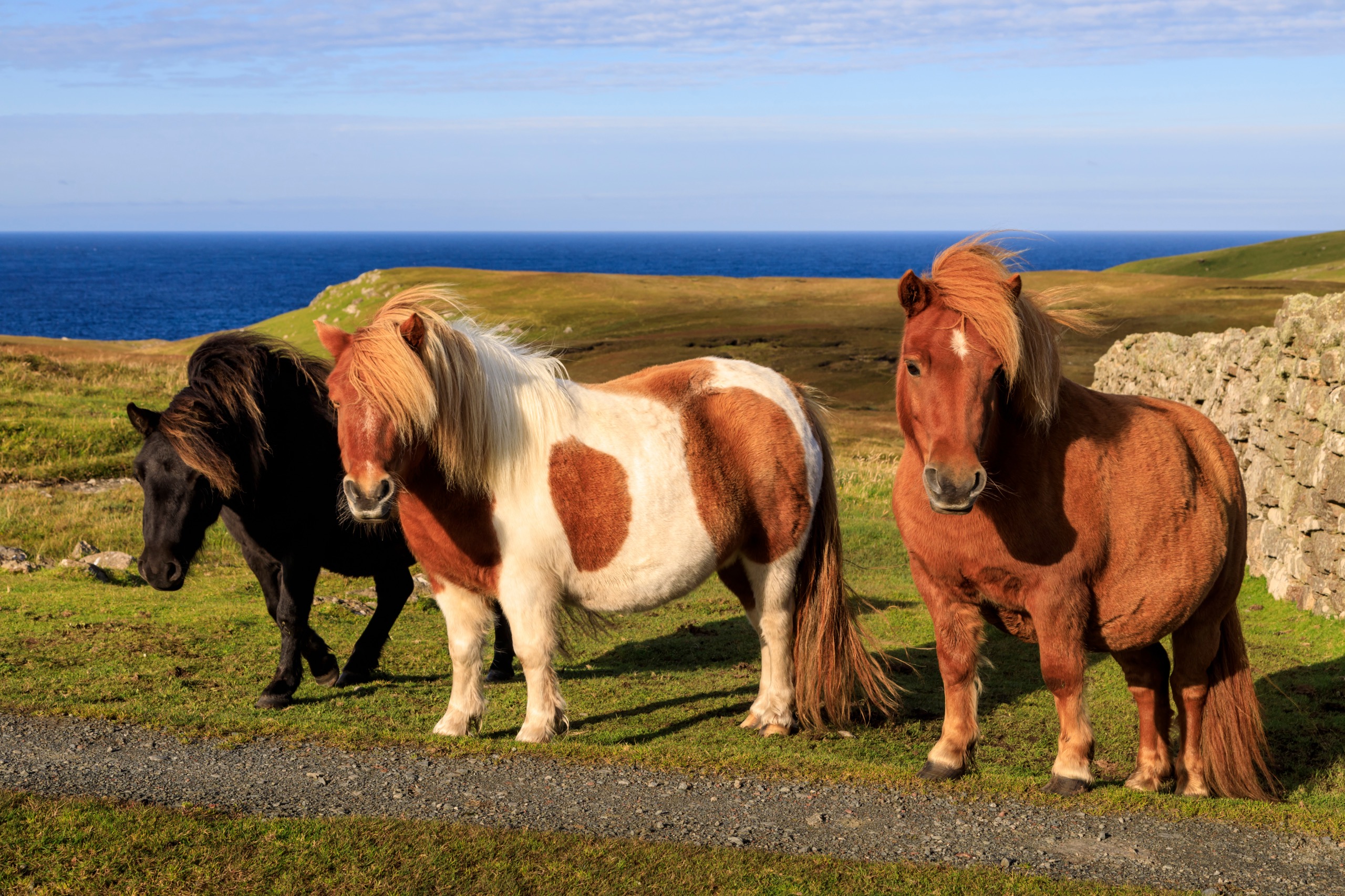
Kelpies are one of the flagship myths of Gaelic folklore. They are aquatic creatures living in Scotland's rivers, streams and lochs. Kelpies are capable of shape-shifting. They're generally depicted as horses, but can also take on an attractive human form. What makes them malevolent creatures is that they lure their victims to the water's edge before dragging them into the depths to drown them.
According to legend, the only way to tame a kelpie is to seize its bridle. The supernatural creature then becomes subject to whoever is able to take it from them. Though it can be frightening, this creature has been the subject of much fascination. It's said that the MacGregor clan possesses a kelpie's bridle, passed down through generations.
The original concept of the mythical horses inspired Scottish sculptor Andy Scott to create two impressive horse sculptures near the Forth and Clyde Canal in Helix Park in Falkirk, Écosse. Beyond the legend, these sculptures also pay tribute to Scotland's equine heritage. A way, according to the artist, of honouring the role of horses in Scottish industry and agriculture. To date, these are the largest equine sculptures in the world.
Frequently asked questions
To date, no scientific evidence confirms the existence of the Loch Ness Monster. The majority of studies suggest that sightings could be explained by natural phenomena such as floating pine logs or optical illusions. Nevertheless, the legend of Nessie remains alive and attracts thousands of curious visitors to the shores of the lake each year.
Yes, most of these legendary sites are accessible to visitors. The Loch Ness Exhibition Center in Drumnadrochit, Blackness Castle near Edinburgh, Mary King's Close in Edinburgh's Old Town, and the Kelpies sculptures in Falkirk are all tourist sites open to the public and easily accessible.
A kelpie is a malevolent aquatic creature from Gaelic folklore. It typically appears as a horse and inhabits Scotland's rivers, lochs and watercourses. Its distinctive feature is the ability to take on an attractive human appearance to lure its victims and drag them into the depths to drown them. According to legend, the only way to control it is to seize its bridle.
Visiting Mary King's Close is done with a guide and lasts approximately 75 minutes. It generally begins from the Royal Mile, in the heart of Edinburgh's Old Town. It's advisable to book your tickets in advance, especially during peak season, as time slots fill up quickly. The tour immerses visitors in the atmosphere of the 17th century and recounts, in particular, the story of little Annie, a victim of the bubonic plague of 1645.
The Kelpies sculptures, created by Scottish artist Andy Scott, are located in Helix Park in Falkirk, on the edge of the Forth and Clyde Canal. Standing 30 metres tall each, they are considered the largest equine sculptures in the world. Entry to the park is free, though some attractions within are paid.