Scotland's Waterways: Exploring the Country Along Its Canals
Looking to visit northern Great Britain off the beaten path? Set out to discover Scotland's canals!
Looking to visit the north of Great Britain off the beaten path? Set out to discover Scotland's canals! The waterways of Scotland offer the chance to uncover stunning heritage sites, while also strolling along the banks. From the Caledonian Canal to the Union Canal, passing through Crinan and Forth & Clyde: discover Scotland along the water and its canals…
The Caledonian Canal
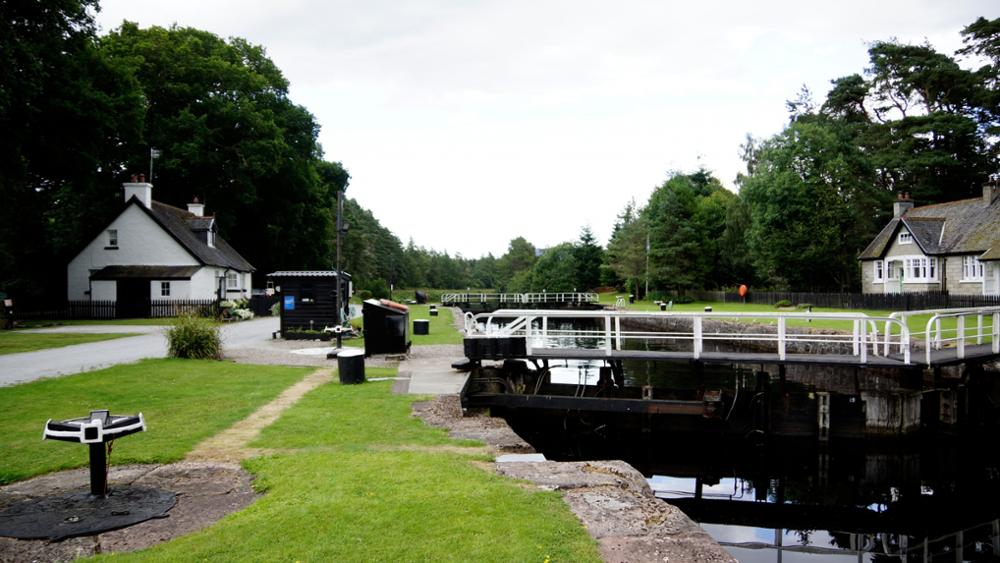
Built in the early 19th century, the Caledonian Canal is located near Inverness, in the north-east of Écosse. Designed by engineer Thomas Telford, it is considered one of the finest inland waterways in the United Kingdom!
Along the water
During your journey, you will navigate 29 locks and 3 iconic lochs: Loch Oich, Loch Lochy and the famous Loch Ness… An opportunity to admire the picturesque landscapes that dot the route, such as the Great Glen valley.
A canoe enthusiast? Explore the canal by kayak! If you are a beginner, seek advice from experienced paddlers before you start – and don't hesitate to consult the official Scottish Canals website for more information about the route.
On dry land
The canal's banks are also renowned for their hiking trails. Among the must-sees? The Great Glen Way, which spans 127 kilometres (from the west of Fort William to the east of Inverness), and the South Loch Ness Trail (which links the western end of Loch Ness to Inverness). Some forest trails can also be explored by bike.
Practical Information Route (starting and ending points): 96 kilometres (from Fort William to Inverness) Places of interest along the canal: the Culloden Battlefield, Urquhart Castle, Ben Nevis (the highest point in the British Isles), The Loch Ness Centre (museum dedicated to the lake's legends). |
The Crinan Canal
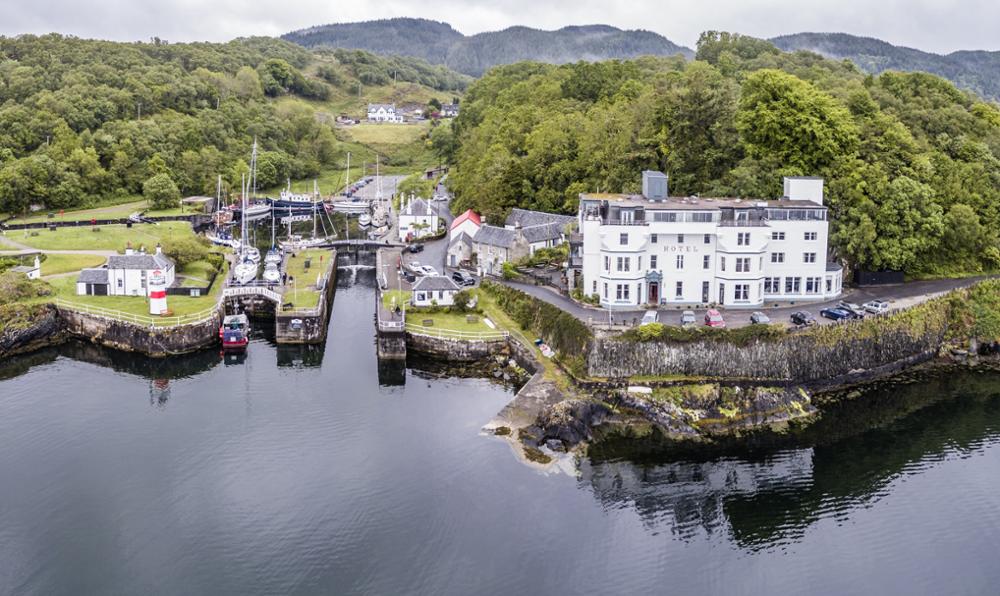
Located in western Écosse, in the Knapdale region, the Crinan Canal is one of the shortest river routes. Built between 1794 and 1801, it was designed by engineer John Reenie to facilitate commercial trade between the islands of the west coast and Glasgow.
Along the water
Equipped with 15 locks, this canal crosses Loch Gilp. It is possible to observe many birds here, including mute swans and kingfishers, and to go canoeing or kayaking (the Crinan Canal is suitable for all paddling levels).
On dry land
Beyond walking or cycling, one of the must-do activities is fly fishing! The areas between locks 9 and 13 are renowned for their abundance of trout (no fishing permit required!).
Practical Information Route (starting and ending points): 15 kilometres (from Crinan to Ardrishaig) Places of interest along the canal: the Neolithic remains of Kilmartin Glen, Inveraray Castle, McCaig's Tower (which overlooks the town of Oban). |
The Forth & Clyde Canal
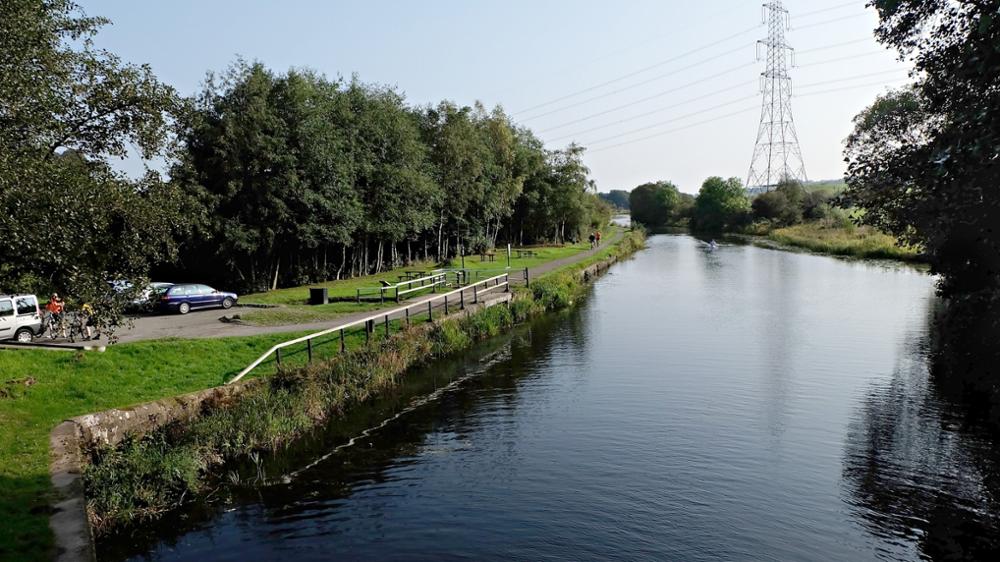
Designed by engineer John Smeaton, the Forth & Clyde Canal was built between 1768 and 1790, and features 39 locks! It connects the Forth estuary to that of the Clyde.
Along the water
Located in the industrial heart of Écosse, just a few kilometres from Glasgow, this canal follows the line of the « Antonine Wall », a 60-kilometre fortified complex dating from the Roman Empire! Along your route, you will also spot the Kelpies: two thirty-metre-high steel horses, erected in 2013 by figurative sculptor Andy Scott.
On dry land
The banks of the Forth & Clyde Canal are very pleasant (and easy) for cycling. In fact, the 56 kilometres of road have been developed, offering a safe cycle path suitable for all levels. Fishing is also possible in the canal – provided you have a permit. You can fish for pike, trout, tench and eels!
Practical Information Route (starting and ending points): 56 kilometres (from Grangemouth to Bowling) Places of interest along the canal: the Antonine Wall, Helix Park, the Kelpies, the Falkirk Wheel |
The Union Canal
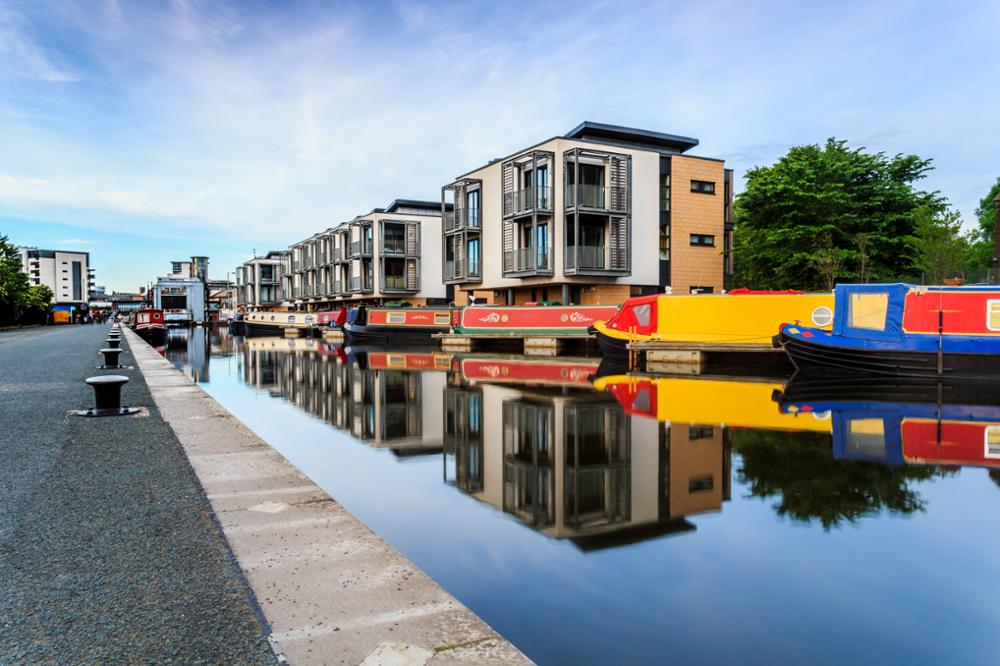
Conceived by engineer Hugh Baird, the Union Canal was built between 1818 and 1822. Its distinctive feature? This canal has (no longer) any locks, but boasts the famous Falkirk Wheel…
Along the water
The Falkirk Wheel is a gigantic rotating lift, inaugurated in 2002. Its mission? To transfer boats between the Union Canal and the Forth & Clyde, raising them 35 metres high!
On dry land
The towpath promises lovely walks along the canal. Be careful though, it is also known for its uneven sections (bumps, narrow sections, etc.). A tip? Don't hesitate to use your bell to alert others of your presence.
Practical Information Route (starting and ending points): 51 kilometres (from Falkirk to Edinburgh) Places of interest along the canal: the Falkirk Wheel, Helix Park and the Kelpies, Linlithgow Palace |
Frequently asked questions
The Caledonian Canal is Écosse's longest canal at 96 kilometres, connecting Fort William to Inverness. It navigates 29 locks and 3 iconic lochs, including the famous Loch Ness.
Yes, several Scottish canals are accessible by kayak or canoe. The Crinan Canal is particularly suitable for all levels of paddlers. For the Caledonian Canal, it is advisable to seek the advice of experienced paddlers and consult the official Scottish Canals website before setting out.
The Falkirk Wheel is a gigantic rotating lift inaugurated in 2002, located on the Union Canal. It allows boats to pass between the Union Canal and the Forth & Clyde Canal by raising them 35 metres high. It is one of the most impressive attractions in Écosse.
It depends on the canal. On the Crinan Canal, between locks 9 and 13, trout fishing is possible without a permit. However, on the Forth & Clyde Canal, a fishing permit is required to fish for pike, trout, tench and eels.
The Caledonian Canal can be explored in several ways: by boat or kayak along the 96 kilometres of navigable waterways, on foot via the Great Glen Way (127 km from Fort William to Inverness), or by bike on the forest trails developed along the banks.
The Union Canal, built between 1818 and 1822, has the distinctive feature of having no locks along its 51 kilometres connecting Falkirk to Edinburgh. It is famous for the Falkirk Wheel, a giant rotating lift that connects this canal to the Forth & Clyde Canal.