Lochranza Castle
Lochranza Castle
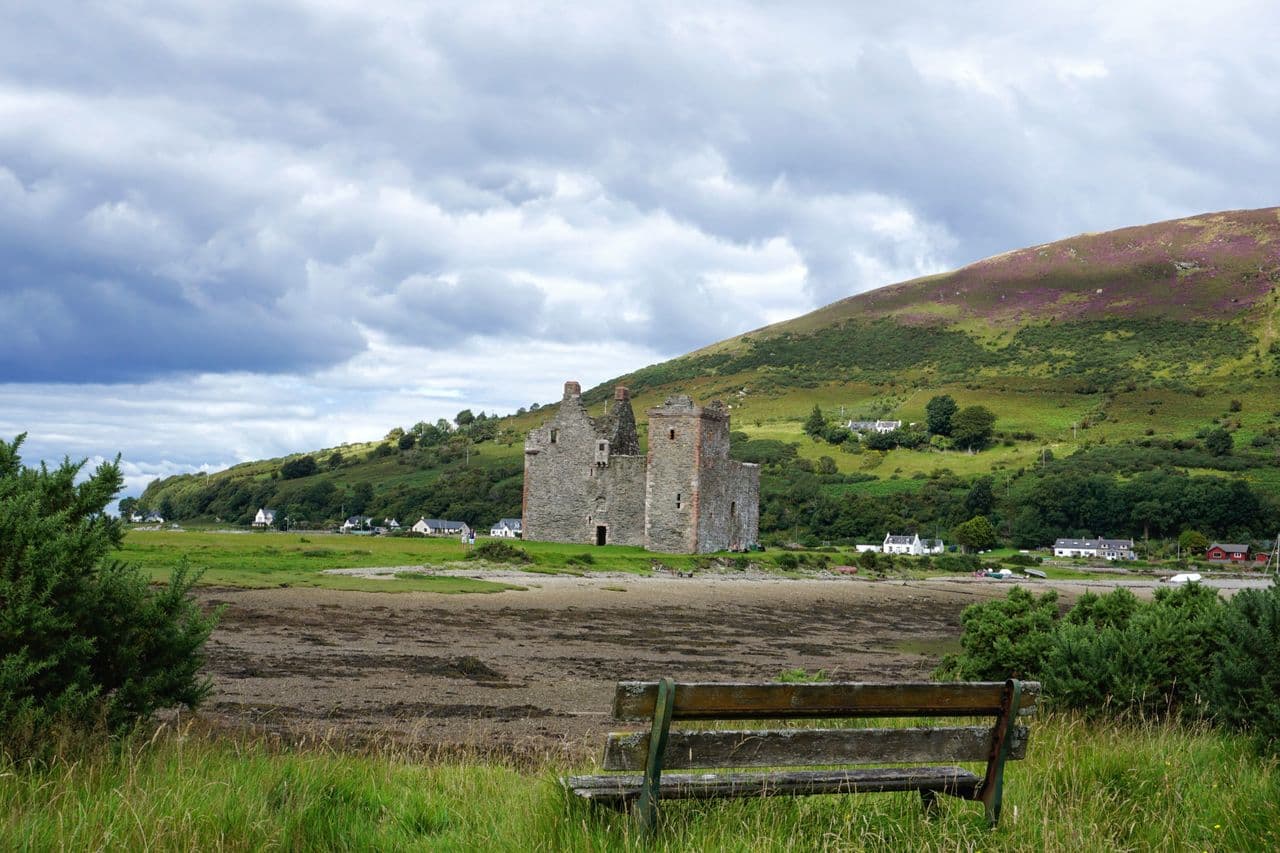
On a headland at the northern tip of the Isle of Arran, the medieval ruins of Lochranza Castle are reflected in the loch. Free access, red deer at dawn, ferry nearby: an unusual and authentic stop.
At the head of a sheltered loch on the northern point of the Isle of Arran, the ruins of Lochranza Castle stand on a tongue of land between two bays. This grey stone medieval tower, reached on foot from the village, offers a striking setting with red deer often grazing nearby. It is one of Arran's most photographed historical sites, and one of the few Scottish castles accessible free of charge.
Practical Information at a Glance
- Access: free entry, open-air site accessible year-round
- What to wear: sturdy footwear recommended (uneven terrain)
- Time to allow: 30 to 45 minutes on site
- Accessibility: limited — grassy paths and irregular ground around the ruins
- Transport: bus from Brodick (northern coastal route); ferry from Claonaig (Kintyre) with direct arrival at Lochranza
What You'll See
The castle consists mainly of a rectangular tower-house with multiple storeys, characteristic of Scottish defensive architecture from the 14th–16th centuries. The outer walls are largely preserved; the interior is open to the sky. The headland position allows you to view simultaneously the village of Lochranza, the loch, and the surrounding hills. Red deer regularly frequent the area around the site, especially early in the morning.
History and Context
Lochranza Castle is mentioned as early as the 14th century. It is said to have served as a temporary residence for Robert Bruce on his return from Ireland in 1307, before his campaign to reclaim Scotland — though this tradition is rooted more in local legend than in certain written sources. The castle subsequently came under the control of the Montgomery and Hamilton clans, dominant families of the region in the early modern period. It fell into disuse in the 17th century.
The Highlights of Your Visit
The Headland and the Loch Reflection
On calm days, the ruins are reflected in the waters of Lochranza Loch. The low-angle light of morning or evening accentuates the texture of the stone and the contrast with the verdant hills. This is the classic framing from the opposite shore, reachable on foot from the village.
Wildlife Around the Ruins
Arran is home to a dense population of red deer. The area around the castle, particularly at dawn, is one of the best places on the island to observe them at close range. Otters have also been spotted on the loch, though their presence remains sporadic.
The Lochranza Ferry
The CalMac ferry terminal to Claonaig (Kintyre peninsula) is located a few minutes' walk from the castle. Combining a visit with a crossing offers a maritime perspective on the ruins from the boat.
Photography Tips
The best angle is found on the east shore of the loch, facing the headland: frame the castle with water in the foreground and hills behind. Morning light (from the east) illuminates the main façade directly. Late in the day, low-angle light from the west creates striking shadows on the masonry. No known photography restrictions apply to this freely accessible site.
Location and Access
Lochranza sits at the northern tip of the Isle of Arran, roughly 27 km from Brodick along the western coastal road. The castle is visible from the main road and reached on foot from the village in minutes. A bus links Brodick to Lochranza several times daily. The CalMac ferry from Claonaig (Kintyre) allows you to arrive directly at the village, making it a natural stopping point on an island circuit.
Nearby
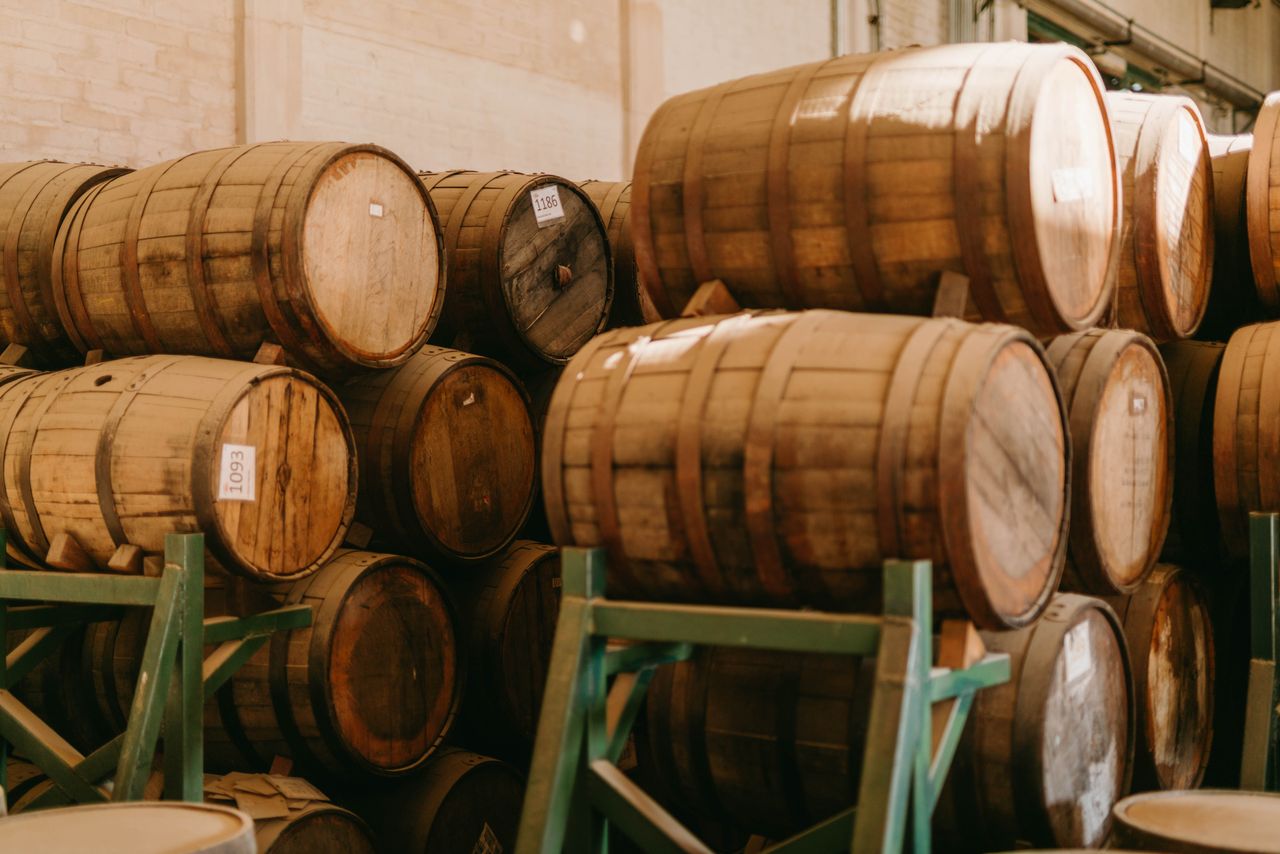
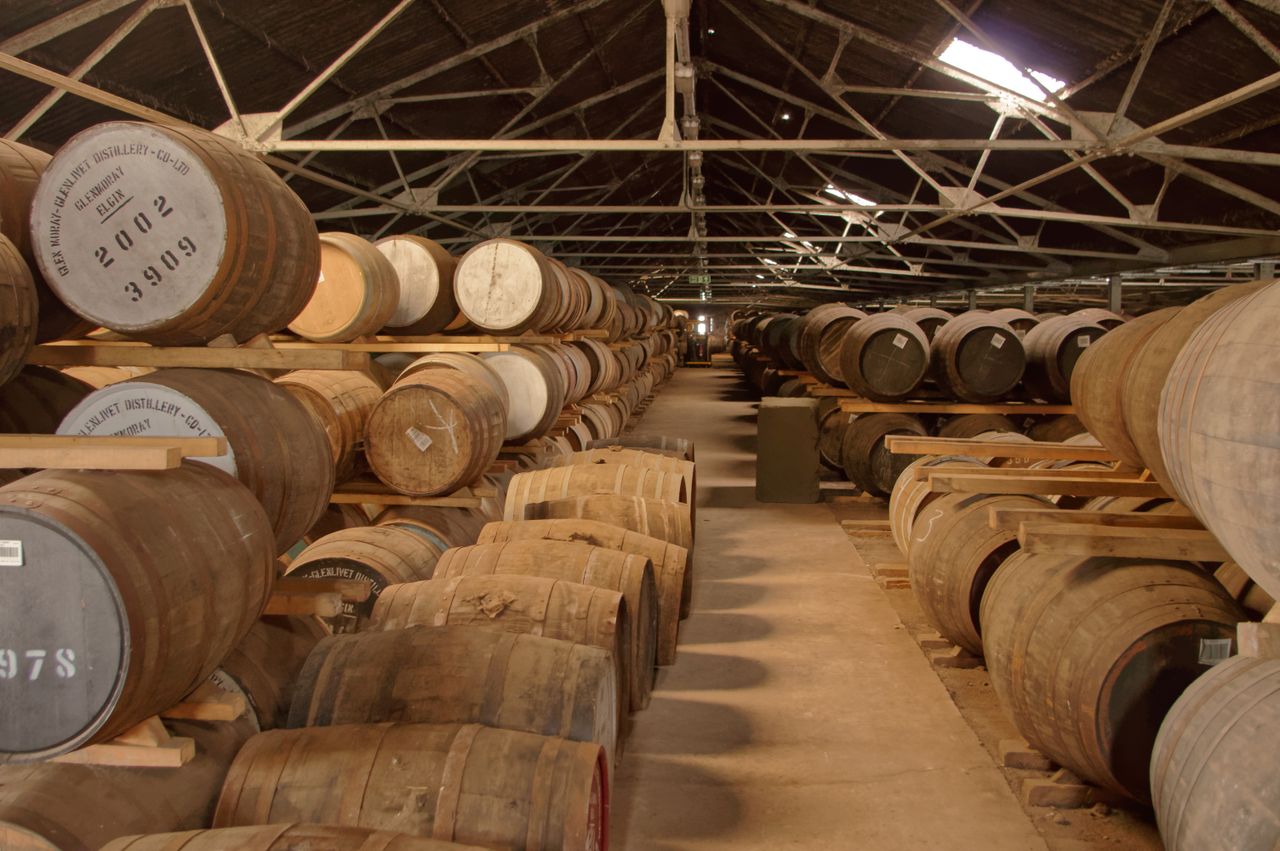
- Isle of Arran Distillery — at Lochranza itself, guided tour of single malt production with tasting.
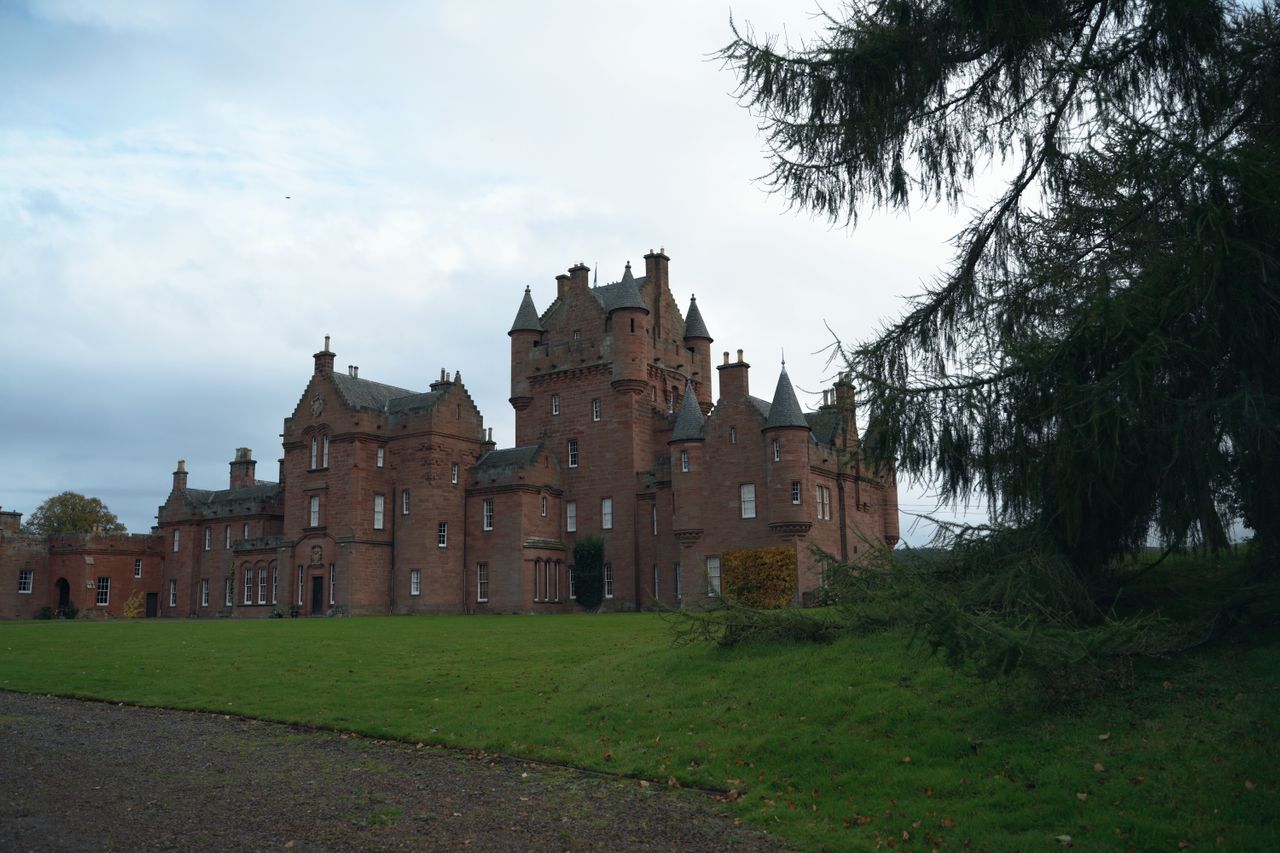
- Brodick Castle — Victorian castle with remarkable gardens, managed by the National Trust for Scotland, in the south of the island.
- Goatfell — Arran's highest peak, accessible from Brodick, with panoramic views over the Firth of Clyde.
- Machrie Moor — group of Neolithic stone circles on the west coast, among Scotland's most significant.
Frequently asked questions
No. The site is free to access, with no opening hours or ticket office. It is managed by Historic Environment Scotland.
You can enter within the walls, but the building is open to the sky and the ground is uneven. Sturdy footwear is advised.
Red deer are present year-round on Arran. Sightings are more frequent early in the morning, and in autumn and winter when animals move to lower ground.
Isle of Arran Distillery is located at Lochranza, a few minutes' walk from the castle. Allow half a day for both sites, starting at the castle early morning for the best light and wildlife viewing.
Yes. A bus service connects Brodick to Lochranza along the coast. Check seasonal schedules with the local operator, as frequency varies by time of year.
Nearby
Interested in this visit?
We can include it in your personalised itinerary.