Wester Ross
Wester Ross
Wester Ross is Écosse in its raw state: vertiginous Munros, deep lochs, exotic gardens nestled on the west coast. One of the finest sections of the North Coast 500.
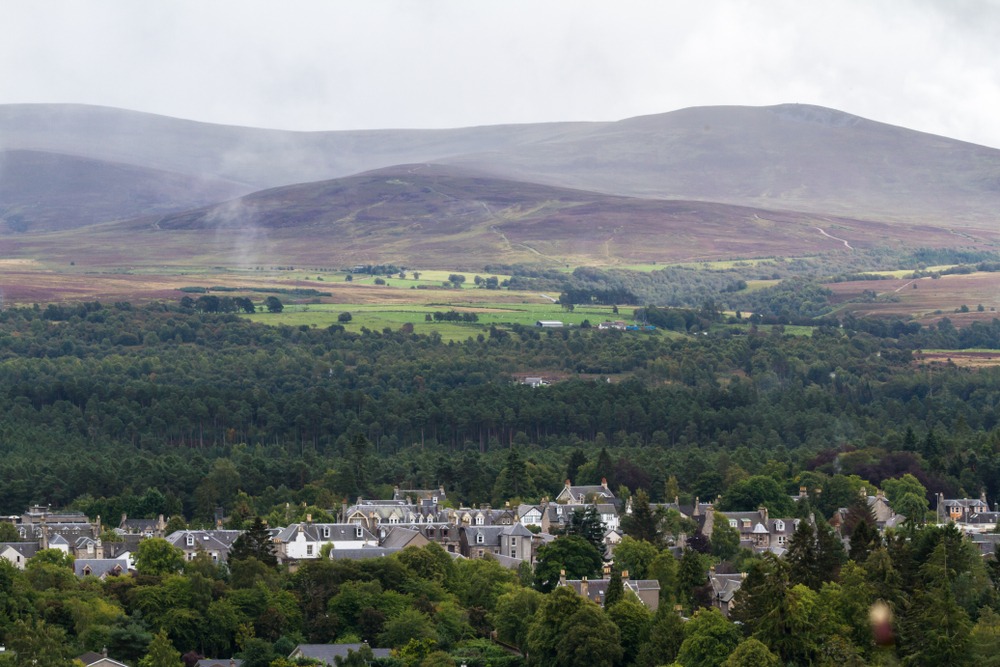
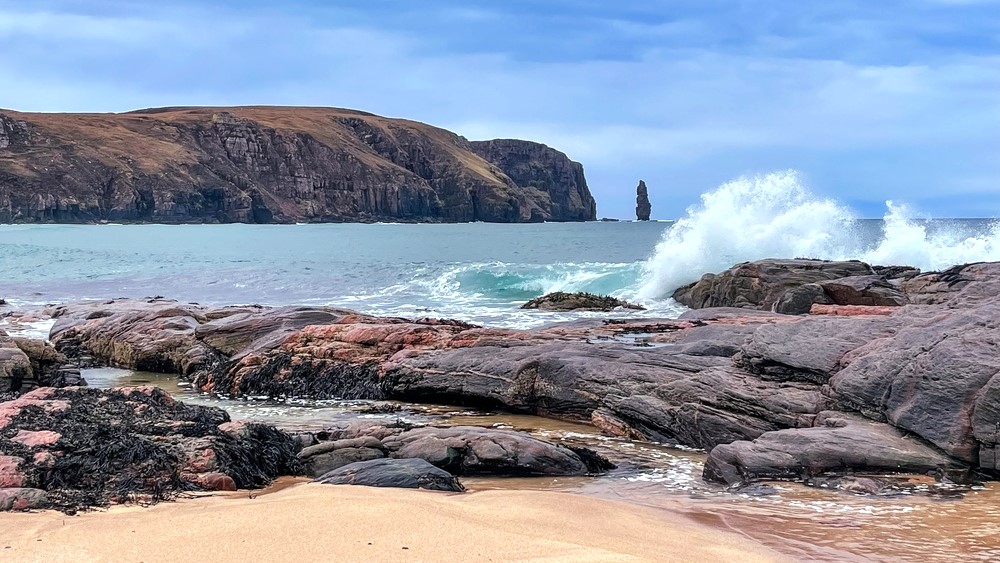
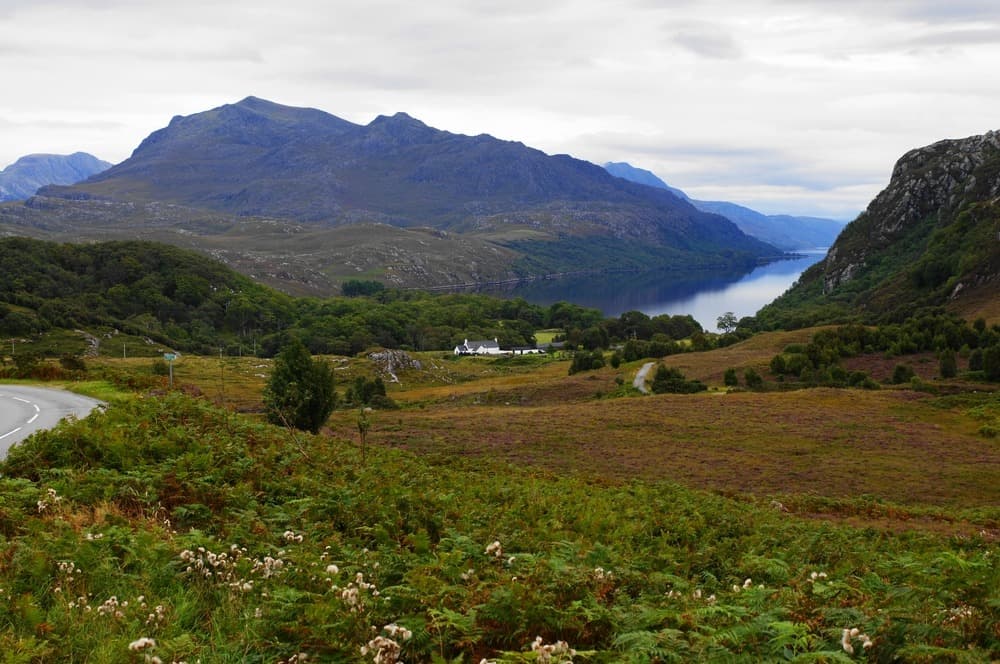
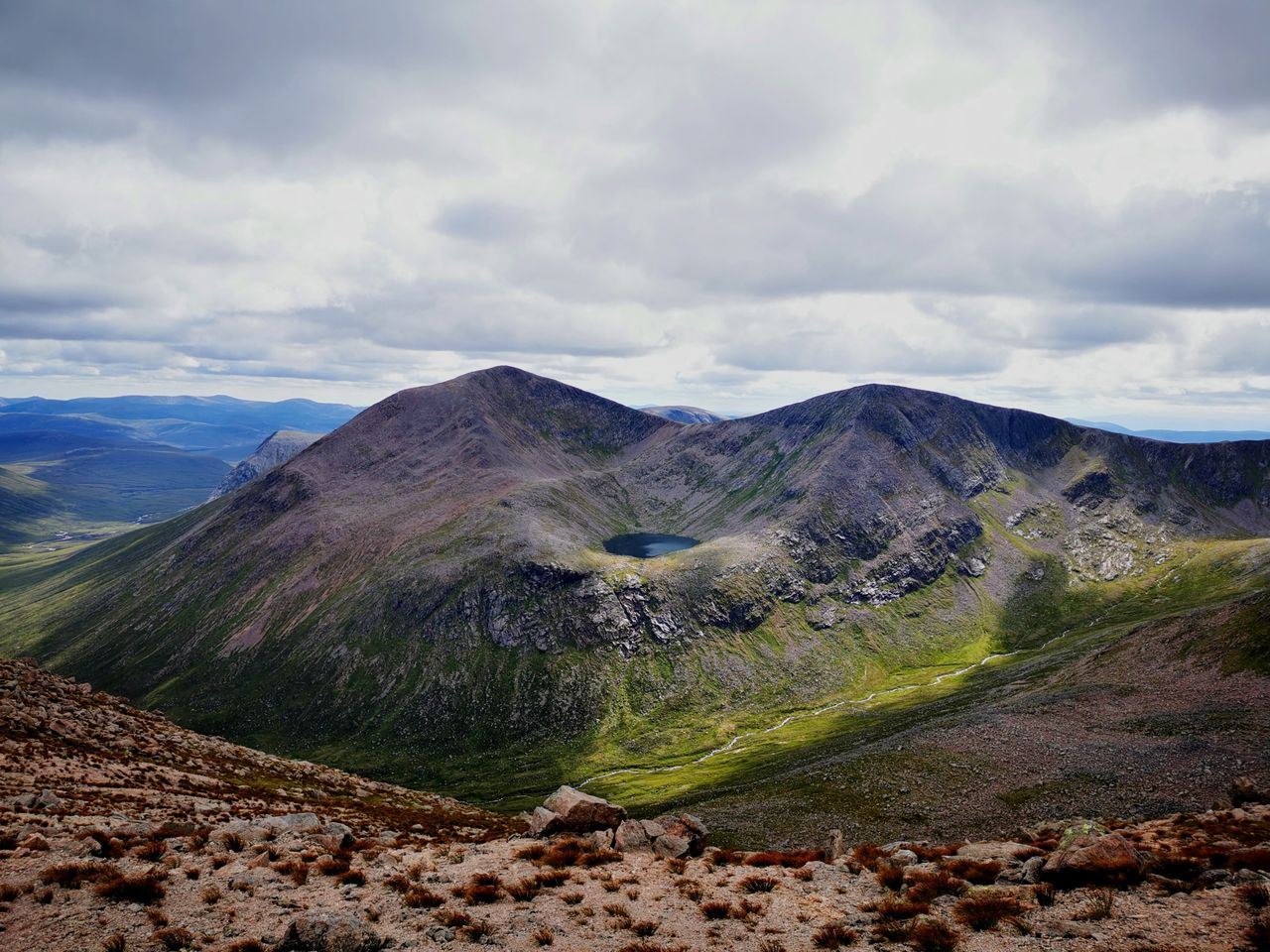
Wester Ross designates the western portion of the Highlands. Displaying spectacular landscapes, this territory of more than 4,828 km² is bristling with vertiginous mountains adorned with ancient Caledonian forests. Its jagged coastline, meanwhile, is formed by magnificent lochs sheltering wild beaches. Wester Ross offers travellers a journey full of serenity. Indeed, it is one of Europe's most isolated regions.
History
The earliest traces of human settlement in Wester Ross date back to the Mesolithic period. At the end of Antiquity, this region was occupied under the dominion of the Picts. It became predominantly Christian in the 7th century.
The 8th century marked Nordic dominion over Wester Ross. Following the decline of Nordic power in western Écosse, the region fell into the hands of the Lords of the Isles, who dominated it until the 16th century. Then in the 16th century, an era of clan ascendancy in terms of organisation, influence and importance, it was divided among several clans, notably the Mackenzie and the Macdonald.
A radical change in the clan system occurred in the 18th century. Chiefs became owners of their clans' territories, leaving common tenant farmers with no legal recourse in case of eviction by these landowners.
Today, Wester Ross continues to be a region primarily occupied by these landowners. It is one of Europe's least populated regions, with 1.6 inhabitants per square kilometre. However, it attracts many tourists. Each year, it welcomes approximately 70,000 travellers.
Discovering Wester Ross
Wester Ross brims with interesting tourist attractions. Among the must-sees, we can highlight:
Beinn Eighe National Nature Reserve
Established in 1951, it is the oldest reserve in the United Kingdom. Covering approximately 29 km², with open moorland, forests and peatlands, this UNESCO biosphere reserve also ranks among the largest. It was recently expanded to include the Loch Maree Islands Nature Reserve, and aims to preserve the largest remaining remnant of ancient pinewood in Écosse.
A visitor centre is located within this reserve, as well as two trails, one through the forest and another through the mountains. Both hiking routes showcase the vestiges of Caledonian pine forests. However, the second is more rewarding, as from its summit you enjoy absolutely magnificent views over the surrounding landscapes. Note, however, that it requires more effort.
Inverewe Gardens
Of world renown, Inverewe Gardens rank among one of Écosse's most sought-after botanical attractions. They are nestled within striking distance of Poolewe.
Created in 1862 on a patch of bare rock by Osgood Mackenzie, youngest son of the laird of Gairloch, these gardens were the fruit of a lifetime dedicated to developing an impressive collection of trees and shrubs from all corners of the globe. Their wealth lies in a profusion of exotic plants in striking colours, which flourish here thanks to the warm currents of the Gulf Stream.
This site remains fascinating in every season. However, spring, with its peak of rhododendrons, offers a more pleasant experience.
Corrieshalloch Gorge
Corrieshalloch Gorge, located 20 km south of Ullapool, ranks among the most impressive gorges in Great Britain. At 60 metres deep and approximately 1.5 km long, with a width of 10 metres, these natural wonders resulted from glacial melt. A short steep path allows access to their bridge, where you can contemplate and admire their tumultuous waterfalls.
Marine Wildlife
For those wishing to discover Wester Ross's marine fauna, numerous operators are available on site. Excursions generally depart from Gairloch harbour and allow you to observe a wide diversity of animals, including whales, dolphins, porpoises and sharks.
Trips to the Shiant Islands offer the opportunity to encounter puffins, guillemots, razorbills and other seabirds. It is also possible to canoe and kayak in the region. These activities take place on its magnificent sheltered sea lochs and expansive sandy bays.
The Mountains
A large number of Munros (mountains over 914.4 m) and Corbetts (mountains between 762 and 914.4 m) in Wester Ross are easily accessible by car. An Teallach, rising to 1,062 m and dominating Little Loch Broom, is one of Écosse's most spectacular mountains. It can be reached from Dundonnell. North of Kinlochewe stands Slioch, which peaks at approximately 981 m. It is one of the most renowned mountains in the Highlands. An Groban, at just 383 m, is ideal for those who don't wish to exert themselves too much. It offers superb views despite its modest height.
Practical Information
When to Visit?
The best time to visit Wester Ross varies depending on your activities. For contemplating the region's magnificent landscapes, with plants in full bloom, summer is the ideal season. Moreover, this time of year is conducive to whale and dolphin watching.
Spring, meanwhile, is favourable for observing nesting birds such as eagles, while winter will delight visitors wishing to admire the Northern Lights.
The village of Garve is considered the gateway to Wester Ross. It is recommended to use a car for better mobility in this region.
Want to discover this destination?
Our local advisors design your tailor-made trip.