Arthur's Seat
Arthur's Seat
An extinct volcano 251 m high in the heart of Holyrood Park, Arthur's Seat dominates Edinburgh with a 360° panorama from the Forth Bridge to North Berwick Law.
Arthur's Seat dominates Edinburgh from Holyrood Park, to the east of the historic centre. This volcano, extinct for over 350 million years, rises to 251 metres and offers a 360° panorama over the Scottish capital, from the Forth Bridge to the west to North Berwick Law to the east. Its ascent remains one of Europe's most accessible urban hikes.
Why climb Arthur's Seat
The summit brings together three rarely combined assets in the heart of a city: remarkable volcanic terrain, a wide panorama over Edinburgh and the Firth of Forth, and free-access hiking ground at the heart of the urban landscape. From certain angles, the hill traces the silhouette of a sleeping lion, with two former craters named Lion's Head and Lion's Haunch.
Holyrood Park, which encircles Arthur's Seat, has been a royal hunting estate since the 12th century. It is a rare example of original grasslands preserved in an urban setting, home to invertebrates, mammals, amphibians and birds.
History and origin of the name
"Arthur's Seat" literally translates as "the Seat of Arthur". Two theories coexist about the origin of the place name. The first links the hill to King Arthur, a largely legendary figure from Arthurian legend. The second sees it as a distortion of the Gaelic Ard-na-Said, "the archers' peak", linked to the military function of the site.
This defensive role is attested by fortifications dating from the Iron Age encircling the hill, associated with the Votadini people who occupied the region before the arrival of the Romans. The site also bears traces of more recent episodes: in 1840, Mormon apostle Orson Pratt consecrated the Scottish nation here.
The mystery of the seventeen coffins
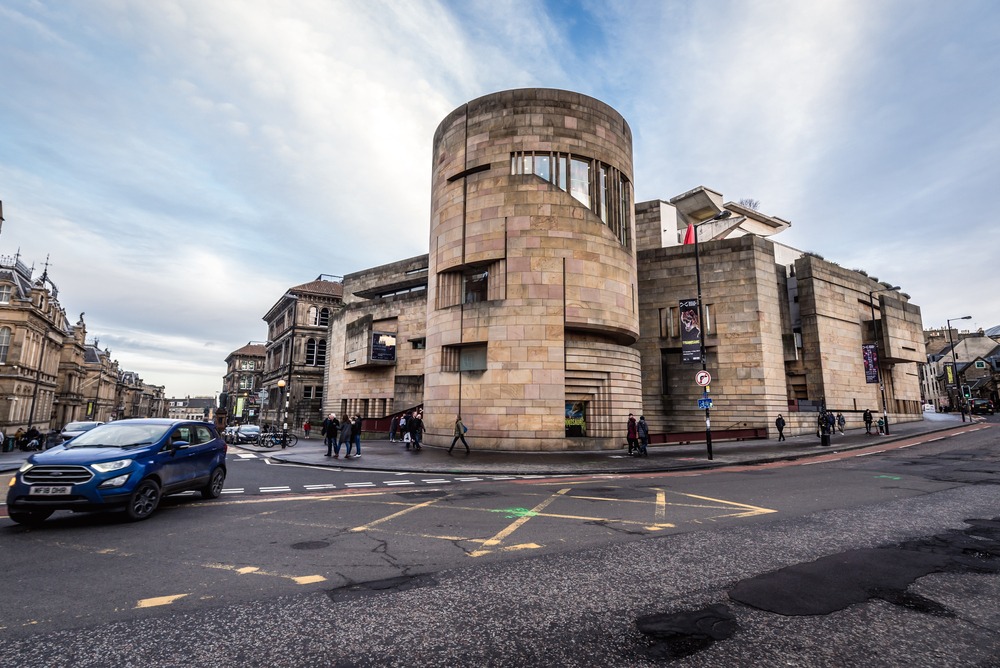
In 1836, children discovered 17 small wooden coffins in a tiny cave beneath the summit, each containing a hand-carved and clothed figurine, each one different. The maker, date and purpose of this collection have never been explained. Eight coffins have survived and are displayed in the National Museum of Scotland.
Geological formation
Arthur's Seat belongs to an active volcanic system from the Carboniferous era, which ejected tuff and basaltic lava. Glacial erosion from west to east during the Pleistocene profoundly reshaped the edifice. It exposed the spectacular cliffs of Salisbury Crags to the west and deposited detrital materials from a medial moraine to the east. It is this history that explains the marked asymmetry of the hill.
What to see and do on the site
- The summit (251 m): 360° view from the Forth Bridge (west) to North Berwick Law (east), including Old Town, New Town, Leith, Portobello and the Pentland Hills.
- Salisbury Crags: basaltic cliffs accessible by a gentler climb, with an appreciated viewpoint over the old town and castle.
- Ruins of St Anthony's Chapel: medieval remains located on the northern slope, a favourite viewpoint at sunrise and sunset.
- Dunsapie Loch: small lake between Dunsapie Hill and Arthur's Seat, rich in water birds, starting point of the shortest route to the summit.
- Saint Margaret's Loch: pond on the northern slope, frequented by swans and gulls, on the descent route.
- Radical Road and Queen's Drive: earth track circling Arthur's Seat and traffic-free road, useful for completing the hike.
Routes and practical advice
The easiest access starts from the east, via Dunsapie Loch: the grassy slope leads to the summit in about thirty minutes. The northern route, from Saint Margaret's Loch and St Anthony's Chapel, is more direct but steeper. For a complete tour including the park circuit and climb, allow approximately 2 hours 30 minutes.
The terrain is rocky and slippery in wet weather: bring sturdy hiking boots, a waterproof layer and water. Wind at the summit is often strong, even in summer. Dogs are permitted on leads in sensitive areas of the park.
When to visit
Arthur's Seat can be visited year-round, but conditions vary considerably.
- May to September: long days, mild temperatures, flowering meadows. The most comfortable period, but also the busiest, particularly during the Edinburgh Festival in August.
- March-April and October: low-angle light favourable for photography, moderate crowds, changeable weather.
- November to February: trails sometimes icy or muddy, sustained wind. The summit can be dangerous after prolonged rain or snow.
For the clearest views, aim for early morning or late afternoon, avoiding days of sea fog (haar) which can obscure the panorama.
Nearby attractions
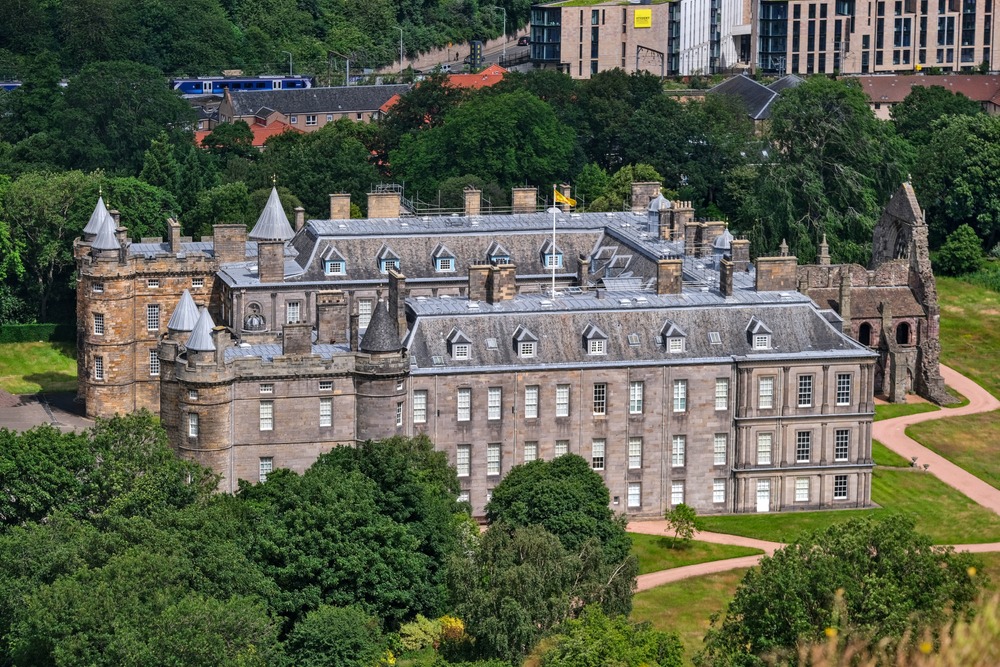
- Holyrood Palace, the official residence of the British monarch in Scotland, located at the north-west entrance to Holyrood Park.
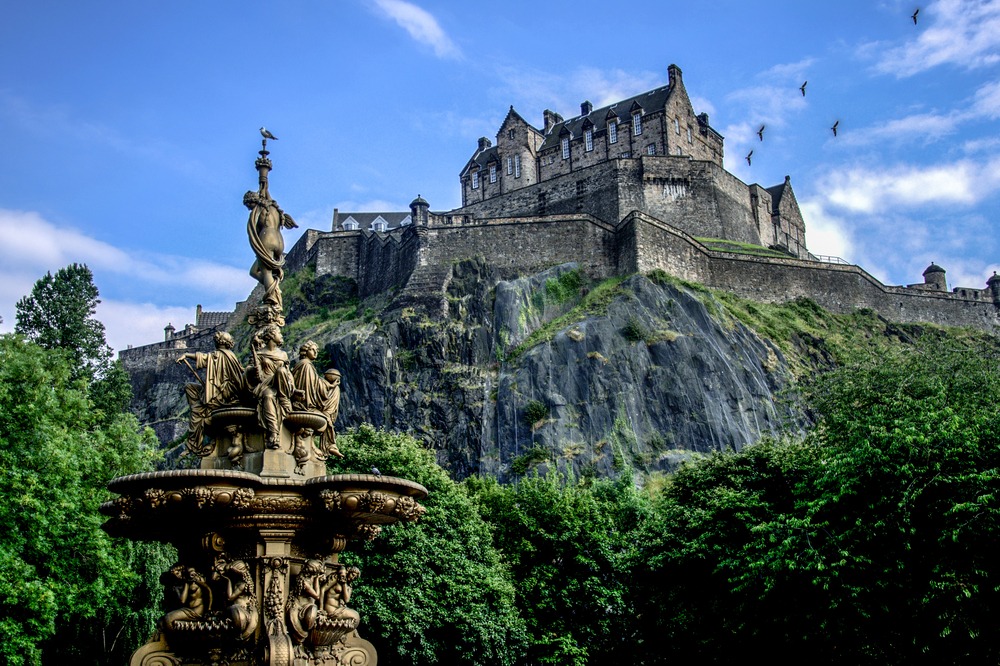
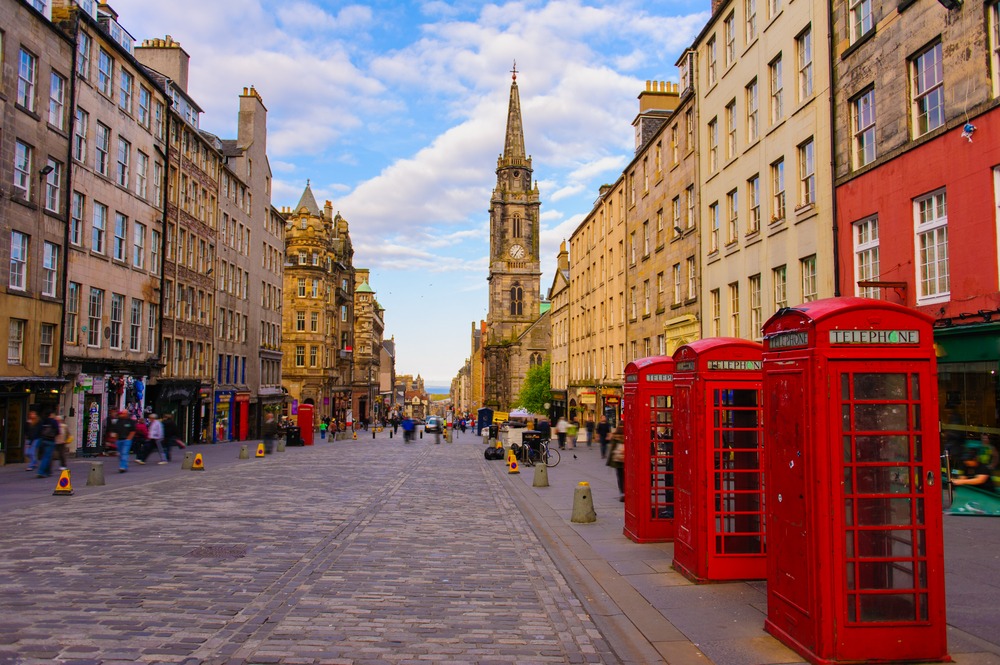
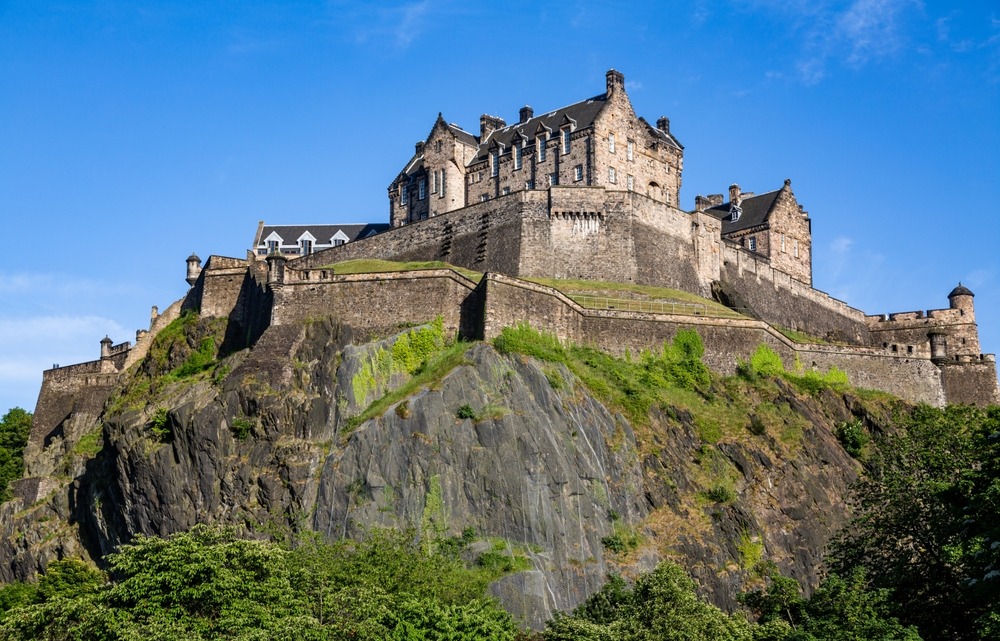
- The Royal Mile, the historic axis linking Holyrood Palace to Edinburgh Castle, just a few minutes' walk from the park.
- The National Museum of Scotland, which houses eight of the miniature coffins discovered in 1836.
How to get there
Edinburgh Waverley station is about 2 km from the park, or 25 to 30 minutes on foot via the Royal Mile and Holyrood Road. This is the simplest approach for visitors staying in the city centre.
Several city bus lines serve the edges of Holyrood Park (stops near Newington, Commonwealth Pool or Holyrood). A single bus fare is reasonably priced; a day ticket is often better value for visitors.
By car, free parking is available along Queen's Drive, near Dunsapie Loch, the starting point of the shortest climbing route.
Frequently asked questions
Frequently asked questions
Allow 30 to 45 minutes up by the eastern route (Dunsapie Loch) and about 1 hour via the northern or western slopes. A complete circuit including the park tour takes approximately 2 hours 30 minutes.
The eastern route is accessible to anyone in reasonable physical condition. The northern and western trails are steeper and rockier. No technical equipment is needed, but hiking boots are essential.
No. Holyrood Park and Arthur's Seat are free to access year-round, with no ticket or closing time for pedestrians.
Yes, by choosing the Dunsapie Loch route or the walk to Salisbury Crags. The summit has exposed sections with wind and proximity to drops: close supervision is recommended.
Salisbury Crags offer a close perspective on the castle and old town, with a shorter climb than Arthur's Seat summit.
Extend your exploration
Arthur's Seat is an excellent starting point for exploring the capital and its surroundings. To go further, consult our suggestions for itineraries in our journeys in Scotland, which combine Edinburgh, the Highlands and the islands.
Nearby
Interested in this visit?
We can include it in your personalised itinerary.