Central Highlands
From Ben Nevis to the subarctic plateaus of the Cairngorms, the Central Highlands concentrate glacial landscapes and the history of Scottish clans.
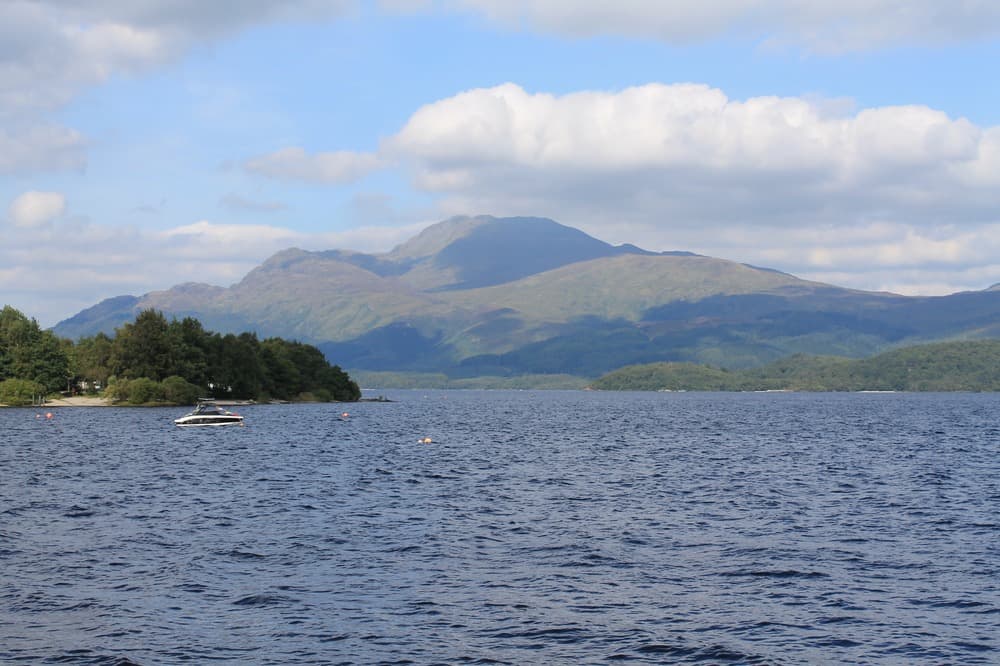
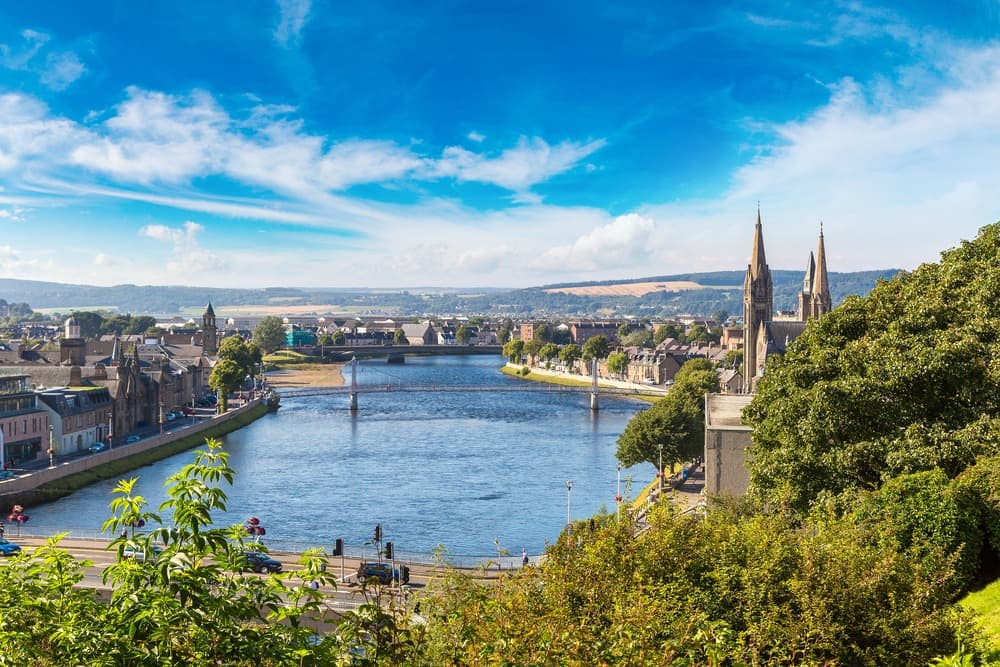
The Central Highlands cover the mountainous heart of Scotland, from Fort William in the west to Inverness in the north, passing through Aviemore at the centre. Our English-speaking team based in Edinburgh organises its itineraries around three logistical hubs: Fort William as the gateway to Ben Nevis (1345 m) and Glen Coe, Aviemore for the Cairngorms National Park, and Inverness for Loch Ness and Glen Affric valley. Between these points, allow two to three hours of driving per stage, on single-track roads where you'll encounter far more sheep than cars.
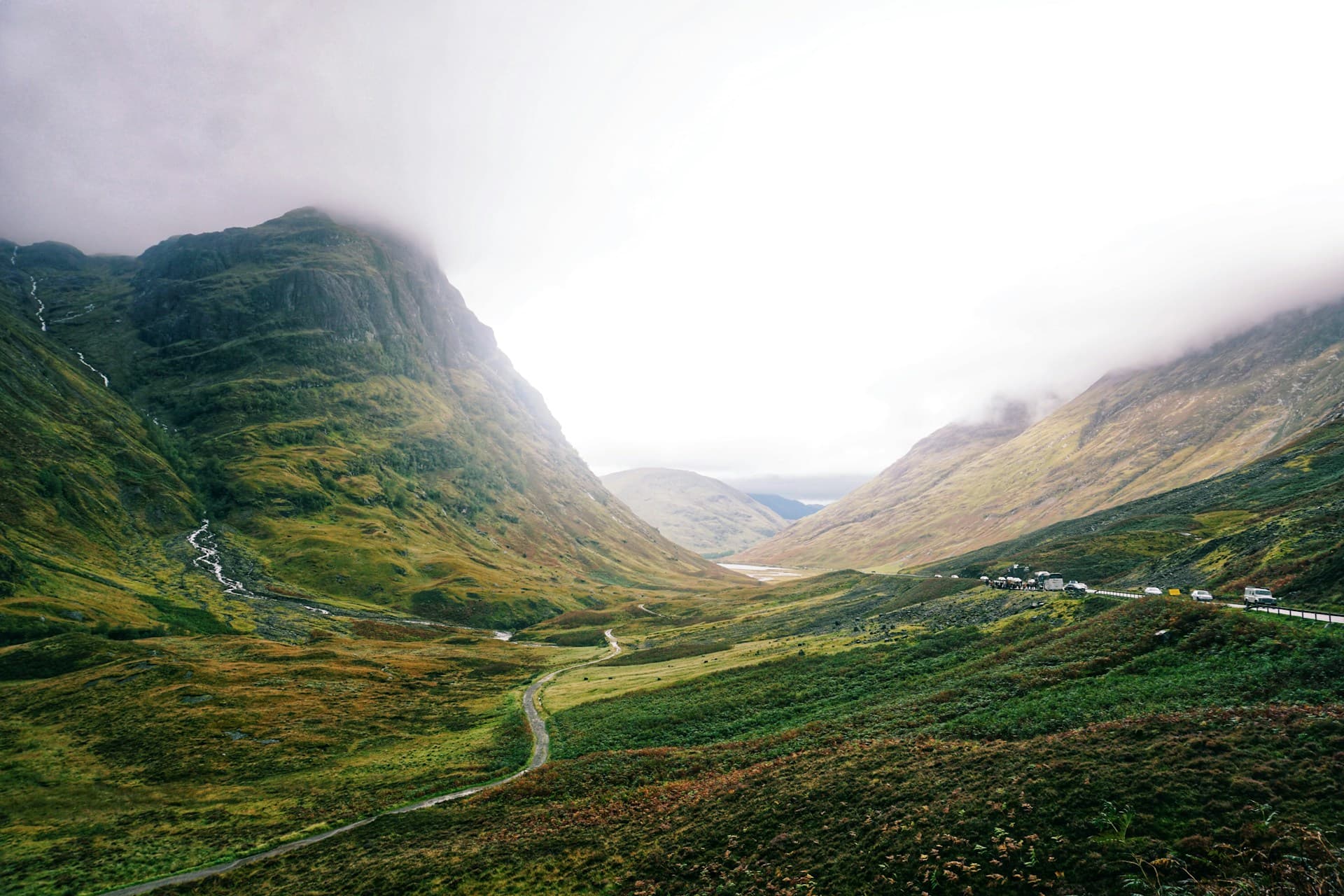
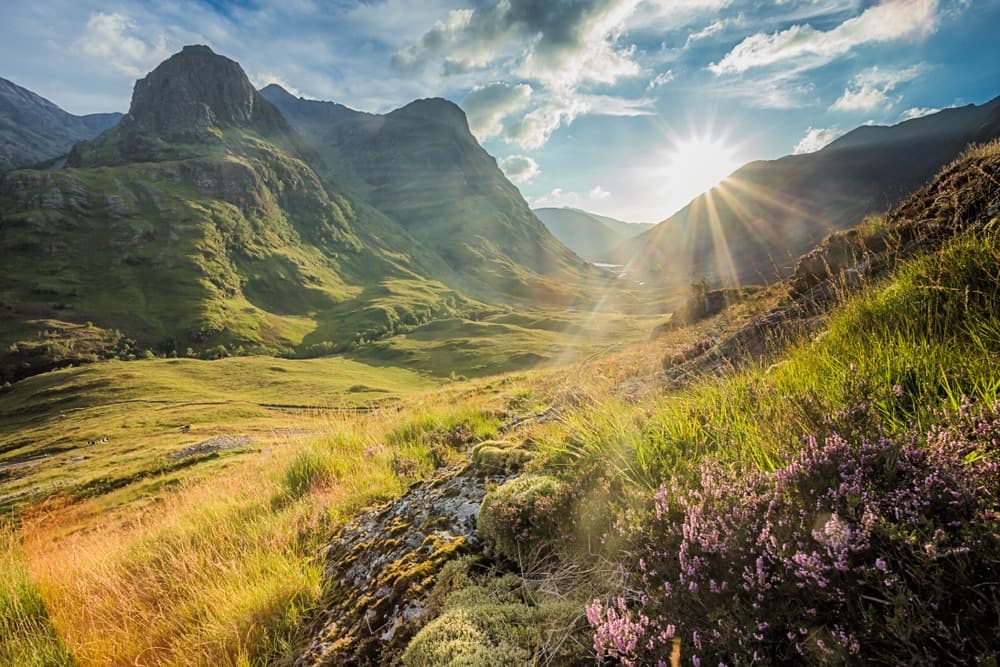
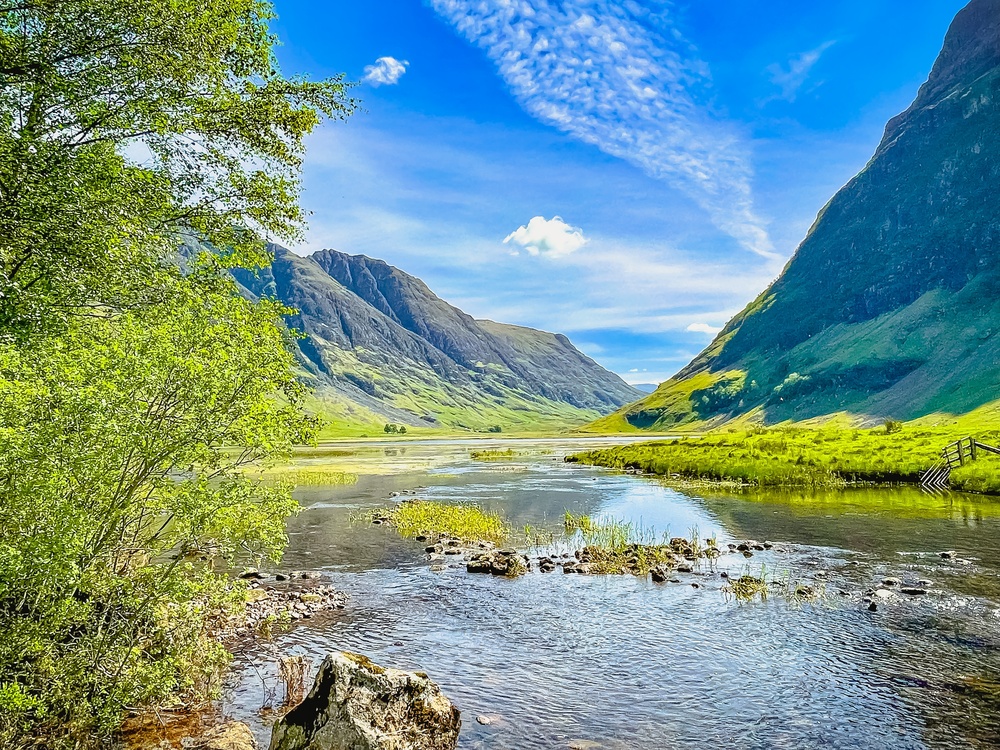
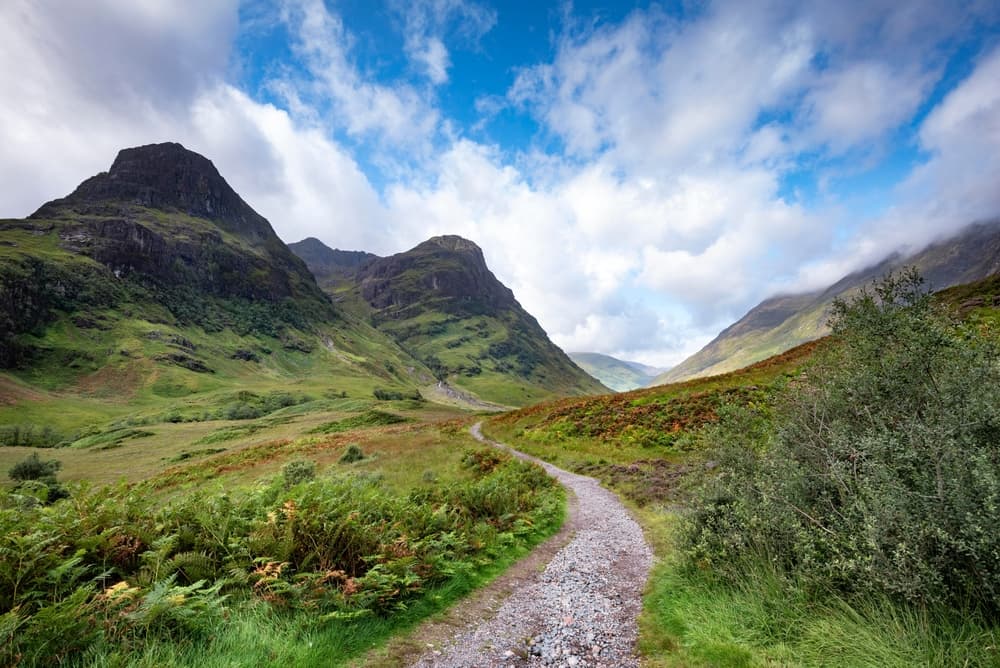
Glen Coe remains the most striking passage in the region. The glacial valley, steep-sided between the Three Sisters and Aonach Eagach, retains a dark atmosphere, heightened by the memory of the massacre of February 1692, when the MacDonalds were killed by the Campbells they had sheltered under their roof. The visitor centre run by the National Trust for Scotland, at Glencoe village, recounts this episode and the geology of the site, an ancient collapsed volcano. Further north, the Glenfinnan Viaduct, crossed by the Jacobite Steam Train between Fort William and Mallaig, marks the historic departure point of the Jacobite uprising of 1745 led by Charles Edward Stuart.
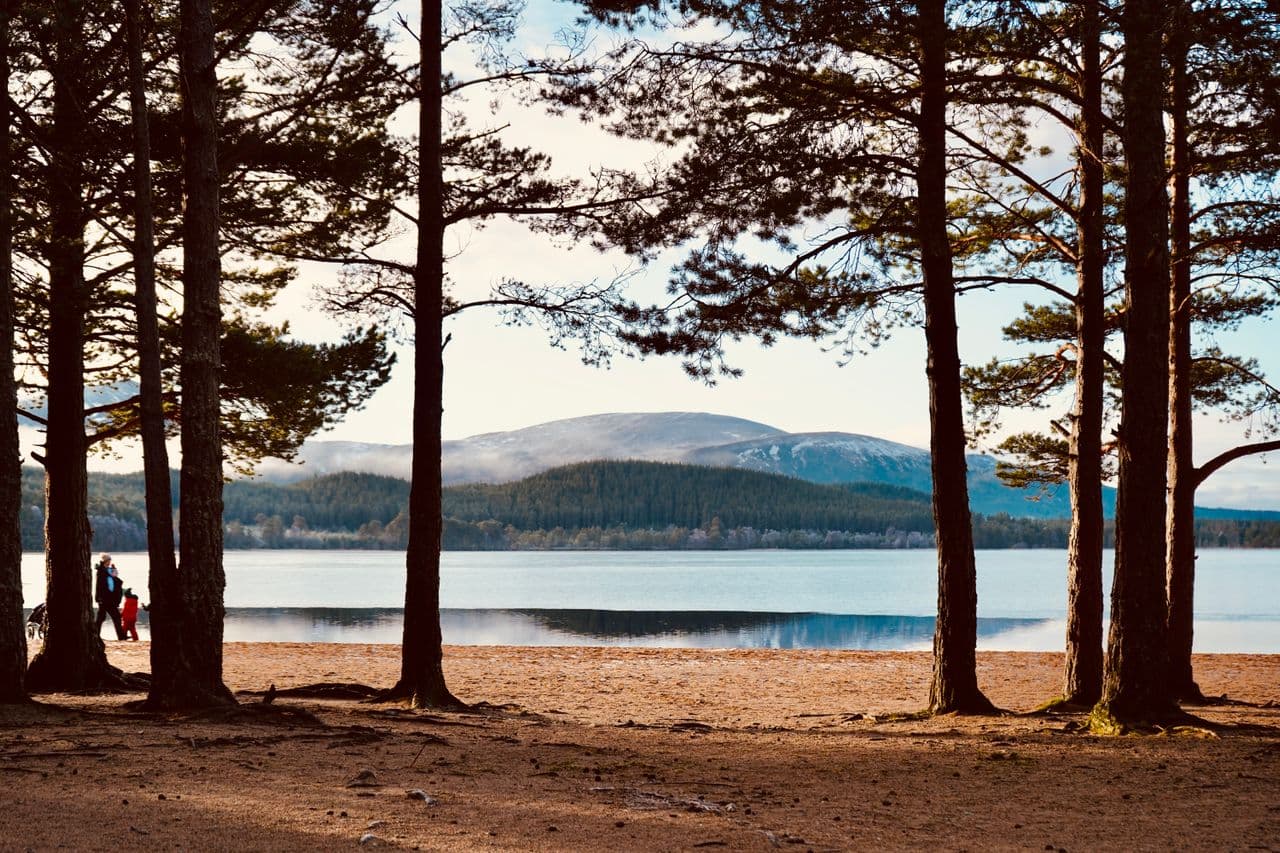
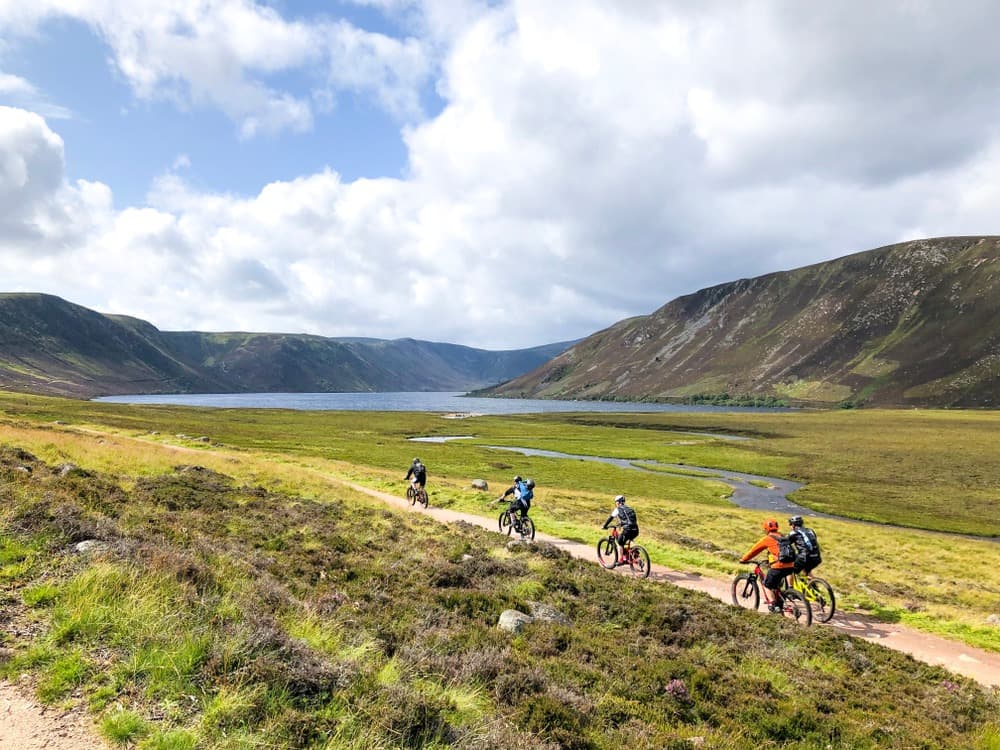
The Cairngorms National Park, established in 2003, is the largest in the United Kingdom with 4528 km². It is home to five of the six highest peaks in Scotland after Ben Nevis: Ben Macdui (1309 m), Braeriach, Cairn Toul, Cairn Gorm and Sgor an Lochain Uaine. The central plateau, swept by Arctic winds even in July, hosts a rare subarctic fauna in Western Europe: alpine ptarmigans, reindeer reintroduced in the 1950s, golden eagles. Around Aviemore, lochs Morlich and an Eilein offer accessible walks in under two hours, with sandy beaches and Caledonian Scots pine forests, remnants of the ancient boreal forest that once covered the region.
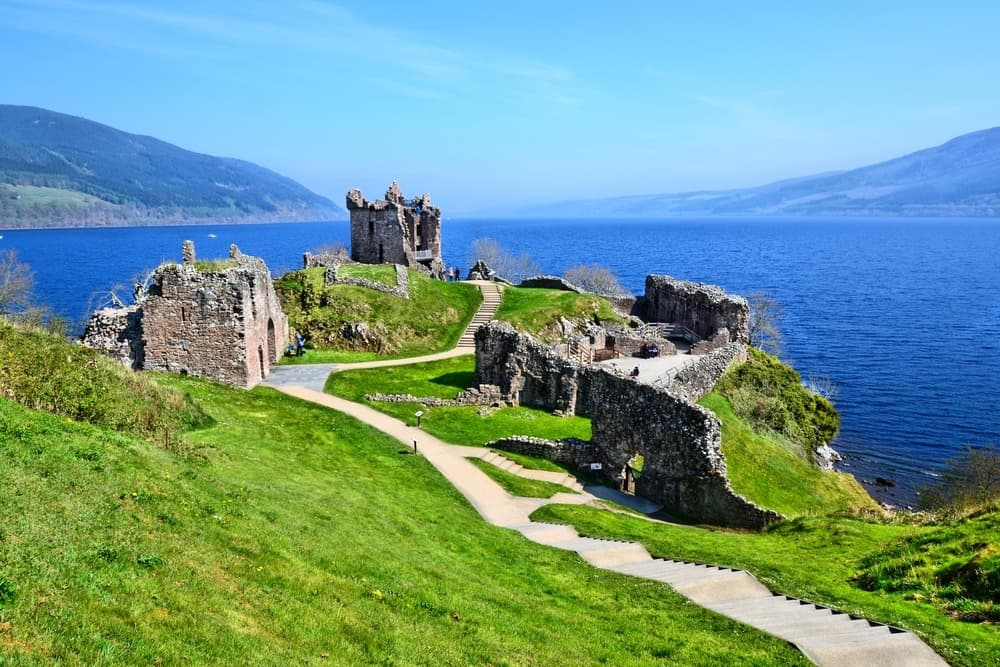
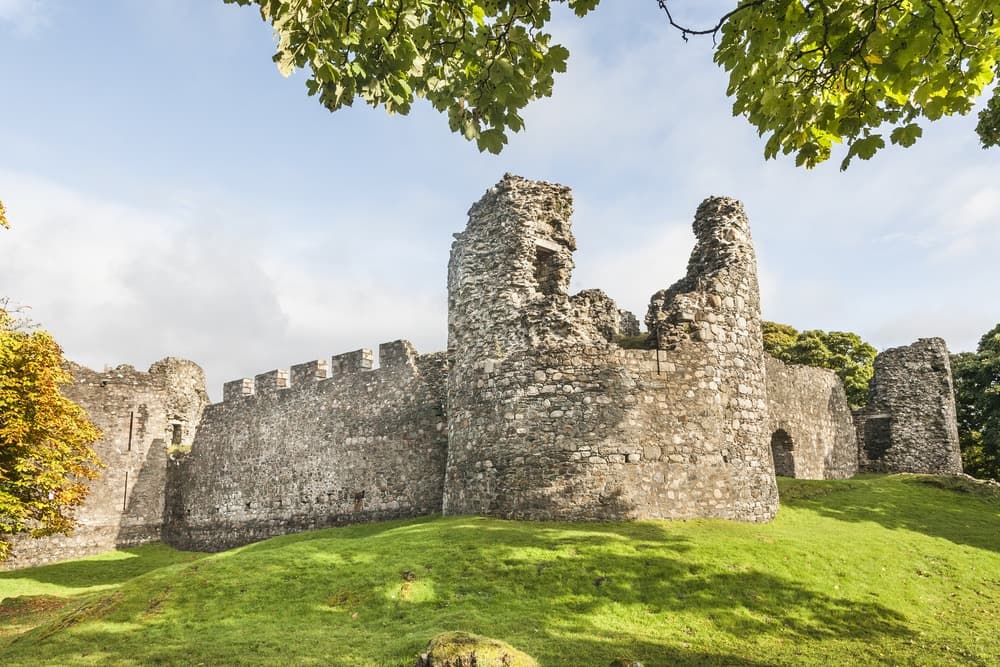
Loch Ness, stretching 37 km between Fort Augustus and Inverness, contains more fresh water than all the lakes of England and Wales combined. Beyond the folklore of Nessie, Urquhart Castle, ruins overlooking the western shore, bears witness to medieval struggles between clans and the English crown from the 13th to 17th centuries. Further afield, Glen Affric, an hour west of Inverness, offers ancient pine forests and far less frequented trails, which we recommend to walkers seeking to avoid groups.
On the cultural side, the region remains a stronghold of the Gaelic language, still spoken by around 1% of Highlands residents, and visible on all bilingual road signs. The Braemar Highland Games, traditionally honoured by the Royal Family in early September, perpetuate strength disciplines such as caber toss. On the culinary front, haggis (sheep's offal and oatmeal wrapped in stomach lining), smoked salmon from Inverawe and venison feature on local pub menus, often accompanied by a dram of Speyside whisky, from the neighbouring distilling region. Summer temperatures range between 14 and 18°C in July-August, with a marked presence of midges, those biting small flies highly active from June to late August near water sources at dusk.
To discover
Glen Coe and the massacre valley. Crossing the glacial valley bordered by the Three Sisters, with a stop at the Glencoe village visitor centre to understand the 1692 episode and the volcanic formation of the site.
Cairngorms plateau by funicular. Journey up to 1097 m on Cairn Gorm from Aviemore, access to the subarctic plateau, opportunity to observe alpine ptarmigans and free-roaming reindeer herds.
Jacobite Steam Train to Mallaig. Steam train from Fort William to Mallaig (2 hours, 67 km), crossing the Glenfinnan viaduct 30 m high on 21 arches, with views over Loch Shiel.
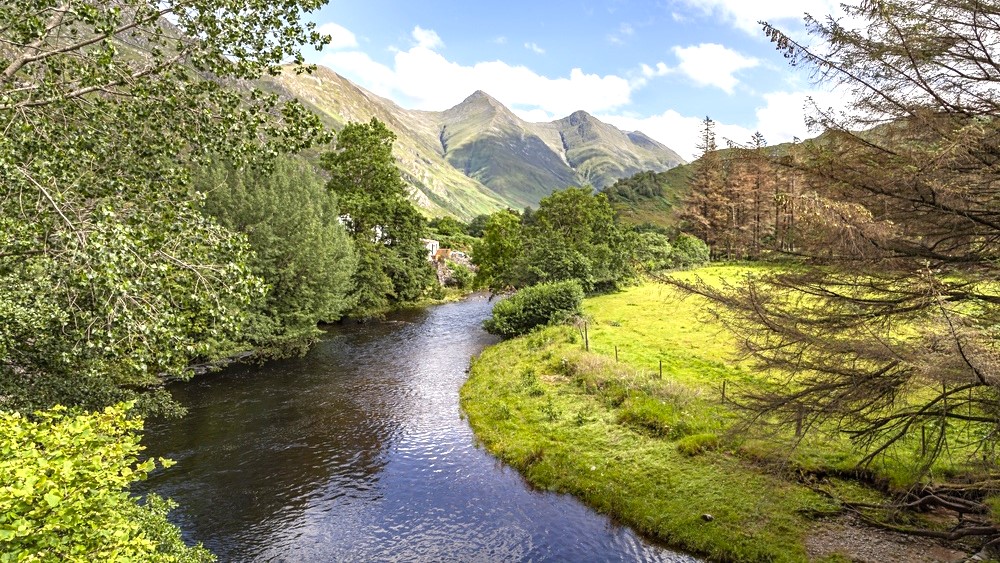
Walking in Glen Affric. 16 km loop around Loch Affric through ancient Caledonian pines, one of the last boreal forests in Western Europe, away from the tourist trail.
Urquhart Castle on Loch Ness. Medieval ruins set on a promontory of the western shore, strategic position between MacDonald clans and the Scottish crown from the 13th to 17th century.
When to go
Our team recommends visiting the Central Highlands from May to mid-June, then September. In May, temperatures range between 10 and 15°C, days reach 16 hours of daylight, and midges are not yet active. September offers autumn colours on the heather moorland, temperatures of 11 to 14°C and reduced crowds. July and August remain the most visited months, with 14 to 18°C and very long days, but midges become omnipresent at dusk near lochs and rivers, particularly at Glen Coe and around Fort William. Pack an insect repellent such as Smidge and possibly a head mosquito net for evening walks.
From November to March, the region enters a harsh season: 4 to 7°C in the lowlands, frequent snow on the Cairngorms above 600 m, short days (7 hours of daylight in December) and many passes closed after snowfall. This period suits skiers (Cairn Gorm Mountain and Glencoe Mountain stations) and those hunting for Northern Lights from the north of Loch Ness, but remains poorly suited to general exploration. Showers can fall year-round; expect 200 mm of rain in January against 75 mm in May on Fort William.
Practical advice
A 4 to 5-day loop is sufficient to combine Glen Coe, Loch Ness and the Cairngorms, departing and returning from Edinburgh or Glasgow, roughly 700 km in total. For a more leisurely exploration including full-day walks and the Ardnamurchan peninsula, allow 7 days. Inverness Airport offers direct access from London and Amsterdam and provides an alternative for those wishing to avoid the journey from the south. Car hire remains essential, as public transport only serves the main routes between Fort William, Aviemore and Inverness.
The region naturally combines with the Isle of Skye and the Hebrides to the west, accessible from Fort William in 2.5 hours via the Skye Bridge, and with the north-west coast for those continuing towards the NC500 from Inverness. A Cairngorms and Speyside combination works very well for whisky enthusiasts, with Glenlivet and Aberlour distilleries less than an hour from Aviemore. Accommodation ranges from family B&Bs to historic shooting lodge hotels. This region suits hikers, families with teenagers capable of walks of 3 to 6 hours, and contemplatives who accept changeable weather. Travellers seeking beaches and coastal villages will prefer Skye or the west coast.