Why Visit the Isle of Skye?
Wondering why visit the Isle of Skye? There are countless reasons! Breathtaking coastline, paradise beaches, wild nature, castles and ancient stones.
Wondering why visit the Isle of Skye? There are countless reasons! Breathtaking coastline, paradise beaches, wild nature, castles and ancient stones, whale watching : "the Isle of Mists" brings together all the specifics of Scottish lands within its territories…
Why Visit the Isle of Skye in Scotland?
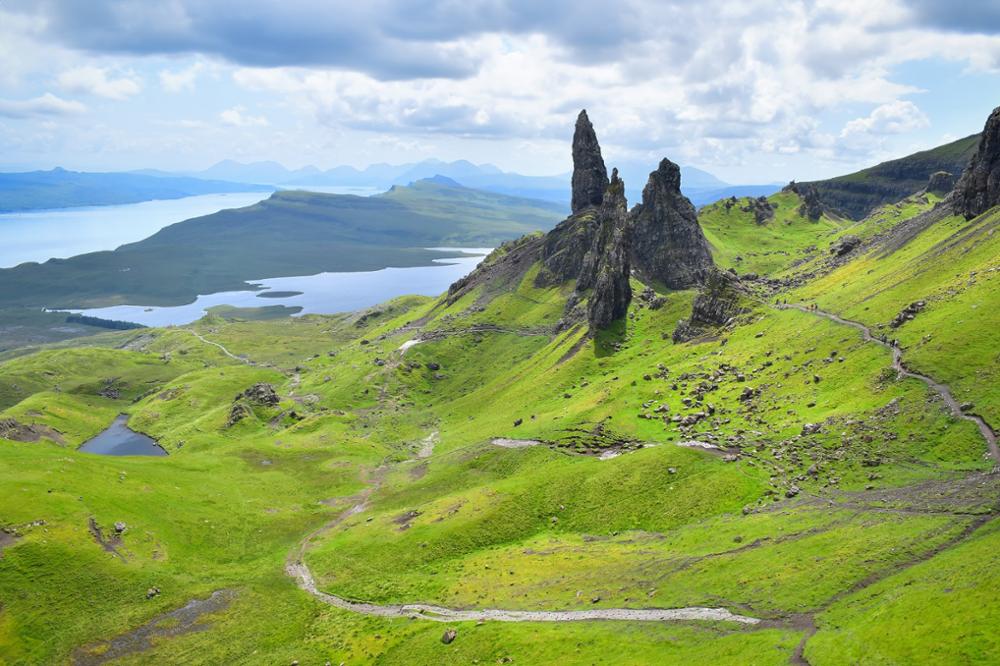
Located on the west coast of Scotland, within the Inner Hebrides archipelago, the Isle of Skye is an ideal destination if you're discovering the country for the first time. Why? The island is a concentrated essence of Scotland ! Spanning nearly 1,700 km², it offers a wonderful overview of all the richness of Scotland in just a few days.
Eclectic landscapes (cliffs, mountains, moorlands, lochs, waterfalls, beaches), rich cultural heritage (Gaelic essence, castles, ancient ruins), exceptional wildlife (whales, dolphins, otters, sheep fields, etc.): the Isle of Skye offers an immersion into the heart of Scottish culture, as well as numerous activities…
Good to Know If you only have 3 or 4 days of vacation to discover Scotland, the Isle of Skye is perfect for you! Hiking, historical visits, swimming, boat trips to see whales: the island offers numerous activities. Moreover, although quite remote, the Isle of Skye is easily accessible from the mainland. |
What to See and Do on the Isle of Skye?
Explore and Admire the Landscapes
Black Cuillin and Fairy Pools
On the southwest tip of the island, at Glenbrittle, you'll find Black Cuillin, a mountain range considered one of the most beautiful landscapes on the island! Recognizable by their black volcanic peaks, these mountains are also known for harbouring the Fairy Pools – stunning natural pools with crystal-clear waters and, for some, bordered by waterfalls. Swimming is permitted, but be aware that the water remains cold, even in summer (average 11°C).
The Quiraing
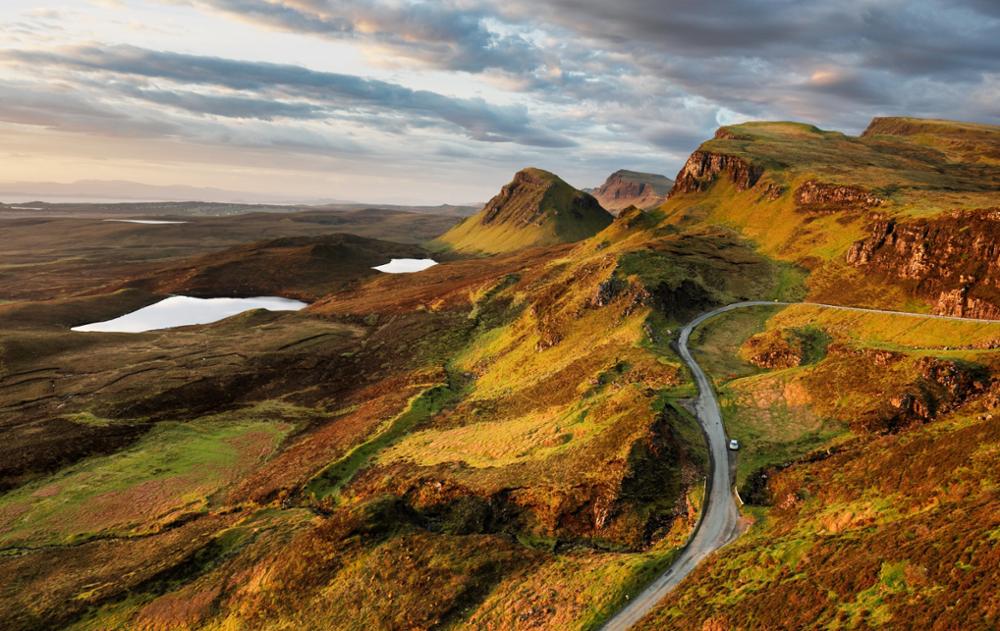
The Quiraing is a series of cliffs located in the Trotternish peninsula (in the north of the Isle of Skye). Highly popular with trekkers, this natural attraction offers exceptional panoramic views of the neighbouring islands…
Its must-do trek? The rocky plateau of Table Rock! After 3 or 4 hours of walking, you'll be rewarded with a breathtaking view over the peninsula, as well as stunning moss-covered lochs and mountain ranges…
Kilt Rock and Its Cliffs
Not far from Quiraing, further south on the island, you'll find the Kilt Rock cliffs. Formed by a landslide, these cliffs are renowned for their atypical geology and their magnificent Mealt Falls, a 55-metre-high waterfall that plunges directly into the sea.
The Beaches
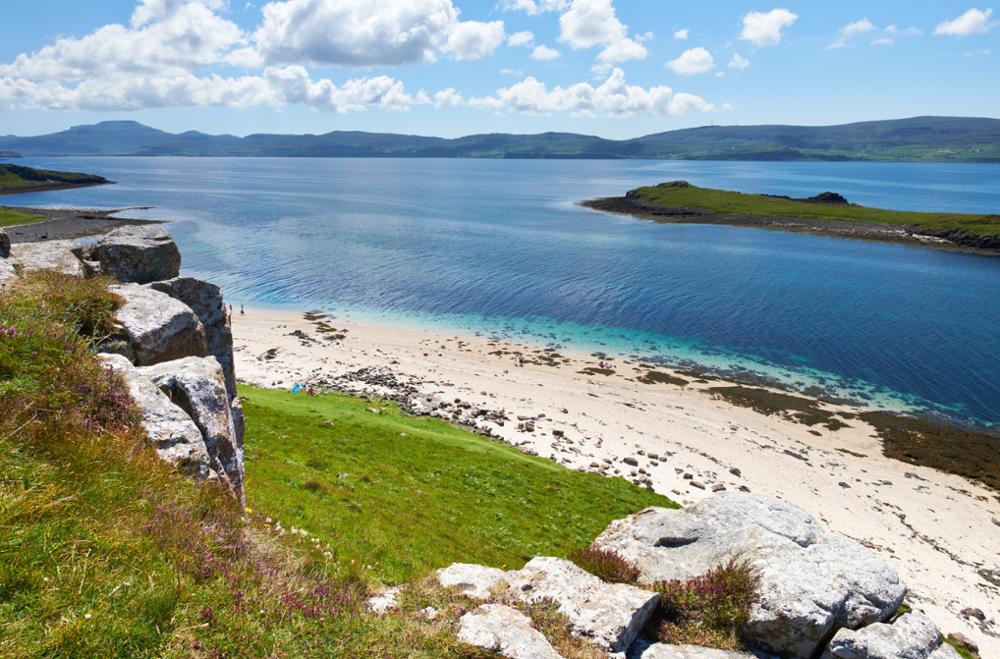
Carved by numerous bays and peninsulas, the Isle of Skye is home to paradise beaches along its coastline. Secret coves or popular beaches, the island offers the chance to swim.
Among its most beautiful beaches? Claigan Coral Beach (renowned for its seals), Sound of Sleat Beach (famous for its white sandbank and turquoise water) and Talisker Bay beach, prized for its black sand…
Discover Historical and Cultural Heritage
Dunvegan Castle
Located on the west coast of the island, Dunvegan Castle is a unique edifice that was built in six stages, between the 1300s and 1800s! Open to the public from April 1st to September 30th, the castle houses richly furnished interiors and offers panoramic views of the estate's gardens.
From the castle's pier, it's possible to board a boat to meet the seal colony of Loch Dunvegan, off the island's coast. No online reservations are possible; tickets for the excursion are only available at the ticket office on the day.
Eilean Donan Castle
Erected in the 13th century, Eilean Donan Castle is one of the most visited monuments in Scotland. Known for hosting the filming of the movie Highlander, the castle was long left abandoned, between 1719 and 1911. Today? The edifice offers a wonderful journey through time, thanks to its rich period furnishings.
The Ruins of Duntulm Castle
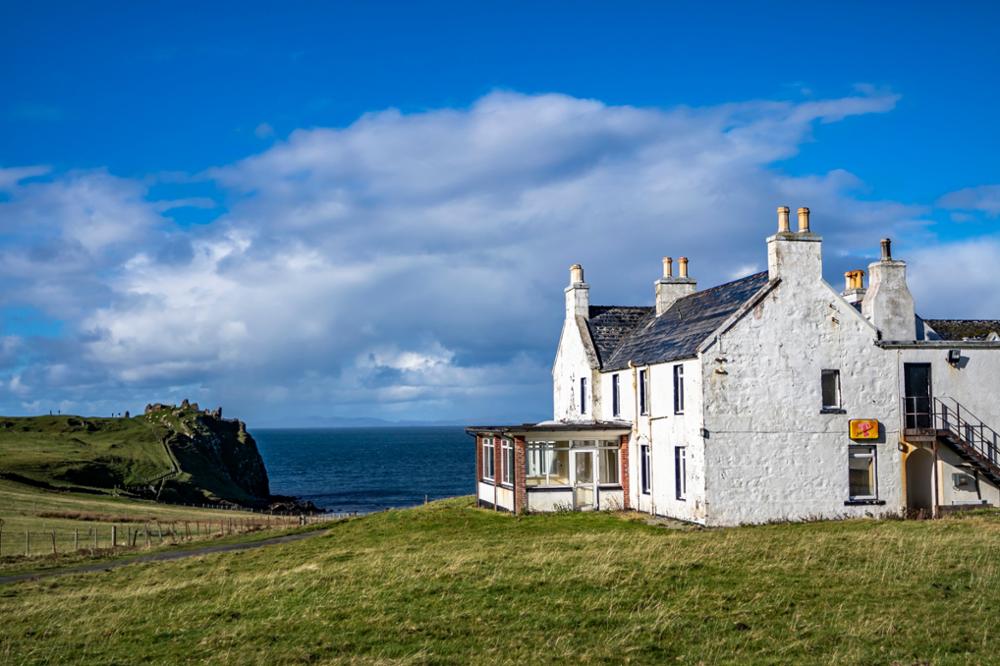
If you love ancient stones, don't miss the ruins of Duntulm Castle. Located in the north of the Trotternish peninsula, the castle is a must-see stop. An anecdote? The castle's stones were reportedly used to build another residence of its owner, Baron Alexander MacDonald.
Neist Point Lighthouse
The Neist Point lighthouse is located in the west of the island, approximately 5 km southwest of Milovaig. Commissioned in 1909, the lighthouse sits at the end of a narrow road, on the heights of a cliff.
Closed to the public (it's not possible to enter inside the building), the site where it stands offers wonderful panoramic views. It's considered a must-see spot for glimpsing whales and dolphins offshore…
The Village of Portree
Located in the county of Ross and Cromarty, Portree was once a small fishing village. Situated along the eponymous loch, it's now the largest town on Skye. It's renowned for its colourful houses that border the lake's shores, and is considered the gateway to the Isle of Skye.
Meet the Local Wildlife
Cetaceans
Scotland is renowned for whale watching. Off the Minch Strait (recognised for its high concentration of marine mammals), you'll have the chance to admire whales, orcas, dolphins and Hebridean porpoises.
The ideal period to observe them is the spring season, while cetaceans migrate from Arctic regions. Many operators offer boat trips.
Note that a boat trip doesn't guarantee seeing a specific species… Indeed, to protect the welfare of animals, expeditions are conducted based on the mammals present (without necessarily pursuing them to catch a glimpse).
Otters and Seals
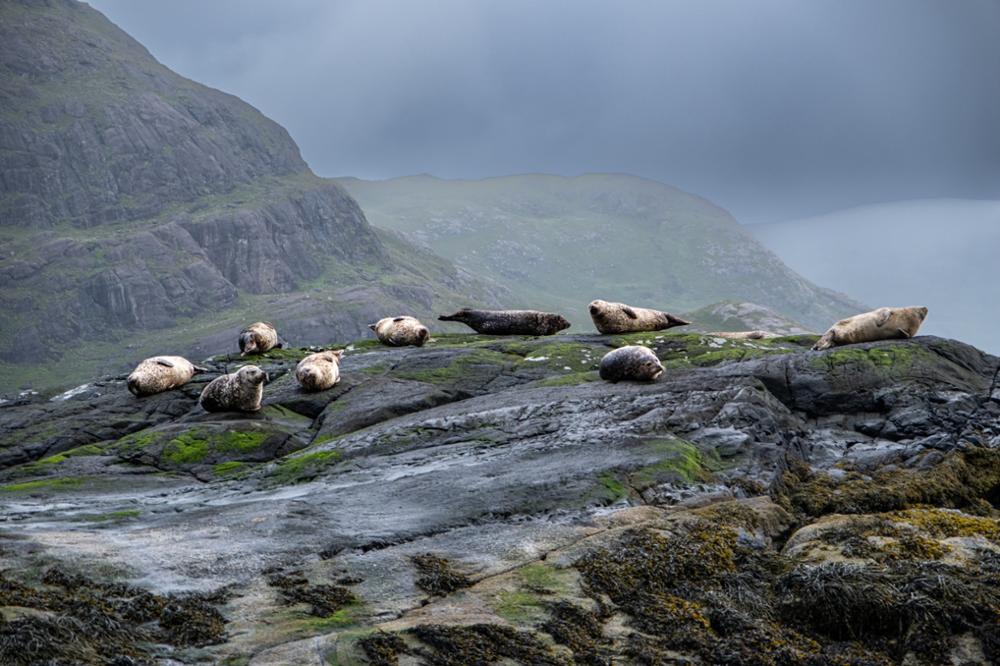
A stop on the Isle of Skye is also an opportunity to observe otters and seals. You'll surely encounter them during your trip.
How to Get to the Isle of Skye?
Among the Hebridean islands, the Isle of Skye is the easiest to reach from Edinburgh and Glasgow. To do so? It's possible to take the bus, car or train from one of these major cities.
By Ferry
From the town of Mallaig (in the Lochaber district), head to Armadale (a small village located on the Isle of Skye, in the Sleat peninsula). The ferry crossing is quite short, lasting only 30 minutes. Once on the island, it's very easy to reach Portree via the road (approximately two hours of travel).
By Car
Another option to reach the island is to drive directly there, using the Skye Bridge – the road bridge that connects it to the mainland. Plan for approximately 5 hours of driving from Edinburgh or Glasgow.
By Bus
There are no direct buses from Edinburgh and Glasgow to the island. However, it's possible to use this mode of transport from Portree.
By Train
The nearest railway station to the island is Kyle of Lochalsh, situated just before the Skye Bridge. It's possible to travel by rail from Edinburgh (with a stop in Inverness). The journey takes between 6 and 8 hours, depending on the train. This option is therefore not recommended for a short stay.
Good to Know Stunning, easily accessible from major cities and recognised as the showcase of Scotland: the Isle of Skye is a victim of its own success – and mass tourism. Result? Tourist complexes have significantly developed in recent years to accommodate visitors… To avoid the crowds? It's recommended to avoid the summer season of July-August and to prioritise, where possible, morning visits to sites. |
Frequently asked questions
A minimum of 3 to 4 days is recommended to discover the main sites of the Isle of Skye, such as the Fairy Pools, the Quiraing, the castles and the beaches. For a more complete experience including hiking and boat trips, plan for 5 to 7 days instead.
The ideal period is May-June or September-October. These months offer a good balance between favourable weather, long days and fewer crowds. Avoid July-August when tourist sites are very busy. Spring is also the best season to observe whales during their migration.
Yes, a car is strongly recommended to explore the Isle of Skye independently. Public transport is limited on the island and many emblematic sites (Neist Point, Fairy Pools, Quiraing) are only accessible by car. You can rent a vehicle in Portree or Inverness before hitting the road.
Yes, it's possible to reach the Isle of Skye by bus from Glasgow or Edinburgh (with connections) or by train to Kyle of Lochalsh, then by bus to Portree. On site, a few local bus lines serve the main villages, but access to remote natural sites remains difficult without a vehicle.
Yes, swimming is permitted in the Fairy Pools, these natural pools located at the foot of the Black Cuillin mountain range. Beware, however: the water remains very cold even in summer, with an average temperature of around 11°C. Consider a wetsuit if you're sensitive to cold.
The Minch Strait, off the Isle of Skye, is renowned for its high concentration of marine mammals. Neist Point lighthouse is an excellent observation spot from the coast. Local operators also offer boat trips to observe whales, orcas, dolphins and porpoises, particularly in spring during migrations.