Orkney Islands: Everything You Need to Know to Visit the Archipelago
Located 16 km off the coast of Caithness, in northern Écosse, Orkney Islands form an archipelago of 67 islets. More or less large and attractive, not all offer the same tourist interest.
Located 16 km off the coast of Caithness, in northern Écosse, Orkney Islands form an archipelago of 67 islets. More or less large and attractive, not all offer the same tourist interest: while some are exceptionally wild, others host emblematic sites (Neolithic ruins, castles, bird-watching spots or seal colonies, etc.). Here are the main Orkney Islands - and practical information to get there…
What are the main Orkney Islands?
Orkney Islands rank among the must-see stops in Écosse. To help you plan your itinerary, here's an overview of the main islands and attractions of Orkney Islands - from North to South.
Northern Orkney Islands
● North Ronaldsay: located at the far north of the archipelago, this island is known for its beaches populated with sheep and for being one of the most remote (2h40 from Kirkwall, the capital of Orkney Islands). Its emblematic site is the Broch of Burrian - a conical stone construction dating from the Iron Age.
● Papa Westray: known for hosting the famous Knap of Howa (a stunning Neolithic farm with sea views), this islet also houses St Boniface's Church - a church built in the 12th century.
● Westray: the "queen of the islands" is renowned for its numerous archaeological remains - including the Viking site Quoygrew settlement (between 900 and 1000 AD) and Noltland Castle (a beautiful 16th-century castle) - as well as for its bird reserve at Noup Head, where many birds breed between April and July.
● Rousay: this island is nicknamed "the Egypt of the North" due to its 160 archaeological and Neolithic sites that dot its landscape - including the Midhowe Broch fort. Blessed with stunning scenery, it is also popular with nature lovers and hikers.
● Stronsay: renowned for its Vat of Kirbister - a sublime natural rock arch formed between two cliffs, the island also houses the charming village of Whitehall and gorgeous wild bays (including St Catherine's Bay and Mill Bay).
● Sanday: known for its abundant wildlife and paradisiacal beaches, Sanday also features several archaeological and historical sites. Among them? Elsness Quoyness Chambered Tomb (a funerary monument dating from 2000 BC and extremely well preserved) and the wreck of the German destroyer B98 - sunk in the Bay of Lopness in 1919!
Southern Orkney Islands
● Mainland: this is the main island of the Orkney archipelago, where the tourist town of Kirkwall is located. While there? Don't miss Saint Magnus Cathedral and its old distilleries - Orkney Islands whisky is highly prized for its unique characteristics and quality.
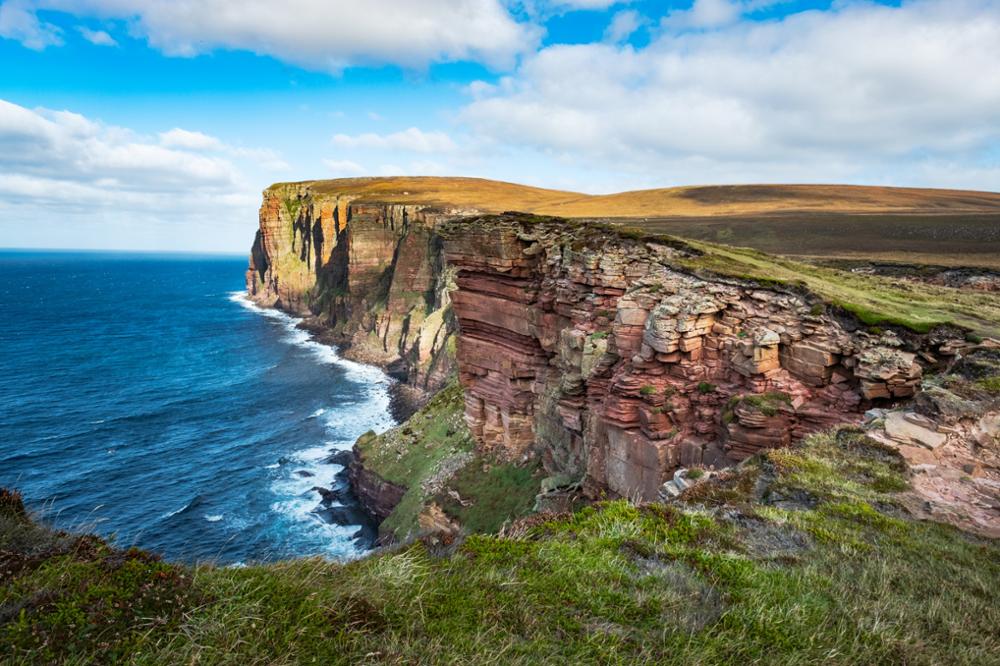
● Hoy: recognized as the most mountainous island of Orkney Islands, Hoy is also known for hosting the Old Man of Hoy, a stunning stone pillar (a stack) standing 137 meters high! The island is ideal for hiking.
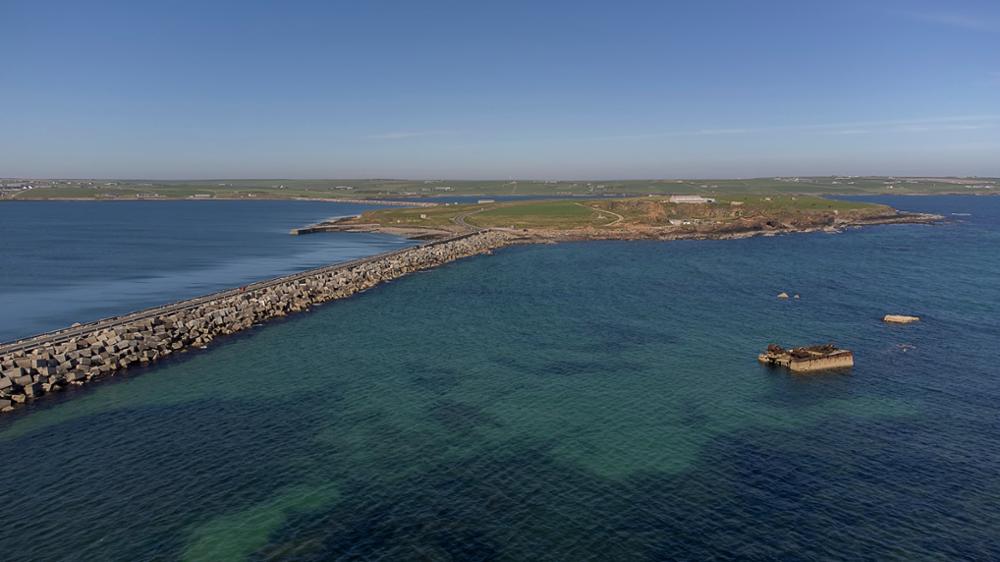
● South Ronaldsay: connected to Mainland by the Churchill Barriers (causeways built between 1940 and 1944), this island features eclectic landscapes - beaches, lochs, cliffs - and is known for its grey seal colonies. South Ronaldsay is also known worldwide for its famous diving site: Scapa Flow Bay.
What to see and do in Orkney Islands?
Here's a brief overview of what awaits you during a stop on the archipelago…
Explore the Neolithic heart of Orkney Islands
The three main archaeological sites of Orkney Islands are named "the Neolithic Heart of Orkney" by UNESCO World Heritage. This ensemble includes:
Skara Brae
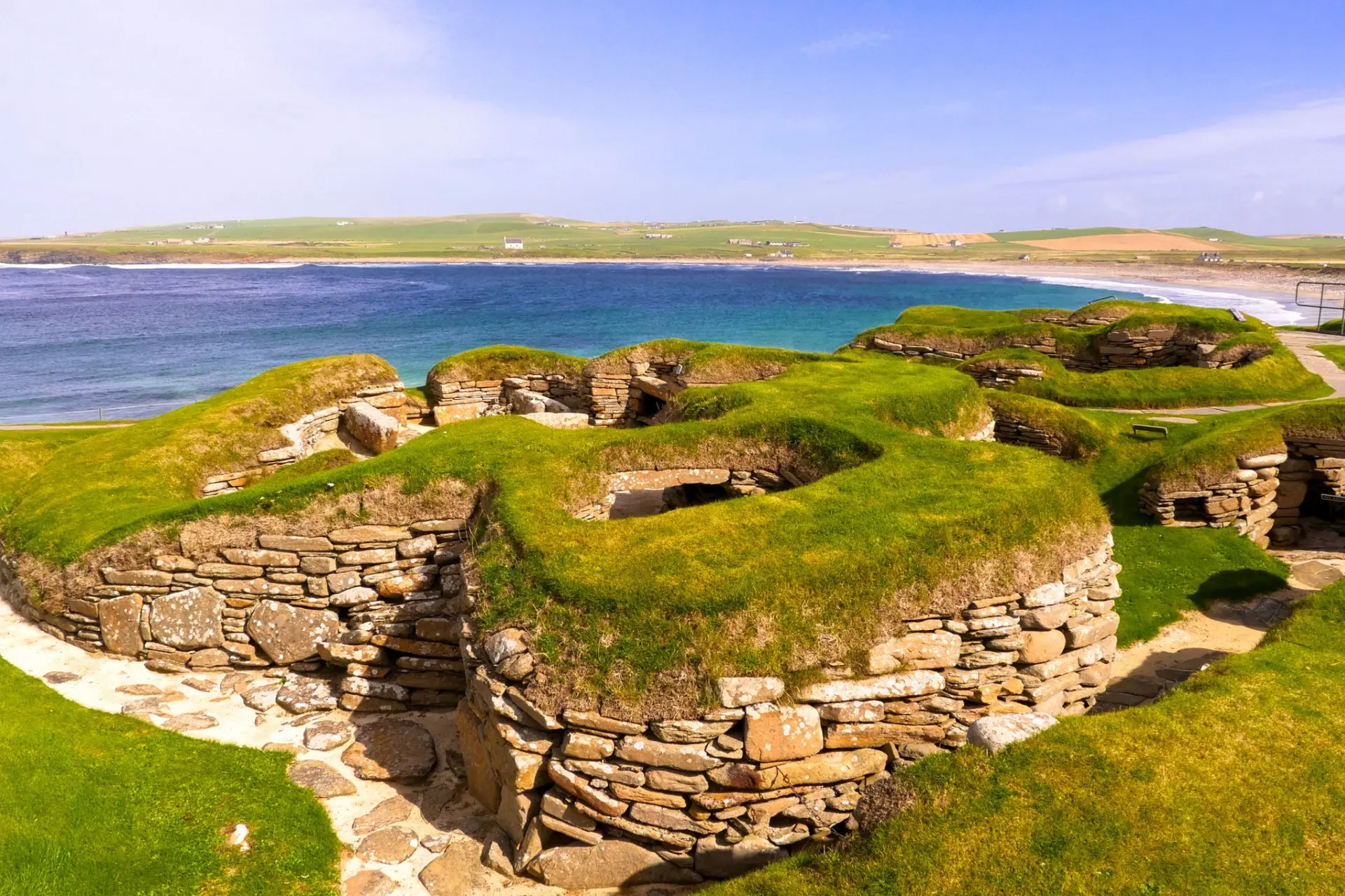
Comprising around ten houses dating from 3100 to 2500 BC, the village of Skara Brae ranks among Northern Europe's finest Neolithic remains. Located on the island of Mainland, it is renowned for its excellent state of preservation. It was discovered by chance in 1850, following a terrible storm that struck the island!
Ness of Brodgar
Located west of Orkney Islands' main island, the Ness of Brodgar site was only discovered in 2003! Composed of numerous structures (walls, niches, etc.), this place is a vast 2.5-hectare complex dating to around 3000 BC. Excavations have revealed various buildings, as well as traces of rituals and pottery pieces.
Stenness standing stones
Arranged in a circular mound (henge), the Stenness standing stones form a collection of standing stones - likely used for ceremonial or ritual purposes - that remains virtually intact from 5000 years before our era!
Observe nature and wildlife in Orkney Islands
See seals
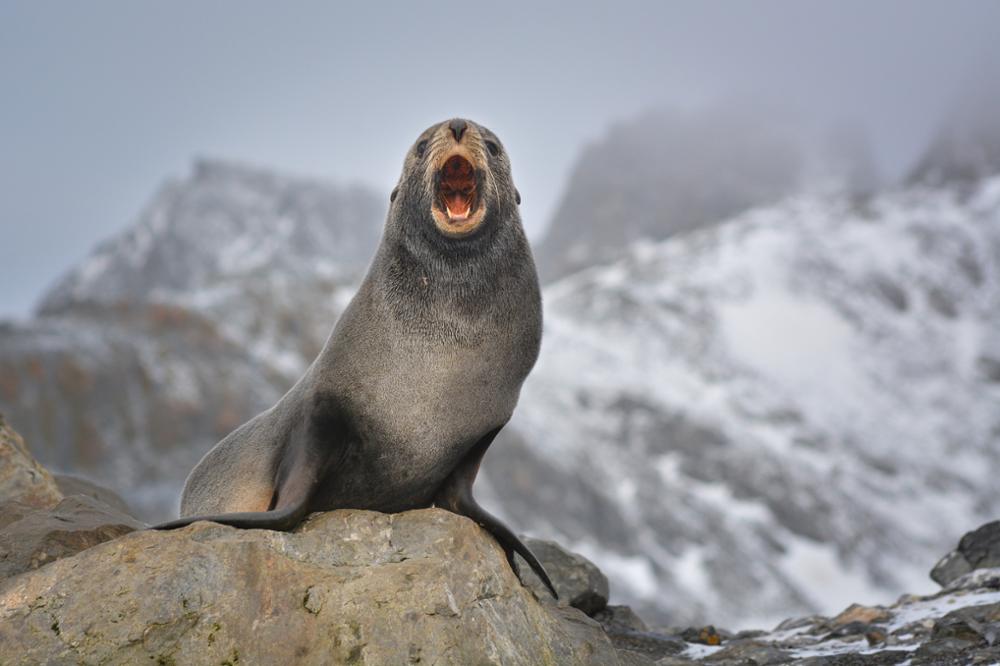
Écosse is home to approximately 25,000 seals on its territory. During a trip to Orkney Islands, you'll have the chance to observe harbour seals and grey seals along the coastline, including thousands of pups recognizable by their white fur. It's possible to spot them year-round and almost everywhere on the archipelago (particularly on the island of Rousay).
Bird watching
Orkney Islands are renowned for hosting thousands of birds, particularly in spring when migratory species make stops on the archipelago. Grebes, Guillemots, Puffins and Gannets are among the numerous species that nest along the cliffs. If you're an ornithology enthusiast, don't miss Trumland Nature Reserve (on the island of Rousay) or RSPB Scotland Marwick Head Nature Reserve (on Mainland)!
Go hiking
Due to their wild beauty, Orkney Islands offer numerous hiking possibilities and the chance to discover local fauna and flora. Among the unmissable trails? The Rackwick Bay path (Hoy) or the Yesnaby circuit (Mainland). Overall, all islands in the archipelago offer breathtaking landscapes and wild expanses to explore.
Marvel at the northern lights
The northern lights are a spectacular display offered by nature. This luminous phenomenon, which occurs in the night sky of the Northern Hemisphere, colors the sky with green rays! They typically occur between 10 PM and 3 AM in several locations on the archipelago, including Birsay's coastline, Kirbister lake, or the summit of Wideford Hill (all three located on the island of Mainland)
Go scuba diving in Scapa Flow Bay
Orkney Islands are also renowned for their postcard-perfect beaches where water temperature remains cold in summer (around 15°C)! If you can't spend hours swimming there, explore the stunning seabeds of the islands and Scapa Flow…
This emblematic Orkney diving spot preserves shipwrecks, sunk to the seabed of the North Sea since World War I and World War II - when the bay held a strategic role.
Boat departures dedicated to Scapa Flow diving excursions depart from Stromness harbor (on the island of Mainland). Once there, you can explore, among others, the wrecks of SMS Cöln and Dresden (two ships from the German fleet that have rested on the seabed since 1919). Budget approximately 250 €/diver, equipment included.
When to dive in Orkney Islands? The scuba diving season at Orkney Islands runs from May to early November - when water temperatures and weather conditions are most favorable. |
Visit the towns of Kirkwall and Stromness
Kirkwall and Stromness rank among the largest towns in the archipelago. Both located on the island of Mainland, they deserve a lingering visit during an excursion to Orkney Islands…
The Kirkwall Distillery
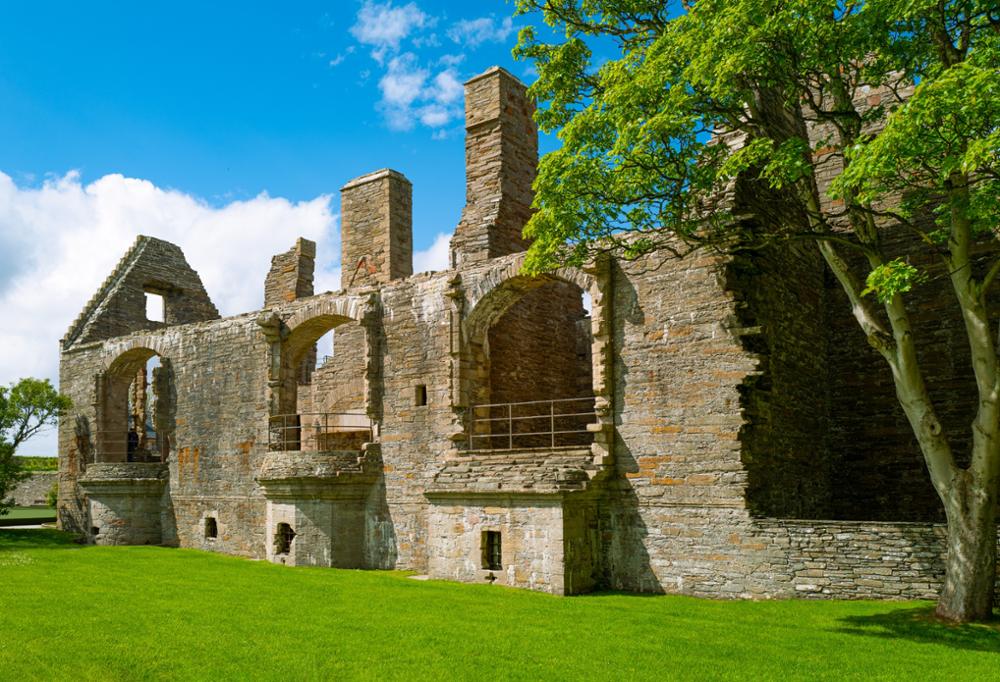
Beyond its archaeological sites and historical heritage, the capital of Orkney Islands is also renowned for its famous distillery called Highland Park. Founded in 1798, the establishment still operates today and is the only one to possess a traditional malting floor - meaning production carried out according to ancestral know-how.
More than a simple whisky tasting, a visit to this distillery lets you learn more about the island and its traditions! For connoisseurs, a second tour allows you to taste the distillery's premium whiskies.
The picturesque charm of Stromness
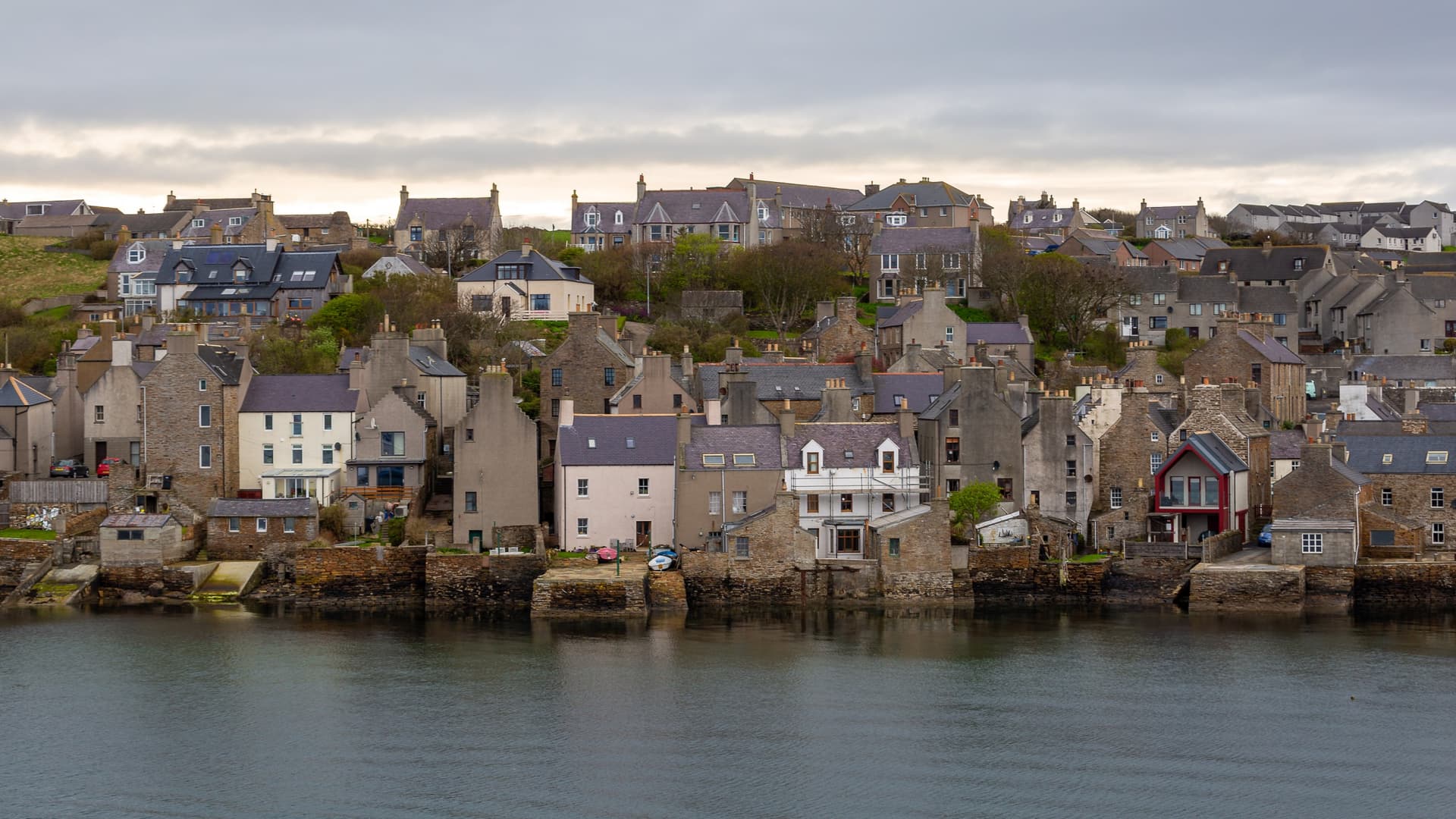
Located on the west coast of the Orkney capital, the town of Stromness is a charming coastal city renowned for its stone houses located right by the sea. The town was once a refuge for sailors, who made stops there during their sea voyages.
A tip? Don't leave without visiting the Stromness Museum (which reveals the town's history) or the Pier Arts Centre - an art gallery opened since 1979, which highlights celebrated British artists and organizes temporary exhibitions (in partnership with the Plus Tate network, dedicated to visual arts).
When to go? Orkney Islands can be visited year-round. The best time depends on the type of excursions and activities you're planning. ● If you wish to visit archaeological sites: summer is rather recommended, to enjoy pleasant weather (it's also the least rainy period). ● If you wish to observe the northern lights: schedule your trip between autumn and winter, when nights are long and very dark. |
How to get to Orkney Islands?
There are 2 ways to reach Orkney Islands.
1. By plane
Orkney Islands is accessible by plane from several major cities in Écosse and the United Kingdom - such as Inverness, Glasgow, Aberdeen or Edinburgh. Regardless of the departure city, flights land at Kirkwall Airport (KOI) and have daily frequency.
2. By ferry
It's also possible to reach the archipelago by boat. There are three ferries:
● From Scrabster to Stromness, via NorthLink Ferries: multiple departures daily (more or less depending on the season). 2h00 crossing. £19.45 (single fare)*.
● From Aberdeen to Kirkwall, via NorthLink Ferries: two departures per week. 6h00 crossing. £23.95 (single fare)*.
● From Gill's Bay (Caithness) to Kirkwall, via Pentland Ferries: multiple departures daily. 1h crossing. £20 (single fare)*.
(*) April 2024 prices.
How to get around Orkney Islands?
Rent a bike or take the bus
Bicycle rental is very common on Orkney Islands. It's possible to rent one in Kirkwall and Stromness, as well as on other islands in the archipelago, like Stronsay or North Ronaldsay.
The islands are equipped with good bus networks, which allow for easy travel. The archipelago also has 4 Churchill Barriers, which connect certain islands to each other:
● Churchill Barrier 1: Mainland to Lamb Holm,
● Churchill Barrier 2: Lamb Holm to Glimps Holm,
● Churchill Barrier 3: Glimps Holm to Burray,
● Churchill Barrier 4: Burray to South Ronaldsay.
Rent a car
Once you land on Orkney Islands, it's recommended to rent a car to be completely free in your movements.
To do so, the driver must have a valid license for at least 12 months - rental companies will ask for the license, as well as your passport and a credit card number.
Driving in Écosse Please note that the driver must be at least 21 years old and, under 25 years old, rental companies often charge additional fees... For a safe and hassle-free road trip on the archipelago, always remember to keep to the left side of the road! However, in a roundabout, always give way to vehicles coming from the right. |
FAQ - All Your Questions
Orkney Islands are accessible by plane (from major cities in Écosse or the United Kingdom), as well as by ferry (crossings departing from Scrabster, Aberdeen, and Gill's Bay, heading to Stromness or Kirkwall).
Orkney Islands can be visited by rental car, bus or bike. All three modes of transport are available on the archipelago and allow you to get around easily. Some islands are connected to each other by Churchill Barriers.
Audrey DENJEAN
SEO web writer, Audrey Denjean uses her writing to serve English-speaking travelers. Through her blog articles, she explores what makes a country's soul - its emblematic sites, its cuisine, its traditions, its history... Her goal? To convey more than just tourist information, but to describe an atmosphere, share anecdotes that make each country different and inspire, after each reading, a desire to explore the world.
Frequently asked questions
For a first visit, it's recommended to plan at least 4 to 5 days to explore the main island of Mainland and its surroundings. To discover secondary islands like Hoy, Westray or Rousay, plan rather 7 to 10 days. This timeframe will allow you to visit Neolithic sites, go hiking and enjoy the archipelago's wild landscapes.
Yes, citizens of the European Union can travel to the United Kingdom (of which Orkney Islands are part) without a visa for tourist stays of up to 6 months. A valid passport is required (ID cards are no longer accepted since Brexit). It's advisable to check entry conditions with British authorities before your departure.
The best time depends on your preferences: summer (June-August) is ideal for visiting archaeological sites, observing birds and enjoying long days (very short nights). Autumn and winter (October-February) are the best seasons to see the northern lights. The diving season at Scapa Flow runs from May to early November.
Orkney Islands' secondary islands are accessible from Kirkwall by ferry or plane. Orkney Ferries provides regular connections to most inhabited islands (Hoy, Westray, Rousay, Stronsay, Sanday, etc.). Loganair also offers flights from Kirkwall Airport to certain islands such as Papa Westray and North Ronaldsay. Frequencies vary depending on the season.
Car rental is highly recommended on the main island of Mainland to freely explore archaeological sites, beaches and the towns of Kirkwall and Stromness. On secondary islands, the bus network and bike rental are viable alternatives. Remember that driving is on the left in the United Kingdom. The driver must be at least 21 years old and hold a valid license for at least 12 months.
Orkney Islands are renowned for their fresh seafood (lobster, crab, scallops, salmon) as well as locally-raised Aberdeen Angus beef. Orkney artisanal cheese is also highly appreciated. Finally, the Highland Park distillery in Kirkwall, founded in 1798, produces a single malt whisky of great renown, considered one of Écosse's finest.